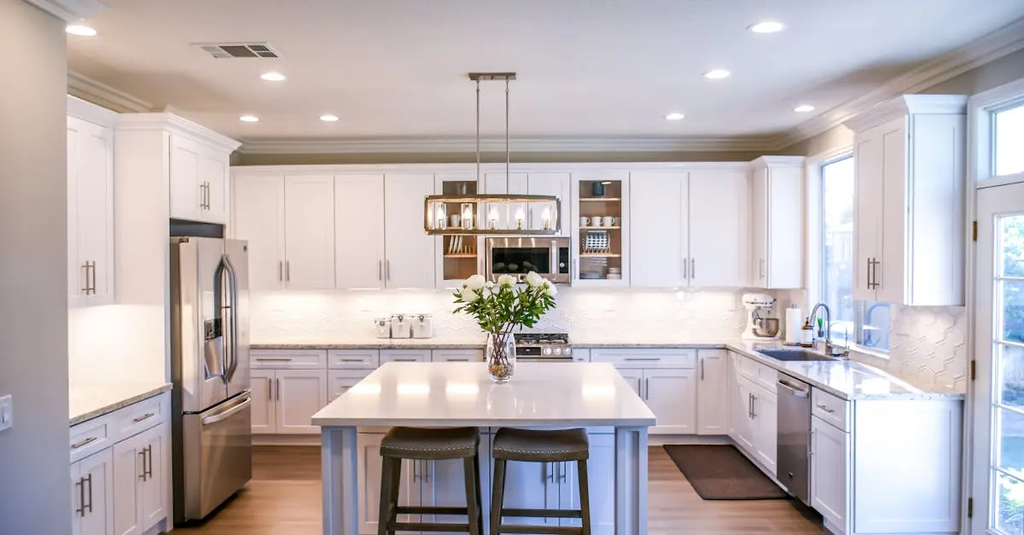
Color basics for interiors refer to the fundamental principles of using color within indoor spaces to create mood, harmony, and visual interest. This involves understanding the color wheel, primary, secondary, and tertiary colors, as well as concepts like warm and cool tones. Proper color selection can influence how a room feels—making it appear larger, cozier, or more vibrant—while also reflecting personal style and enhancing overall design cohesion.
Color Basics for Interiors
Color basics for interiors refer to the fundamental principles of using color within indoor spaces to create mood, harmony, and visual interest. This involves understanding the color wheel, primary, secondary, and tertiary colors, as well as concepts like warm and cool tones. Proper color selection can influence how a room feels—making it appear larger, cozier, or more vibrant—while also reflecting personal style and enhancing overall design cohesion.
💡 Key Takeaways
- Identify color wheel basics and how primary, secondary, and tertiary colors form interior palettes.
- Understand warm vs cool tones and how they affect mood, lighting, and space perception.
- Explore common color schemes (monochromatic, analogous, complementary) and when to use them.
- Apply practical tips for selecting colors that create harmony and visual interest considering lighting and room size.
❓ Frequently Asked Questions
What is the color wheel and why is it useful in interior design?
The color wheel shows color relationships (primary, secondary, tertiary) and helps you pick harmonious schemes like complementary, analogous, or triadic.
What are warm and cool tones, and how do they influence a room's mood?
Warm tones (reds, oranges, yellows) feel cozy and energetic; cool tones (blues, greens, purples) feel calm and spacious.
How can you build a cohesive color scheme for a space?
Choose a base color for walls, then add 1–2 accent colors from the color wheel. Repeat colors in different amounts to create balance.
What role do neutrals play in color planning?
Neutrals like white, gray, and beige balance bold colors and help connect patterns and textures.
How does lighting affect color choices?
Lighting changes color perception; daylight shows true color, while warm or cool bulbs shift tones. Test colors in the actual space.