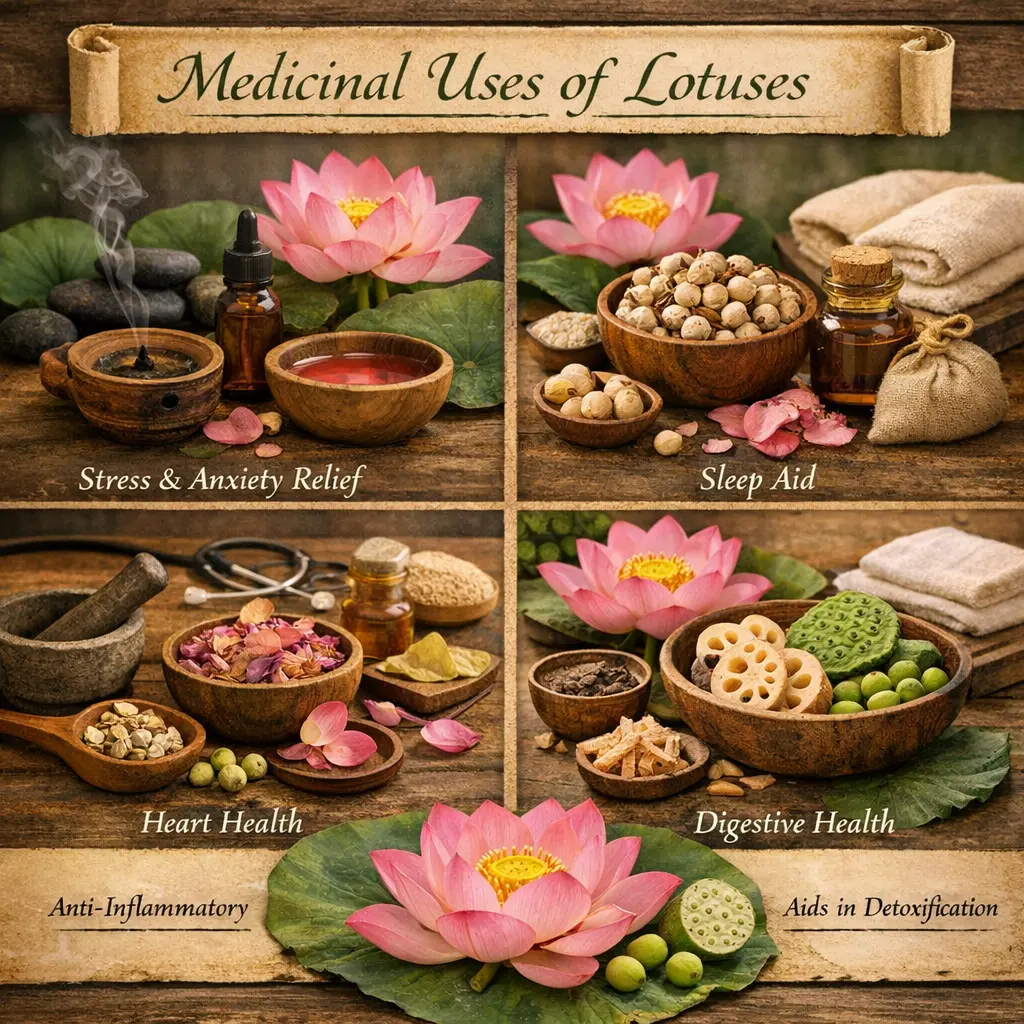
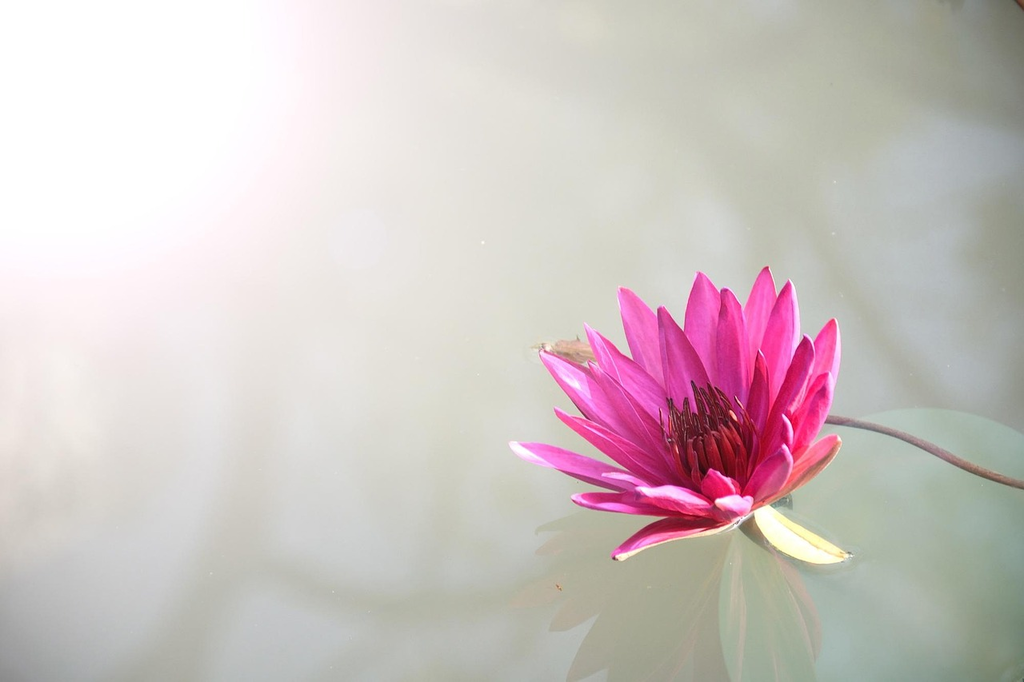
Lotuses are widely admired for their beauty and symbolism, often featured in religious ceremonies, art, and literature. Common uses include ornamental displays in ponds and gardens, as motifs in paintings and textiles, and in traditional medicine for their purported health benefits. Like roses, lotus blooms are used in floral arrangements and offerings, representing purity, enlightenment, and rebirth in various cultures, especially in Asian traditions and spiritual practices.
Common Uses of Lotuses+50
Lotuses are widely admired for their beauty and symbolism, often featured in religious ceremonies, art, and literature. Common uses include ornamental displays in ponds and gardens, as motifs in paintings and textiles, and in traditional medicine for their purported health benefits. Like roses, lotus blooms are used in floral arrangements and offerings, representing purity, enlightenment, and rebirth in various cultures, especially in Asian traditions and spiritual practices.
💡 Key Takeaways
- Learn how lotus rhizomes (lotus roots) are prepared and eaten in different cuisines.
- Explore how lotus seeds are used in desserts, soups, and snacks.
- Understand how lotus leaves are used in cooking, such as wrappers or to impart aroma.
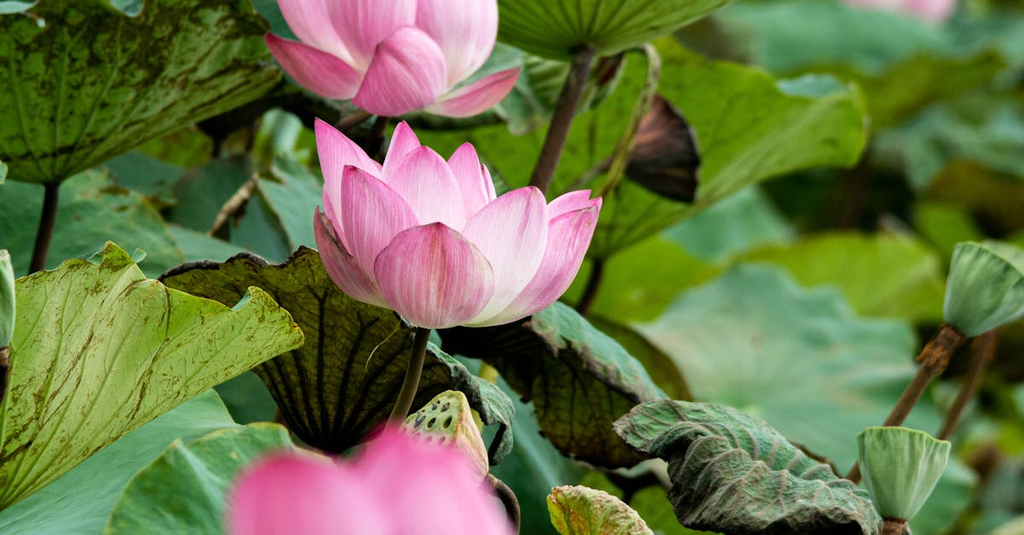
- Discover non-culinary roles of lotus plants, including ornamental value and traditional medicinal or cultural uses.
❓ Frequently Asked Questions
What parts of the lotus plant are commonly eaten or used in food?
Edible parts include lotus root (rhizomes), lotus seeds, and, in some cases, petals and leaves for flavoring, wrapping, or tea.
How is lotus root typically prepared in cooking?
Lotus root is cleaned, sliced, and either boiled, stir-fried, pickled, or added to soups and hot pots for a crisp texture.
What are lotus seeds used for in cuisine and traditional medicine?
Lotus seeds (lian zi) are used in soups, porridges, and desserts; dried seeds are common in traditional medicine for digestive health and calming effects.
How are lotus leaves or petals used in cooking?
Lotus leaves are used to wrap foods for steaming or grilling to impart aroma, while petals can be used in teas or salads.
Are there non-food uses of lotus plants?
Yes, the lotus is culturally significant and used in religious symbolism, as well as in ornaments, crafts, and decorative displays; leaves and seeds may also be used in rituals or crafts.