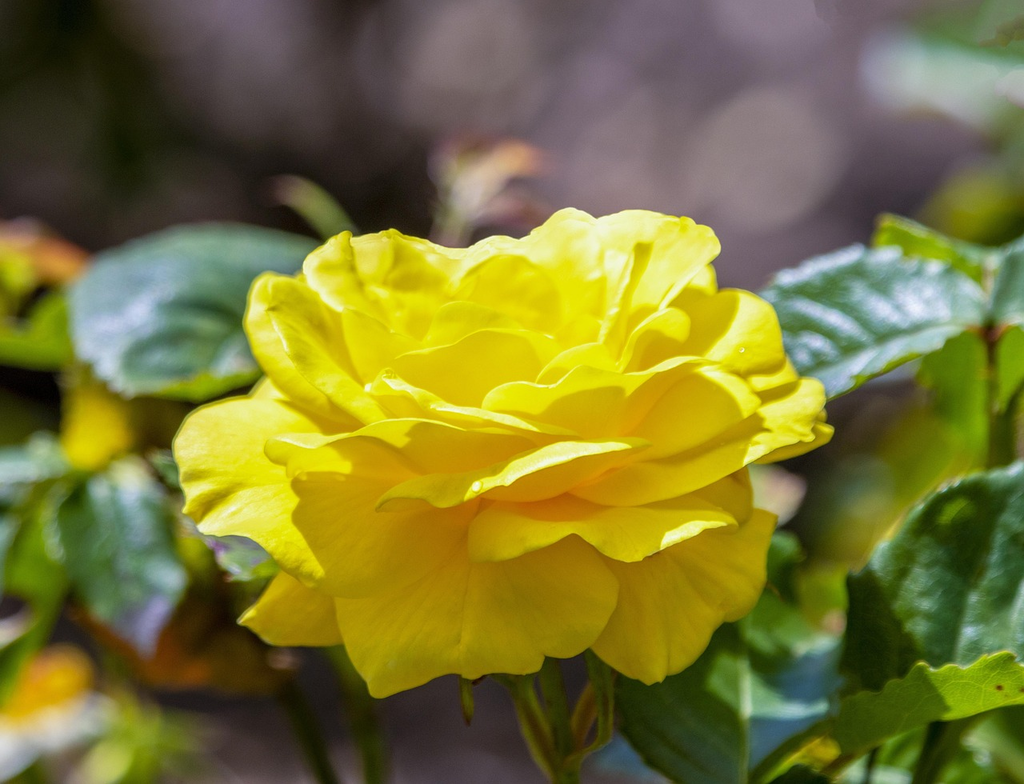
Roses, renowned for their beauty and fragrance, are commonly used in decorative arrangements, perfumes, and cosmetics. They symbolize love and affection, making them popular in bouquets for special occasions. Rose petals are also used in culinary dishes, teas, and traditional medicines. Alongside lotuses, roses hold cultural and religious significance, often featured in rituals, ceremonies, and art, representing purity, devotion, and spiritual enlightenment in various traditions.
Common Uses of Roses+50
Roses, renowned for their beauty and fragrance, are commonly used in decorative arrangements, perfumes, and cosmetics. They symbolize love and affection, making them popular in bouquets for special occasions. Rose petals are also used in culinary dishes, teas, and traditional medicines. Alongside lotuses, roses hold cultural and religious significance, often featured in rituals, ceremonies, and art, representing purity, devotion, and spiritual enlightenment in various traditions.
💡 Key Takeaways
- Identify common culinary and non-culinary uses of roses (petals, rose water, hips).
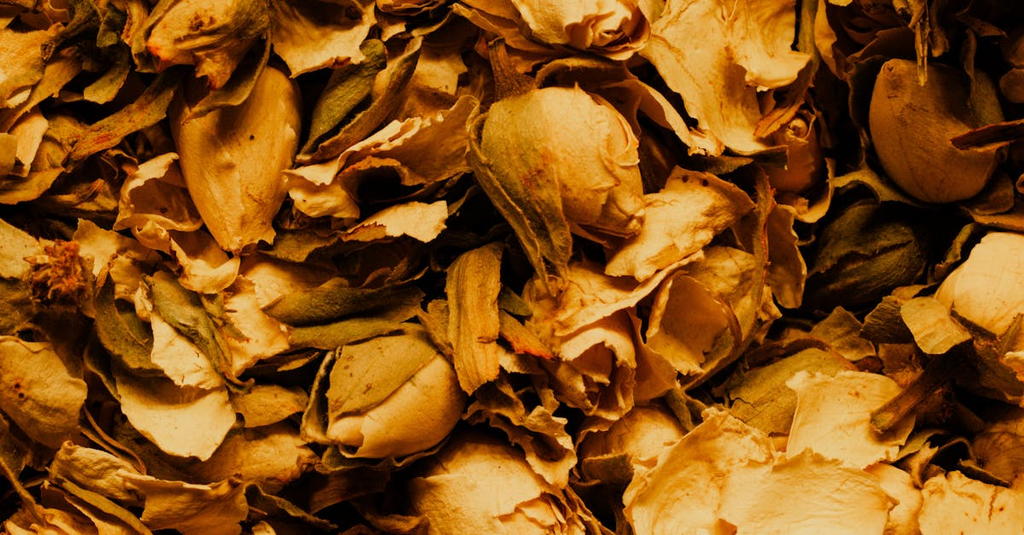
- Differentiate rose petals from rose hips and describe their typical uses in foods, cosmetics, and beverages.
- Learn essential safety tips for using roses in recipes (choose edible varieties, wash thoroughly, avoid pesticides).
- Explore simple rose-based ideas such as making rose water, rose tea, or rose petal garnishes.
❓ Frequently Asked Questions
What are common culinary uses for roses?
Rose petals (from pesticide-free roses) are edible and can garnish desserts or salads; rose water adds fragrance to desserts and drinks; rose petal jam and rose tea are popular preparations.
How are roses used in cosmetics and fragrances?
Rose essential oil or rose water is used in perfumes, skincare, and bath products for fragrance and potential soothing properties; rose hydrosol is a gentler alternative in toners and sprays.
What are rose hips and their uses?
Rose hips are the fruit of some roses, high in vitamin C; they’re used to make teas, jams, syrups, and dietary supplements.
Are there safety tips for using roses?
Use only edible, pesticide-free roses for cooking or consuming; wash petals thoroughly; avoid treated or unknown cultivars, and be mindful of any allergies to pollen or fragrances.