Community-Led Co-creation Models are collaborative approaches where community members actively participate in designing, developing, and implementing solutions or projects that affect them. These models prioritize local knowledge, needs, and values, ensuring that outcomes are relevant and sustainable. By fostering shared ownership and decision-making, community-led co-creation empowers individuals, strengthens social bonds, and increases the effectiveness and acceptance of initiatives within the community.
Community-Led Co-creation Models
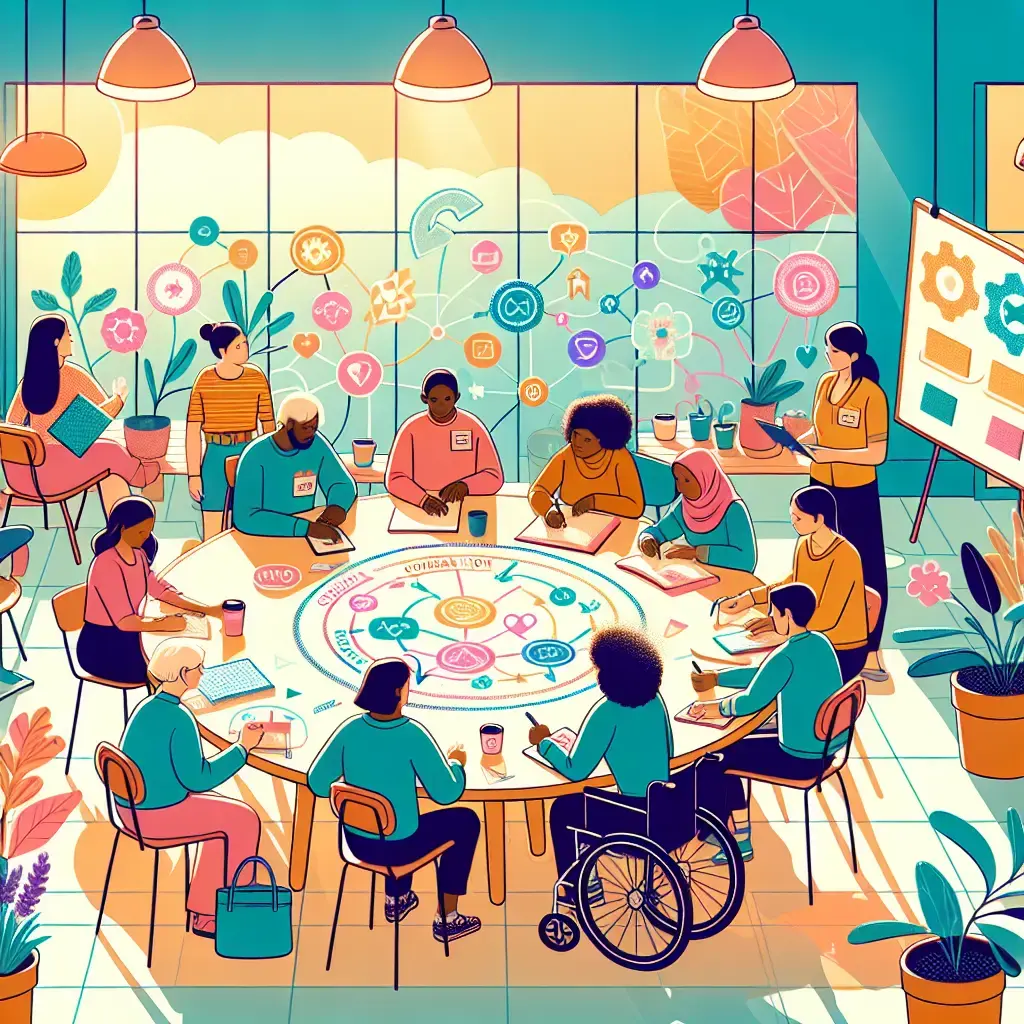
Community-Led Co-creation Models are collaborative approaches where community members actively participate in designing, developing, and implementing solutions or projects that affect them. These models prioritize local knowledge, needs, and values, ensuring that outcomes are relevant and sustainable. By fostering shared ownership and decision-making, community-led co-creation empowers individuals, strengthens social bonds, and increases the effectiveness and acceptance of initiatives within the community.
💡 Key Takeaways
- Grasp the core principles of community-led co-creation in festivals.
- Learn methods to incorporate local knowledge, traditions, and values into festival design.
- Explore inclusive participation and shared decision-making in co-created events.
- Understand how co-creation enhances relevance, ownership, and sustainability of festival outcomes.
- Review global case studies to identify best practices and common challenges in community-led co-creation.
❓ Frequently Asked Questions
What is a community-led co-creation model?
A collaborative approach in which community members actively participate in designing, developing, and implementing projects that affect them, using local knowledge, needs, and values to guide decisions and outcomes.
How is this model applied to festivals and celebrations worldwide?
Stakeholders—community members, organizers, and local groups—co-design festival elements (themes, activities, spaces, governance), gather input, share decision-making, and implement plans under local leadership to reflect culture and needs.
What are the main benefits for festivals and communities?
Greater relevance and inclusivity, stronger ownership, better cultural representation, more sustainable resource use, capacity building, and improved resilience.
What common challenges can arise, and how can they be addressed?
Challenges include power dynamics, tokenism, limited resources, and conflicting interests. Address with transparent processes, clear roles, inclusive facilitation, ongoing feedback, and capacity-building efforts.
What principles help ensure effective outcomes?
Inclusive participation, transparency, shared decision-making, respect for local knowledge, equity, capacity building, and a focus on sustainability and long-term impact.