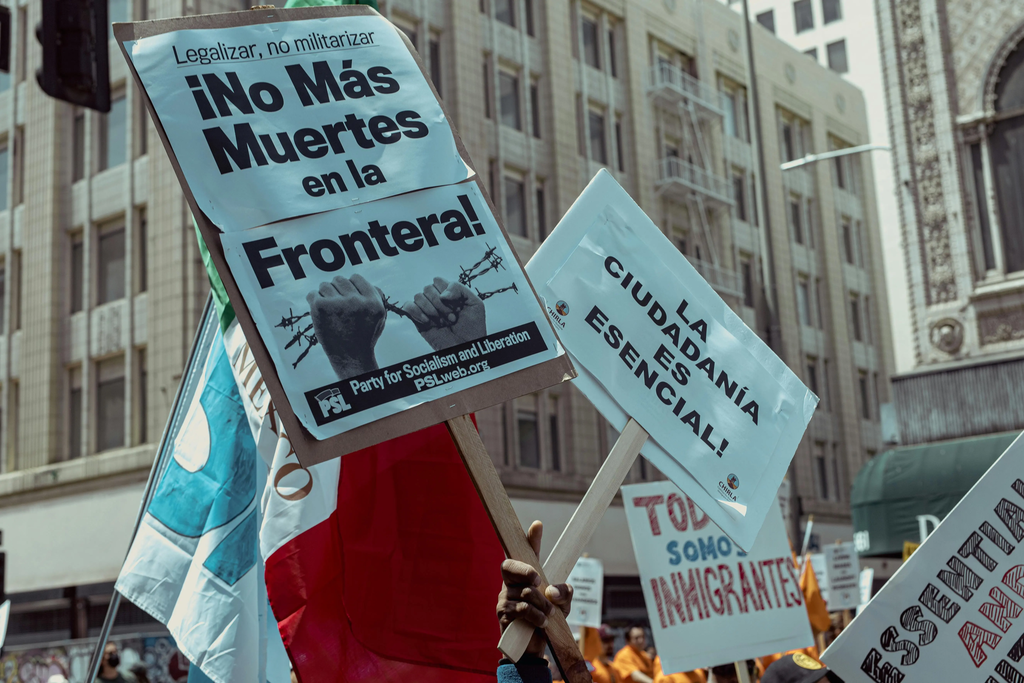
Comparative case studies of elections involve analyzing and contrasting multiple electoral processes across different countries, regions, or time periods. This approach helps identify patterns, differences, and similarities in electoral systems, voter behavior, campaign strategies, and outcomes. By examining diverse cases, researchers can better understand the factors influencing election results, the effectiveness of various electoral reforms, and the broader implications for democracy and governance in varying political and cultural contexts.
Comparative Case Studies of Elections
Comparative case studies of elections involve analyzing and contrasting multiple electoral processes across different countries, regions, or time periods. This approach helps identify patterns, differences, and similarities in electoral systems, voter behavior, campaign strategies, and outcomes. By examining diverse cases, researchers can better understand the factors influencing election results, the effectiveness of various electoral reforms, and the broader implications for democracy and governance in varying political and cultural contexts.
💡 Key Takeaways
- Understand how different electoral systems (proportional, majoritarian, mixed) shape representation, party systems, and election outcomes.
- Compare voter behavior, turnout, and participation across countries and time periods using consistent indicators.
- Analyze how campaign strategies and messaging adapt to local institutions, media environments, and political cultures.
- Identify patterns, differences, and similarities in results to draw cross-case insights and assess governance implications.
❓ Frequently Asked Questions
What is a comparative case study of elections?
A research approach that analyzes two or more elections—across countries, regions, or time periods—to identify similarities, differences, and factors that influence how elections are conducted and decided.
Why compare elections across different places or times?
To reveal patterns, test how different electoral rules shape outcomes, understand political behavior, and learn practices that lead to fairer, more effective elections.
What aspects are typically compared in electoral studies?
Electoral systems (rules, districting), voter behavior (turnout, party preferences), campaign strategies (messaging, spending), and election results (seat shares, winners, representation).
What methods are commonly used in comparative election research?
Case selection and cross-case analysis, combined with qualitative methods (interviews, archival data) and quantitative methods (survey data, election statistics), often using process tracing.