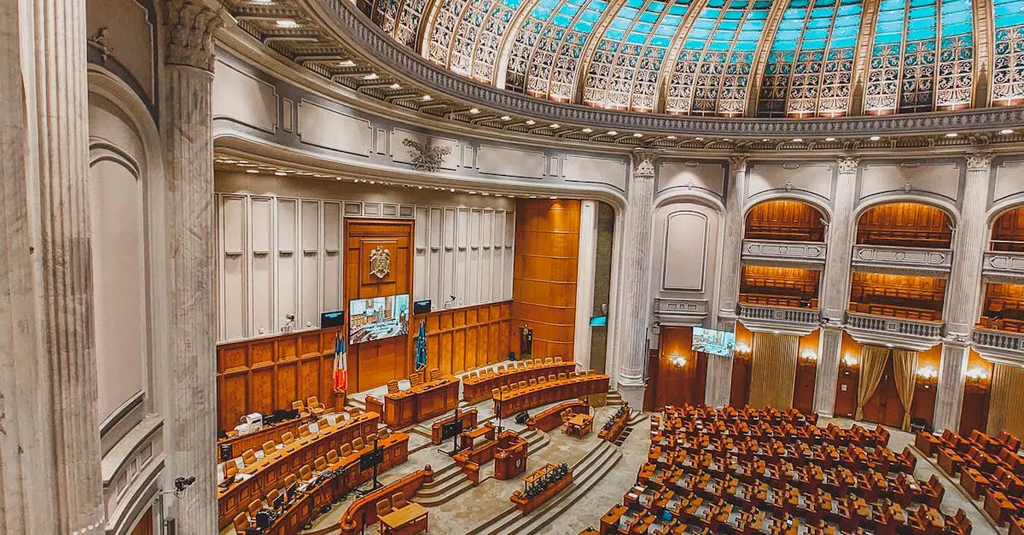
Comparative Political Systems refers to the academic study and analysis of different political structures, institutions, and processes across various countries. It involves comparing governments, political cultures, public policies, and power dynamics to understand similarities and differences. This field helps scholars identify patterns, evaluate the effectiveness of political systems, and assess how historical, social, and economic contexts shape governance. Ultimately, it provides insights into the functioning and evolution of political systems worldwide.
Comparative Political Systems
Comparative Political Systems refers to the academic study and analysis of different political structures, institutions, and processes across various countries. It involves comparing governments, political cultures, public policies, and power dynamics to understand similarities and differences. This field helps scholars identify patterns, evaluate the effectiveness of political systems, and assess how historical, social, and economic contexts shape governance. Ultimately, it provides insights into the functioning and evolution of political systems worldwide.
💡 Key Takeaways
- Compare how different governments and institutions function across countries.
- Explore how political cultures and citizen participation shape policy and power dynamics.
- Analyze how public policies vary across systems and what drives policy choices.
- Learn methods for cross-national political analysis, including case comparisons and indicators.
❓ Frequently Asked Questions
What is comparative political systems?
The academic study of how political structures, institutions, and processes differ across countries, and how these differences affect power, governance, and policy.
What are the main aspects compared in this field?
Government form (parliamentary vs. presidential), regime type (democracy vs. authoritarian), political institutions, public policy, and political culture.
How do scholars compare countries?
They use case studies, cross-country statistics, and qualitative analysis to identify patterns, similarities, and differences in governance and outcomes.
Why is studying comparative political systems useful?
It helps explain why governments differ in stability, legitimacy, and policy results, and how context shapes political behavior.