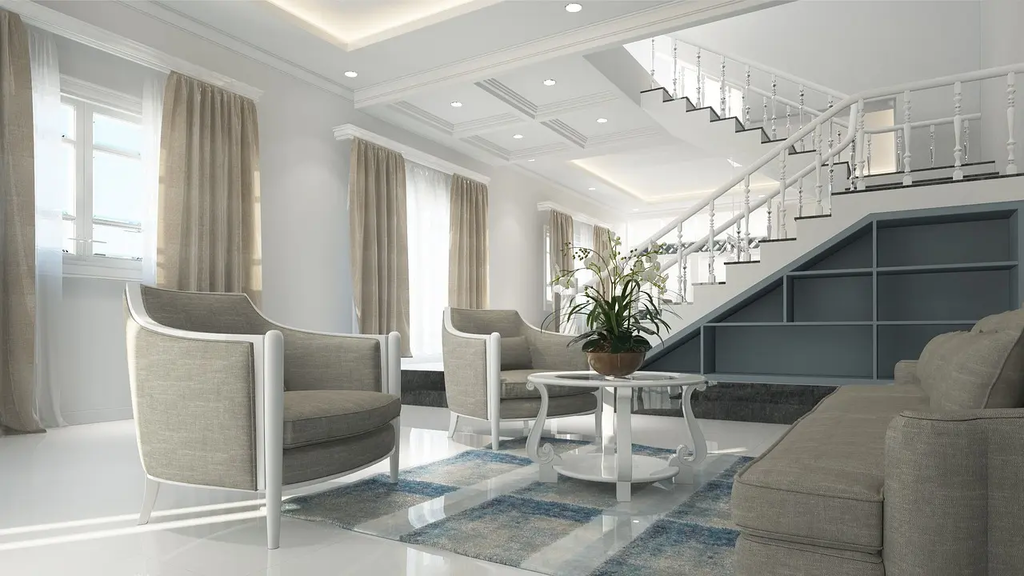
Composition and perspective are fundamental concepts in visual arts and design. Composition refers to the arrangement of visual elements within an artwork, guiding the viewer’s eye and creating balance, harmony, or tension. Perspective involves techniques used to depict three-dimensional space on a two-dimensional surface, adding depth and realism. Mastery of both skills allows artists and designers to create engaging, dynamic, and visually effective works that communicate their intended message.
Composition & Perspective+50
Composition and perspective are fundamental concepts in visual arts and design. Composition refers to the arrangement of visual elements within an artwork, guiding the viewer’s eye and creating balance, harmony, or tension. Perspective involves techniques used to depict three-dimensional space on a two-dimensional surface, adding depth and realism. Mastery of both skills allows artists and designers to create engaging, dynamic, and visually effective works that communicate their intended message.

💡 Key Takeaways
- Grasp key composition elements (balance, emphasis, contrast) to guide viewer attention.
- Understand perspective basics (vanishing point, horizon, depth cues) to convey space and depth.
- Apply practical techniques (rule of thirds, leading lines, varied viewpoints) to improve photos or drawings.
- Practice quick critiques to identify and fix weak composition and perspective for stronger storytelling.
❓ Frequently Asked Questions
What is composition in art and photography?
The arrangement of visual elements within a frame to guide the viewer’s eye and create balance, emphasis, and rhythm.
What does perspective refer to in visual work?
Perspective describes how depth and spatial relationships are depicted, using cues like lines, size, and color to suggest distance.
How can you improve composition quickly?
Set a clear focal point, apply the rule of thirds, use leading lines, balance elements, and remove clutter.
What is the rule of thirds and when should you use it?
Divide the frame into nine equal parts; place key subjects along lines or at intersections for a more dynamic, balanced image.
What are common perspective techniques?
Techniques include linear perspective (one- and two-point), atmospheric perspective (depth cues via color/value), and foreshortening for distance effects.