Product photography and styling involve capturing visually appealing images of products to showcase their features, quality, and appeal. This process combines technical photography skills with creative styling, including arranging props, choosing backgrounds, and optimizing lighting. The goal is to highlight the product’s best attributes, reinforce brand identity, and engage potential customers. Effective product photography and styling are essential in advertising, e-commerce, and marketing, where visual impact significantly influences consumer decisions.
Product Photography & Styling
Product photography and styling involve capturing visually appealing images of products to showcase their features, quality, and appeal. This process combines technical photography skills with creative styling, including arranging props, choosing backgrounds, and optimizing lighting. The goal is to highlight the product’s best attributes, reinforce brand identity, and engage potential customers. Effective product photography and styling are essential in advertising, e-commerce, and marketing, where visual impact significantly influences consumer decisions.
💡 Key Takeaways
- Understand how lighting and backgrounds affect product appeal.
- Learn styling and prop selection to highlight features and hide flaws.
- Master basic composition and shooting angles for ecommerce-ready images.
- Know simple post-processing steps to ensure color accuracy and consistency.
❓ Frequently Asked Questions
What is product photography?
Product photography is the art of capturing high-quality images of a product to show its features, details, and value, aiming for clear and accurate representation that helps buyers decide.
Why is lighting crucial in product photography?
Lighting reveals texture, color, and shape, reduces unwanted shadows, and sets the mood. Good lighting highlights details and keeps reflections under control on glossy surfaces.
What is product styling and why does it matter?
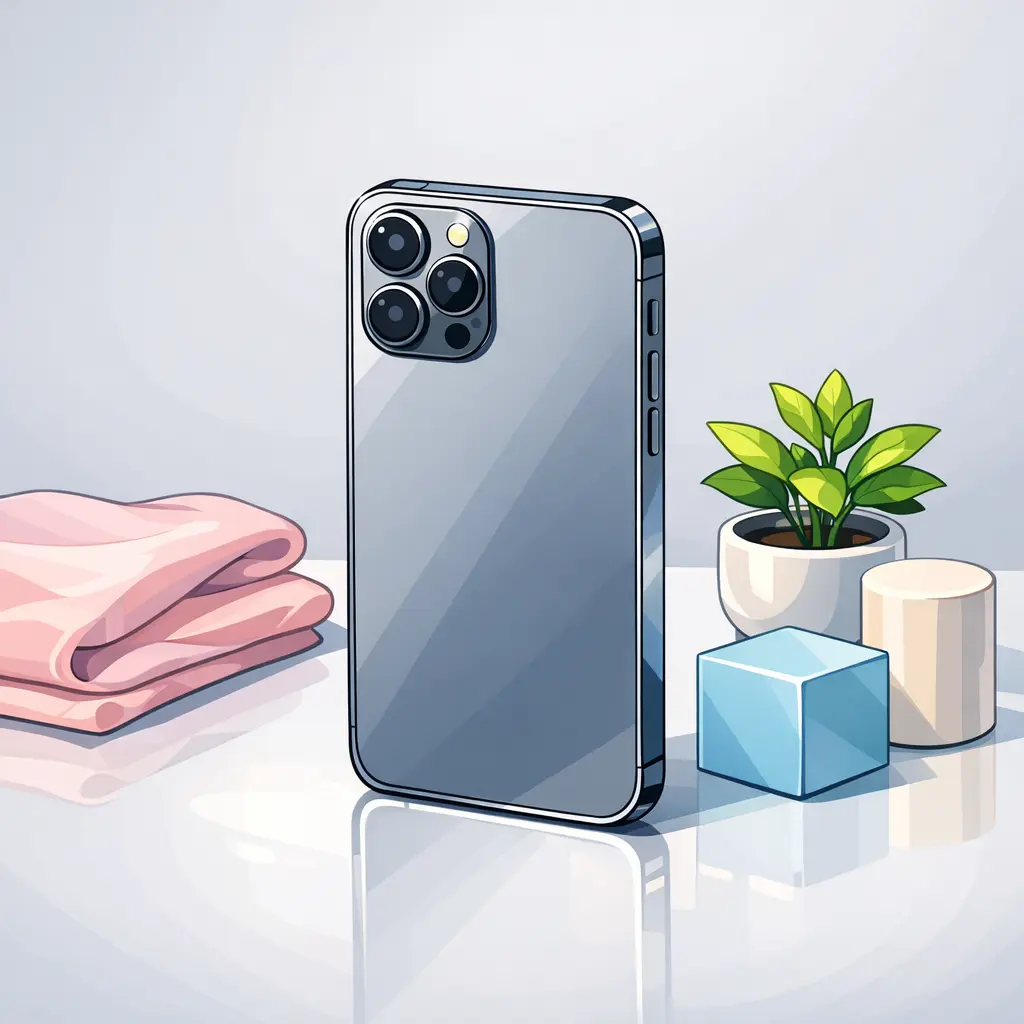
Styling involves arranging backgrounds, props, and context to complement the product without overpowering it, conveying use, scale, and brand story.
How can you ensure consistent color across shots?
Use manual white balance with a neutral reference (like a gray card), shoot under the same lighting, and apply consistent color profiles in post-processing.
What’s the difference between studio and lifestyle product photography?
Studio shots are clean, controlled, and show the product clearly; lifestyle shots place the product in a real setting to convey usage and context.