Long exposure and night photography are visual arts techniques that involve using slow shutter speeds to capture scenes in low light or darkness. This method allows photographers to record movement, create light trails, and reveal details invisible to the naked eye. Mastering these skills requires understanding camera settings, light sources, and composition, resulting in dramatic, atmospheric images that showcase creativity and technical expertise within visual arts and design.
Long Exposure & Night Photography
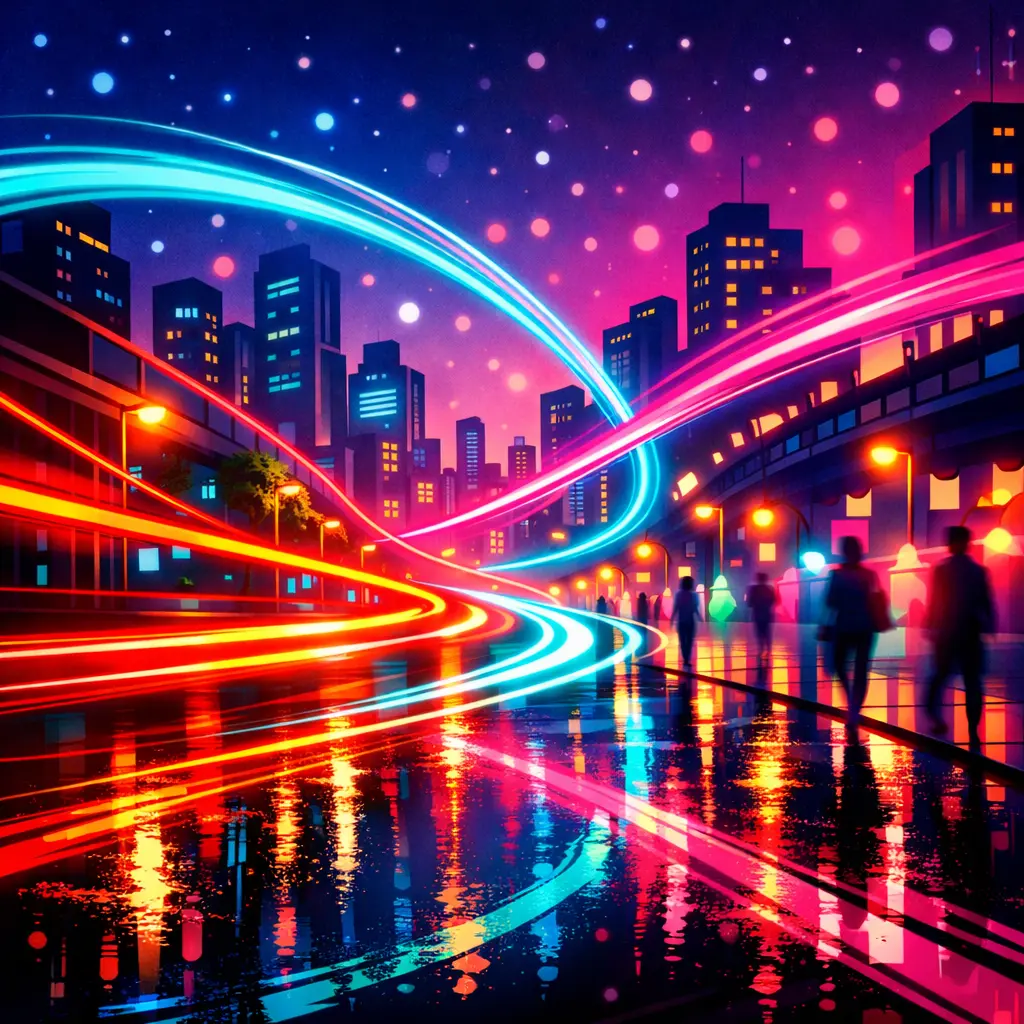
Long exposure and night photography are visual arts techniques that involve using slow shutter speeds to capture scenes in low light or darkness. This method allows photographers to record movement, create light trails, and reveal details invisible to the naked eye. Mastering these skills requires understanding camera settings, light sources, and composition, resulting in dramatic, atmospheric images that showcase creativity and technical expertise within visual arts and design.
💡 Key Takeaways
- Understand long exposure and why it creates motion blur and light trails in night scenes.
- Balance shutter speed, aperture, and ISO to achieve proper exposure in low light.
- Use essential gear and techniques (tripod, remote shutter, and stabilization) to prevent camera shake.
- Explore creative night-shot techniques such as light trails, star trails, silky water, and basic post-processing tips.
❓ Frequently Asked Questions
What is long exposure photography?
A technique that uses slow shutter speeds to capture light and motion over time, creating light trails, smooth water, and star trails.
Which camera settings matter most for night long exposure?
Shutter speed, aperture, and ISO. Start with a long shutter, a wide aperture, and the lowest usable ISO; shoot in RAW and adjust as needed.
Why is a tripod essential for long exposures at night?
To keep the camera perfectly still during the long shutter, preventing blur and ensuring sharp images.
How do you focus in the dark for sharp night shots?
Use manual focus with live view: zoom in on a bright distant point, adjust until sharp, then lock focus.