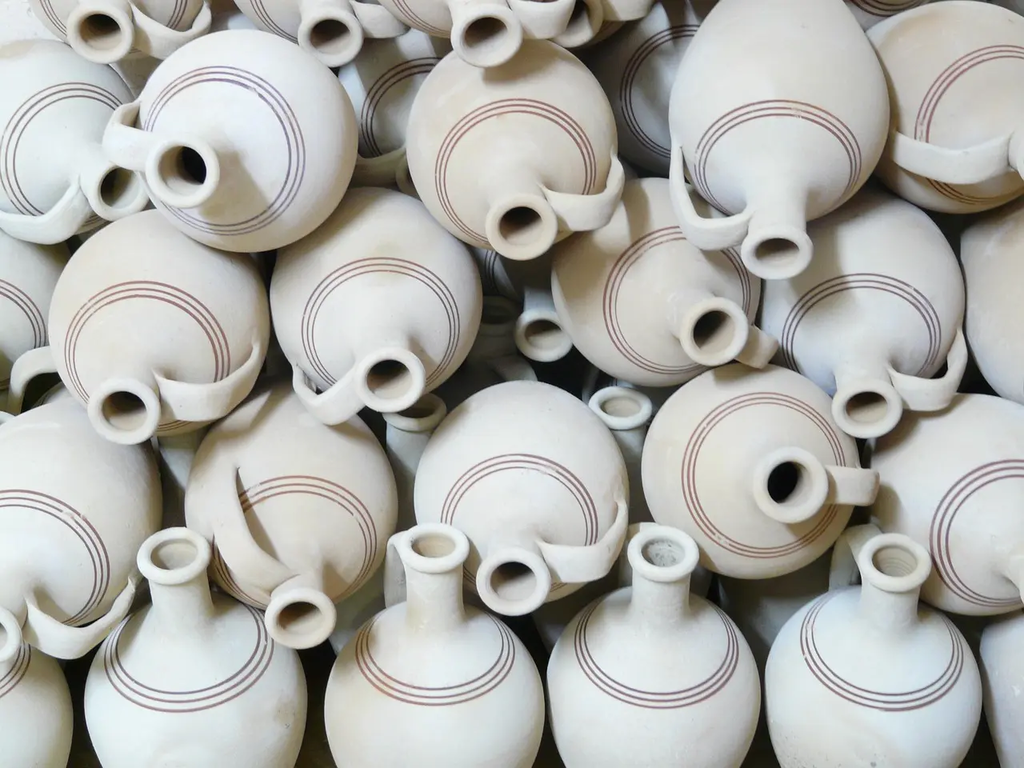
Composition and visual balance refer to how elements are arranged within an artwork or design to create a harmonious and pleasing effect. Good composition guides the viewer’s eye and ensures that no part of the image feels too heavy or empty. Visual balance is achieved by distributing visual weight evenly, either symmetrically or asymmetrically, so that the overall piece feels stable and aesthetically satisfying.
Composition and Visual Balance
Composition and visual balance refer to how elements are arranged within an artwork or design to create a harmonious and pleasing effect. Good composition guides the viewer’s eye and ensures that no part of the image feels too heavy or empty. Visual balance is achieved by distributing visual weight evenly, either symmetrically or asymmetrically, so that the overall piece feels stable and aesthetically satisfying.
💡 Key Takeaways
- Define composition and visual balance in arts and crafts.
- Explain how element arrangement guides the viewer’s eye and creates focal points.
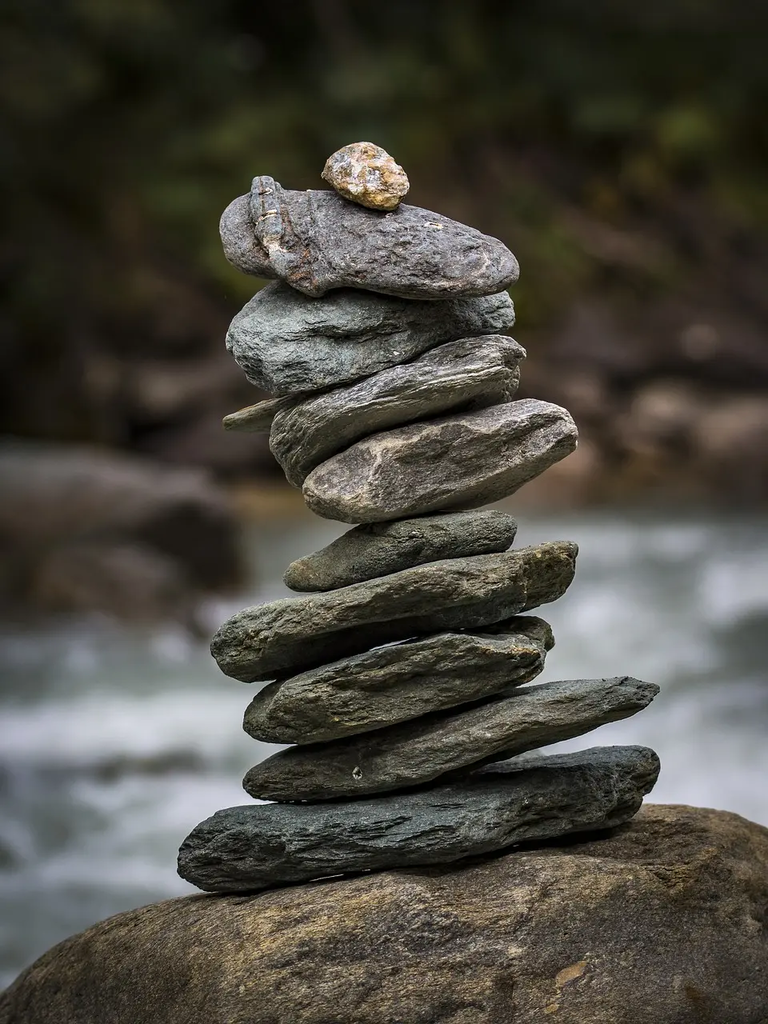
- Learn techniques for distributing visual weight (symmetry, asymmetry, rhythm).
- Identify how color, texture, value, and spacing affect balance.
- Practice evaluating and adjusting designs to avoid heavy or empty areas and achieve harmony.
❓ Frequently Asked Questions
What is composition in art?
The arrangement of elements within an artwork to create harmony and guide the viewer's eye.
What does visual balance refer to?
The distribution of visual weight across a composition so no area feels too heavy or empty.
What techniques help balance a design?
Creating a focal point, using leading lines, applying the rule of thirds, and balancing color, value, and texture.
What are common types of visual balance?
Symmetrical (formal), asymmetrical (informal), and radial balance.
How can I test if a composition is balanced?
Check for even attention across the image and adjust spacing, scale, color, or contrast to reduce unintended heaviness.