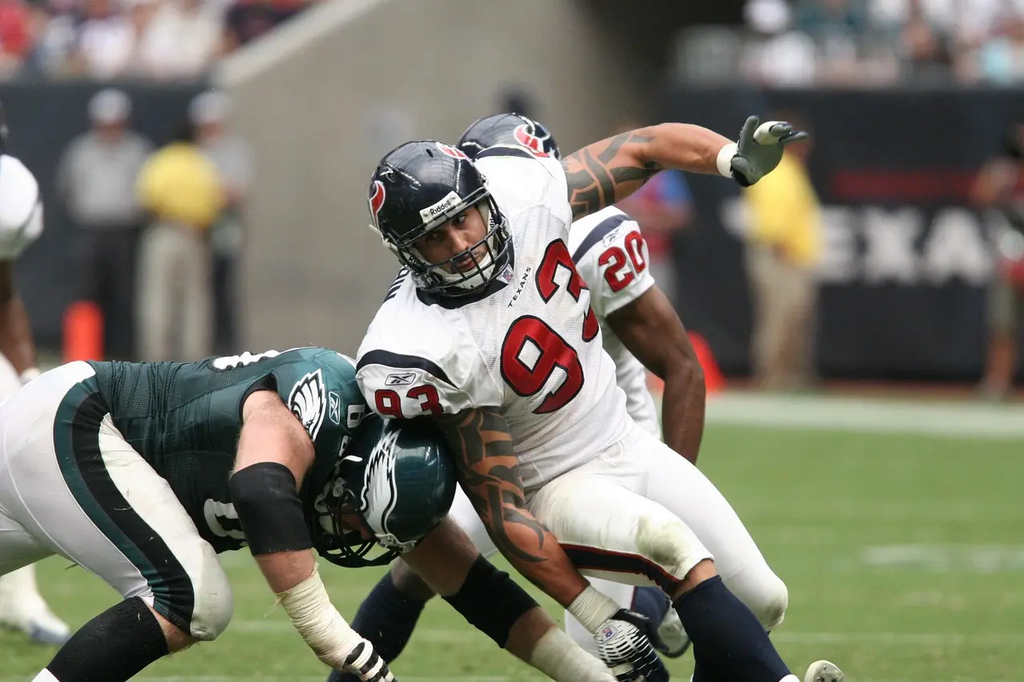
Concussion protocols and player safety ethics refer to the structured guidelines and moral responsibilities implemented in sports to protect athletes from head injuries. These protocols ensure timely identification, assessment, and management of concussions, prioritizing long-term health over immediate performance. Ethical considerations demand transparency, informed consent, and respect for players’ well-being, holding coaches, medical staff, and organizations accountable for minimizing risks and fostering a culture of safety in athletic environments.
Concussion protocols and player safety ethics
Concussion protocols and player safety ethics refer to the structured guidelines and moral responsibilities implemented in sports to protect athletes from head injuries. These protocols ensure timely identification, assessment, and management of concussions, prioritizing long-term health over immediate performance. Ethical considerations demand transparency, informed consent, and respect for players’ well-being, holding coaches, medical staff, and organizations accountable for minimizing risks and fostering a culture of safety in athletic environments.

💡 Key Takeaways
- Learn how concussion signs and symptoms are identified quickly on the field and why timely assessment matters.
- Understand the standard concussion protocol: sideline evaluation, medical clearance, and a structured return-to-play process.
- Explore the ethical principle of prioritizing long-term athlete health over immediate performance or game outcomes.
- Recognize the roles of coaches, medical staff, leagues, and players in enforcing safety standards and reporting suspected head injuries.
❓ Frequently Asked Questions
What are concussion protocols in sports?
A formal set of guidelines to identify, assess, and safely manage suspected concussions, including sideline checks, medical evaluation, rest, and a gradual return-to-play process.
Why are ethics important in concussion management?
Ethics ensure athletes' long-term health is prioritized, supporting honest reporting, informed consent, and responsible decisions by teams, physicians, and leagues.
What are the typical steps in a concussion protocol?
1) Remove from play if concussion is suspected, 2) on-site evaluation, 3) medical assessment and baseline testing, 4) rest and symptom monitoring, 5) progressive return-to-play with medical clearance.
How do protocols protect players' long-term health?
By preventing premature returns, ensuring proper recovery, and requiring medical clearance before resuming contact, reducing the risk of second injuries and chronic effects.
How do concussion safety ethics show up in American sports legends and moments?
Through stories of players speaking up about symptoms, leagues updating rules, and teams prioritizing welfare over quick returns, shaping safer practices.