Constructing a simple shelter is a crucial survival skill, often featured in survival stories. It involves using available materials like branches, leaves, or tarps to create protection from the elements. The process typically includes selecting a safe location, building a framework, and insulating to retain warmth and stay dry. Such shelters provide safety, comfort, and a psychological boost, making them essential for enduring challenging wilderness situations.
Constructing a Simple Shelter
Constructing a simple shelter is a crucial survival skill, often featured in survival stories. It involves using available materials like branches, leaves, or tarps to create protection from the elements. The process typically includes selecting a safe location, building a framework, and insulating to retain warmth and stay dry. Such shelters provide safety, comfort, and a psychological boost, making them essential for enduring challenging wilderness situations.
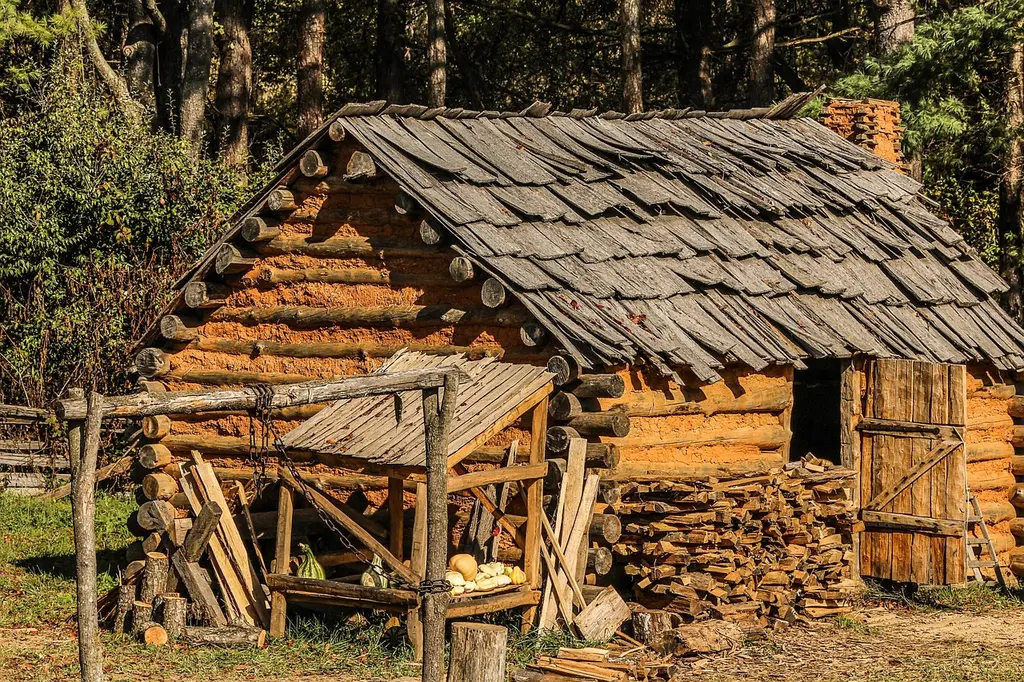
💡 Key Takeaways
- Choose a safe, level site and select a simple shelter design appropriate for the environment.
- Identify essential tools and materials for a basic shelter (e.g., rope, poles, tarp) and note basic safety considerations.
- Describe basic construction steps to assemble a small shelter: frame, walls, roof, and anchoring.
- Explain weatherproofing and stabilization basics, plus common knots/fasteners used in shelter setup.
❓ Frequently Asked Questions
What is the purpose of a simple shelter, and when is it useful?
A simple shelter provides protection from rain, wind, and sun, helping you stay safe and warm in outdoor or emergency situations.
What are the essential components of a basic shelter?
Roof or cover, wind protection, some ground clearance, ventilation, and a way to secure it (stakes, rope, or rocks).
What common materials can be used for a basic shelter?
Tarp or plastic sheeting, rope or cord, poles or sturdy branches, and a dry ground cover like a mat or leaves.
How can you assemble a simple lean-to shelter?
Set up a ridge or support, lean a tarp against it to form a sloped roof, anchor corners with stakes or weights, leave a gap at the bottom for airflow, and add a dry ground layer.