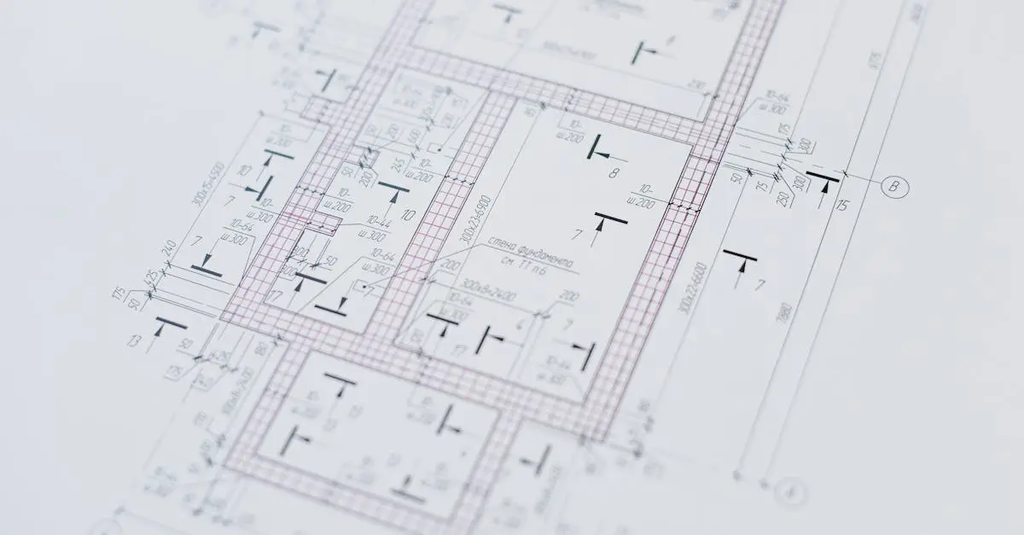
Construction Logistics and Site Layout Planning involves organizing and managing the movement, storage, and distribution of materials, equipment, and personnel on a construction site. In a construction design project, this process ensures efficient workflow, minimizes delays, and optimizes space usage. Proper planning improves safety, reduces costs, and supports timely project completion by strategically placing resources, access routes, and facilities, thereby enhancing overall productivity and coordination among various project stakeholders.
Construction Logistics and Site Layout Planning
Construction Logistics and Site Layout Planning involves organizing and managing the movement, storage, and distribution of materials, equipment, and personnel on a construction site. In a construction design project, this process ensures efficient workflow, minimizes delays, and optimizes space usage. Proper planning improves safety, reduces costs, and supports timely project completion by strategically placing resources, access routes, and facilities, thereby enhancing overall productivity and coordination among various project stakeholders.
💡 Key Takeaways
- Understand how a well-planned site layout reduces walking distances, speeds workflows, and lowers costs.
- Learn how to organize material storage, equipment staging, and vehicle access to minimize congestion and hazards.
- Explore sequencing and delivery planning (Just-In-Time, temporary facilities) to keep work flowing without clutter.
- Recognize safety and compliance considerations in site logistics, including traffic management and emergency access.
❓ Frequently Asked Questions
What is construction logistics?
The planning and management of material, equipment, and personnel movement on a construction site to ensure timely, safe, and cost‑effective project delivery.
What is site layout planning and why is it important?
It is arranging the location of temporary facilities, materials, access routes, and work zones to maximize safety, efficiency, and workflow while reducing delays and costs.
What are common elements included in a site layout plan?
Access roads, crane/rigging zones, material storage and laydown areas, temporary facilities (toilets, site offices), utilities, and pedestrian/vehicular circulation paths.
How can you optimize site traffic and material flow?
Separate pedestrians from vehicles, place high‑demand materials close to work fronts, plan deliveries to avoid peak times, and use clear signage and barriers to guide movement.