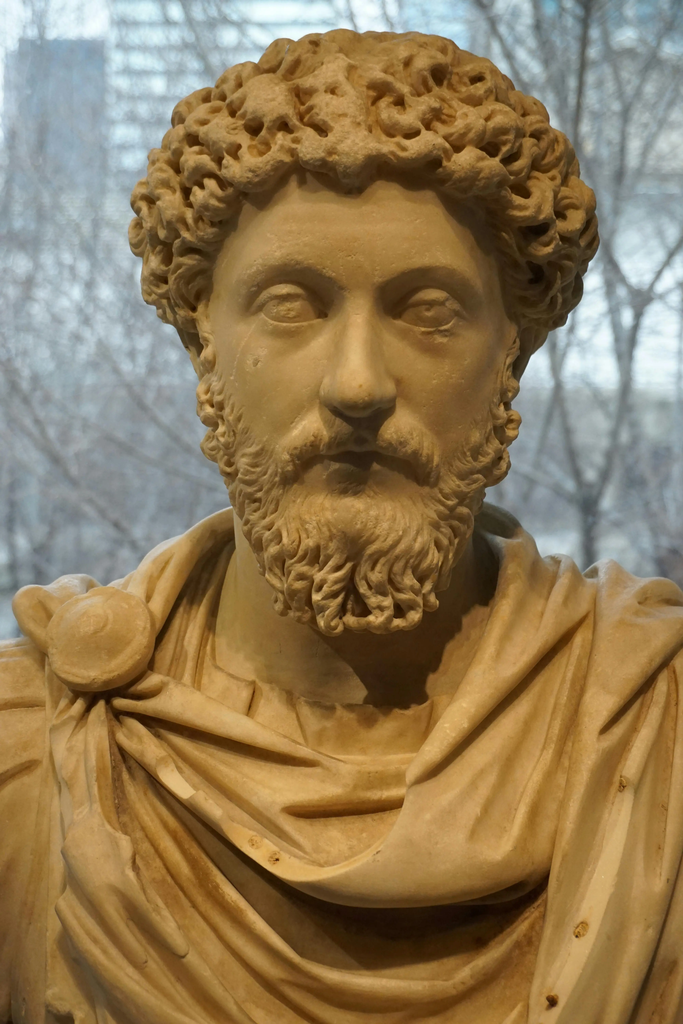
Contemporary virtue ethics is a modern revival of the ancient ethical tradition that emphasizes the development of moral character and virtues, such as honesty, courage, and compassion, over strict adherence to rules or focus on consequences. It draws inspiration from philosophers like Aristotle but adapts their ideas to address current moral issues. Contemporary virtue ethicists argue that cultivating good character traits leads to moral behavior and a flourishing life within today's complex societies.
Contemporary Virtue Ethics
Contemporary virtue ethics is a modern revival of the ancient ethical tradition that emphasizes the development of moral character and virtues, such as honesty, courage, and compassion, over strict adherence to rules or focus on consequences. It draws inspiration from philosophers like Aristotle but adapts their ideas to address current moral issues. Contemporary virtue ethicists argue that cultivating good character traits leads to moral behavior and a flourishing life within today's complex societies.

💡 Key Takeaways
- Understand how contemporary virtue ethics prioritizes character and virtues over rules or consequences.
- Identify core virtues (honesty, courage, compassion) and how they guide everyday actions.
- Explore key concepts like flourishing (eudaimonia) and practical wisdom (phronesis) in moral decision-making.
- Compare virtue ethics with deontological and utilitarian approaches, including common critiques.
- See how Aristotle-inspired ideas influence modern virtue ethics and its application to contemporary moral dilemmas.
❓ Frequently Asked Questions
What is contemporary virtue ethics?
A modern revival of virtue ethics that emphasizes character and moral virtues (e.g., honesty, courage, compassion) as the basis for ethical judgment, rather than strict rules or outcome calculations.
How does virtue ethics differ from rule-based and outcome-based ethics?
Virtue ethics focuses on having virtuous character; deontology centers on duties and rules, while consequentialism (like utilitarianism) cares about outcomes. It asks what a virtuous person would typically do in a situation.
What is practical wisdom (phronesis) in contemporary virtue ethics?
Phronesis is the ability to judge rightly in concrete situations, balancing competing virtues and context to act in a morally good way.
Which virtues are central to contemporary virtue ethics?
Core virtues often include honesty, courage, compassion, justice, temperance, and integrity, with emphasis on character that supports human flourishing (eudaimonia).
Who are notable philosophers associated with contemporary virtue ethics?
Aristotle is the ancient influence; modern proponents include Alasdair MacIntyre, Rosalind Hursthouse, Philippa Foot, Christine Swanton, and Martha Nussbaum.