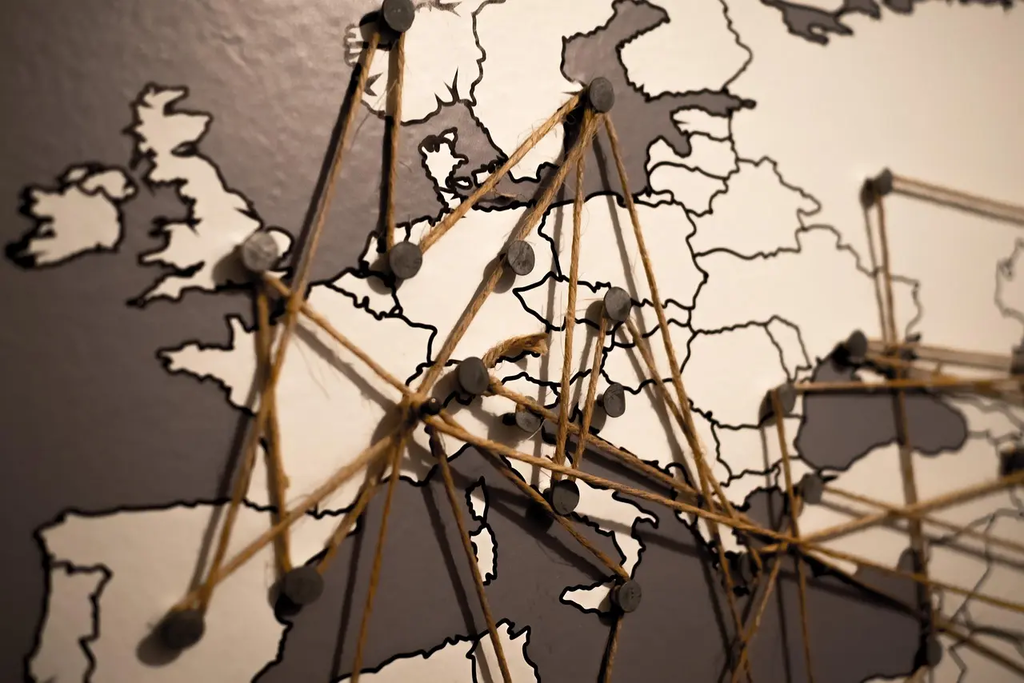
Cooking with avant-garde methods involves using innovative, experimental techniques and technologies to prepare food, often drawing inspiration from molecular gastronomy. This approach emphasizes creativity, presentation, and the transformation of traditional ingredients. By incorporating global flavors, chefs blend diverse culinary traditions and spices, resulting in unique, boundary-pushing dishes that surprise and delight the palate. The fusion of cutting-edge methods and international tastes redefines modern dining experiences.
Cooking with Avant-garde Methods
Cooking with avant-garde methods involves using innovative, experimental techniques and technologies to prepare food, often drawing inspiration from molecular gastronomy. This approach emphasizes creativity, presentation, and the transformation of traditional ingredients. By incorporating global flavors, chefs blend diverse culinary traditions and spices, resulting in unique, boundary-pushing dishes that surprise and delight the palate. The fusion of cutting-edge methods and international tastes redefines modern dining experiences.
💡 Key Takeaways
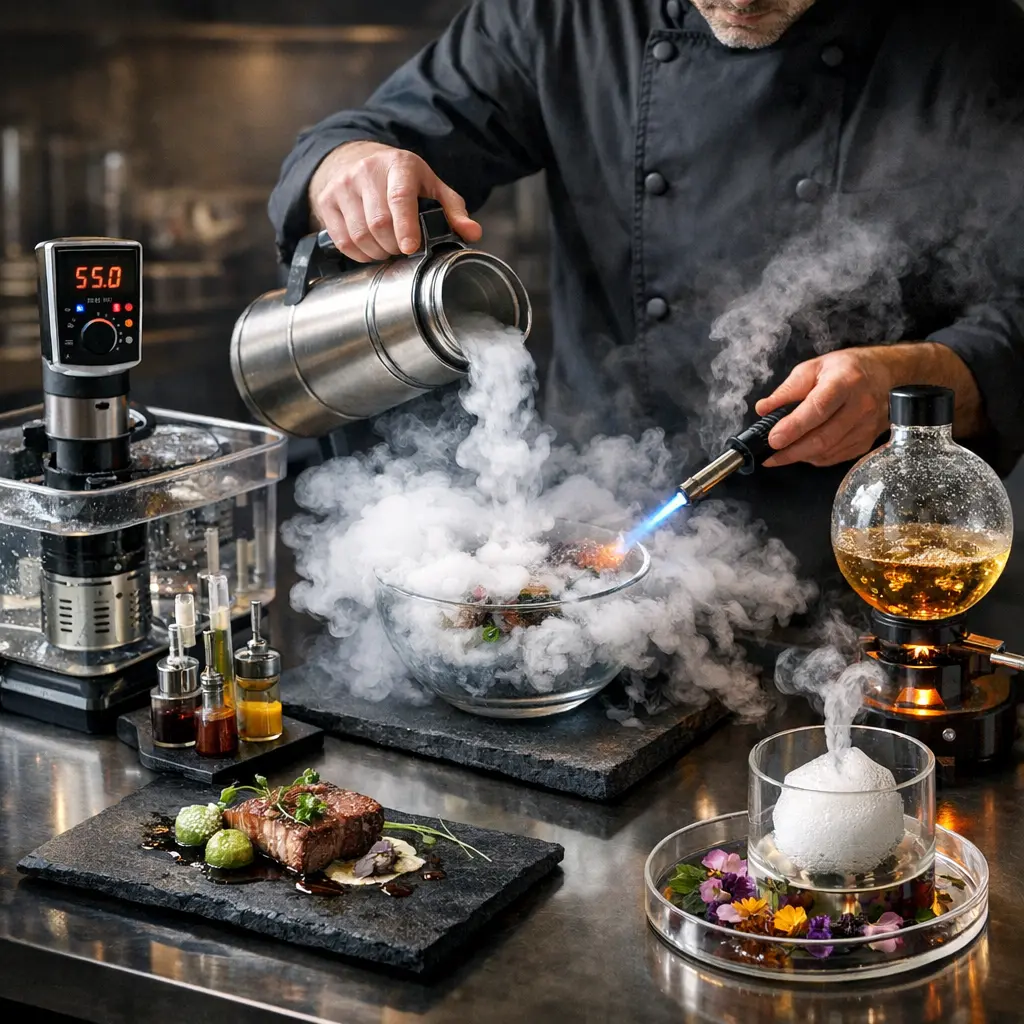
- Define avant-garde cooking and how it blends science, technique, and creativity
- Identify key modernist techniques (sous-vide, foams, gels, spherification) and their culinary goals
- Explain how avant-garde methods can transform traditional ingredients into new textures and flavors
- Discuss safety, equipment needs, and practical considerations when experimenting with modernist methods
❓ Frequently Asked Questions
What does 'avant-garde cooking' mean?
An innovative cooking approach that pushes boundaries with experimental techniques, unusual textures, and striking presentations often grounded in science and tech.
What is molecular gastronomy in simple terms?
A field that uses scientific ideas to transform ingredients into new textures and forms, such as foams, gels, and pearled spheres.
What is sous vide and why is it used in avant-garde cuisine?
Sous vide means vacuum-sealing food and cooking it in a precisely controlled water bath, which yields consistent doneness and enables delicate, precise textures.
What are hydrocolloids and how are they used?
Hydrocolloids are gelling or thickening agents (e.g., agar, xanthan gum, alginates) that create gels, foams, pearls, and other novel textures.