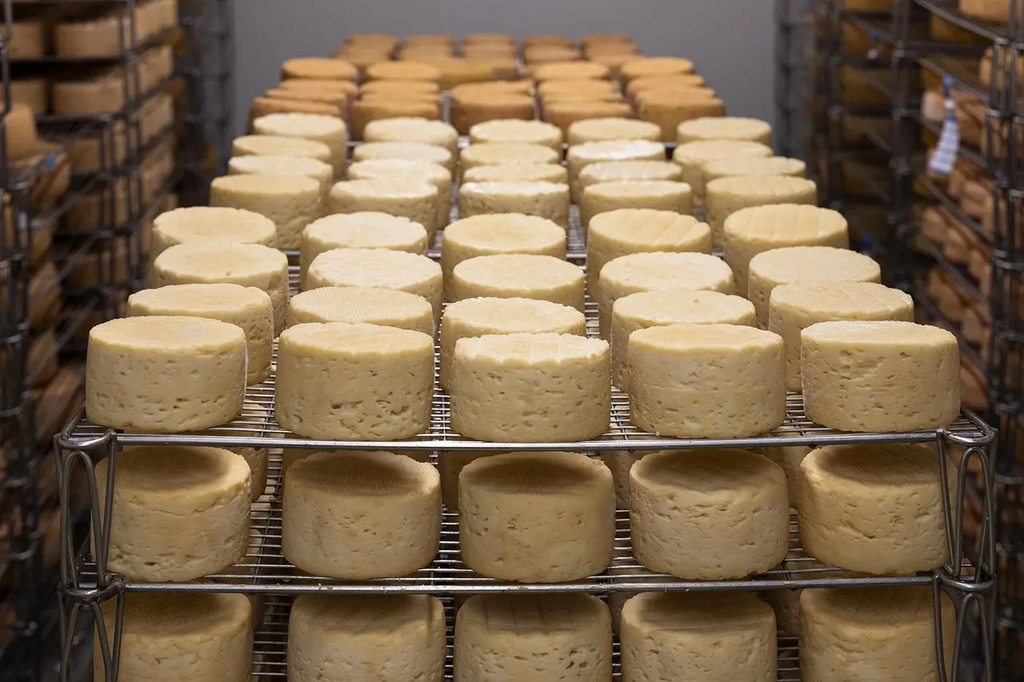
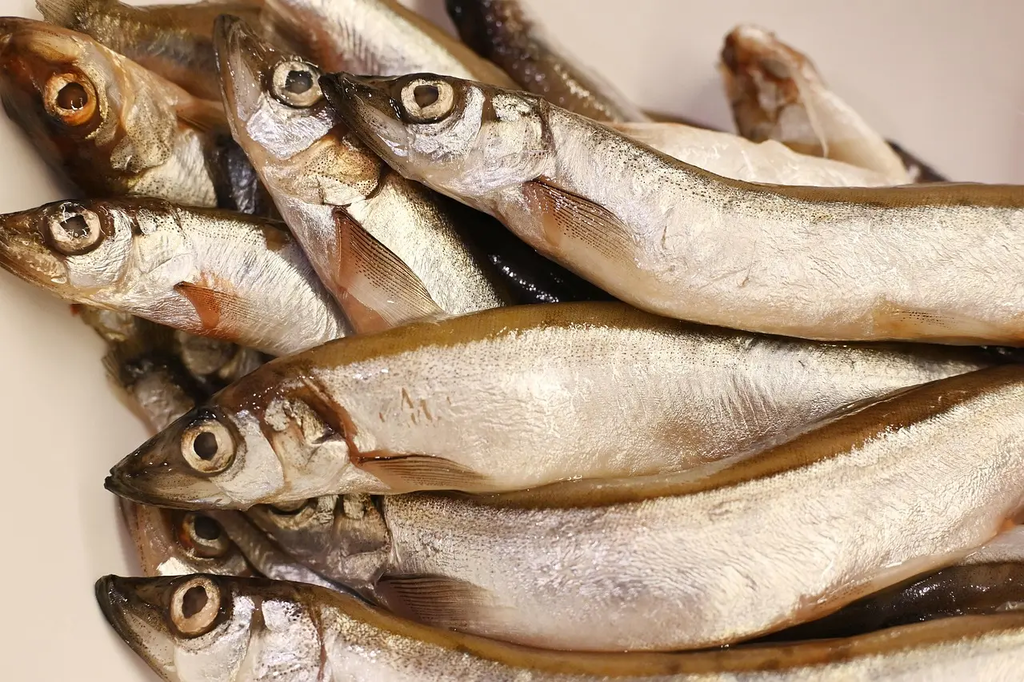
"Exploring Global Food and Ethics (Food & Global Flavors)" refers to examining the diverse culinary traditions from around the world while considering the ethical aspects of food production, sourcing, and consumption. This involves understanding how cultural values, sustainability, fair trade, and animal welfare influence what we eat. By appreciating global flavors, we also reflect on the impact of our food choices on people, communities, and the environment worldwide.
Exploring Global Food and Ethics
"Exploring Global Food and Ethics (Food & Global Flavors)" refers to examining the diverse culinary traditions from around the world while considering the ethical aspects of food production, sourcing, and consumption. This involves understanding how cultural values, sustainability, fair trade, and animal welfare influence what we eat. By appreciating global flavors, we also reflect on the impact of our food choices on people, communities, and the environment worldwide.

💡 Key Takeaways
- Understand how global food systems affect access to nutritious, affordable food.
- Explore ethical issues in production, sourcing, labor rights, and animal welfare.
- Assess environmental impacts of farming, processing, and distribution.
- Compare cultural perspectives on food ethics and dietary choices around the world.
- Analyze policy, trade, and corporate responsibility factors shaping food fairness and sustainability.
❓ Frequently Asked Questions
What does ethical eating mean in a global context?
Ethical eating considers how food is produced, traded, and consumed, focusing on fair labor, animal welfare, environmental sustainability, and respect for cultural food practices.
How do environmental concerns influence ethical food choices?
Environmental factors like greenhouse gas emissions, water use, and biodiversity impact the ethics of a choice by aiming to minimize harm to people and ecosystems now and in the future.
What role do food certifications (e.g., Fair Trade, Organic) play?
Certifications signal adherence to certain labor, environmental, and safety standards, helping consumers support more ethical production, though they are not perfect indicators alone.
What practical steps can I take to eat more ethically?
Reduce waste, buy locally when possible, choose diverse foods, prefer products with reliable ethical certifications, support humane animal practices, and learn about supply chains.