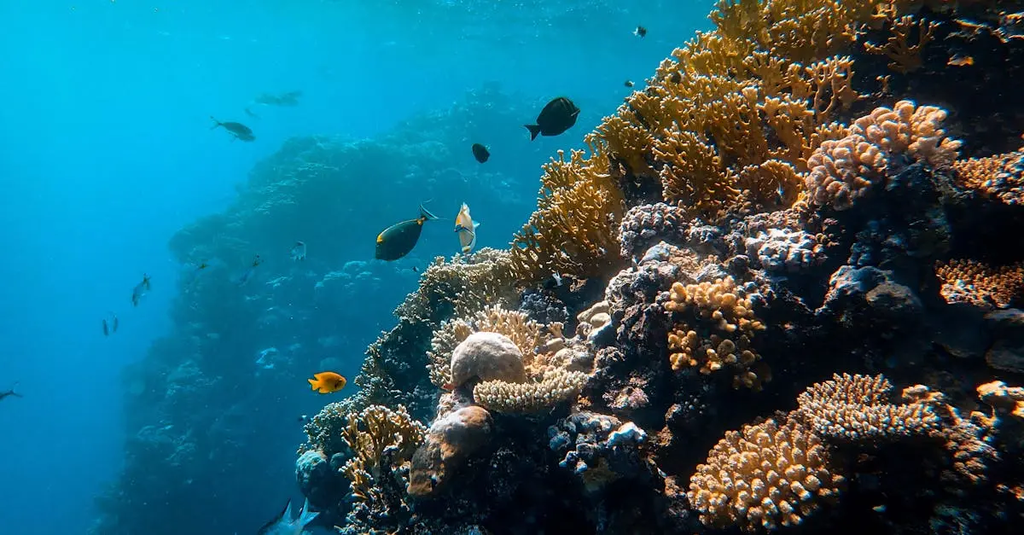
Coral reef ecology basics encompass the study of interactions among corals, marine organisms, and their environment within reef ecosystems. Coral reefs are formed by colonies of tiny animals called polyps, which build calcium carbonate skeletons. These vibrant habitats support immense biodiversity, providing shelter and food for numerous species. Key ecological processes include symbiosis with algae, nutrient cycling, and predator-prey relationships, all of which contribute to the reef’s health, resilience, and productivity.
Coral Reef Ecology Basics
Coral reef ecology basics encompass the study of interactions among corals, marine organisms, and their environment within reef ecosystems. Coral reefs are formed by colonies of tiny animals called polyps, which build calcium carbonate skeletons. These vibrant habitats support immense biodiversity, providing shelter and food for numerous species. Key ecological processes include symbiosis with algae, nutrient cycling, and predator-prey relationships, all of which contribute to the reef’s health, resilience, and productivity.
💡 Key Takeaways
- Understand what coral polyps are and how their calcium carbonate skeletons form reef structures.
- Learn how coral reefs support exceptional biodiversity and the roles of corals, algae, fish, and other reef organisms.
- Explain the symbiotic relationship between corals and zooxanthellae algae and how this energy source drives reef growth.
- Recognize how environmental conditions such as light, temperature, and water quality affect coral health and reef resilience.
❓ Frequently Asked Questions
What is coral reef ecology, and why are reefs important?
Coral reef ecology studies how corals, other reef organisms, and their environment interact. Reefs support immense biodiversity, protect coastlines, and sustain fisheries and tourism.
How do coral reefs form their skeletons?
Coral polyps secrete calcium carbonate, creating hard skeletons. Over time, many corals build up large reef structures.
What is zooxanthellae and why are they important to corals?
Zooxanthellae are photosynthetic algae living inside coral tissues. They provide energy to the coral through photosynthesis and contribute to the coral's color; stress can cause them to leave, leading to bleaching.
What factors threaten coral reefs?
Increases in water temperature, pollution, overfishing, sedimentation, and ocean acidification stress corals, causing bleaching, disease, and reef degradation.
What other organisms live on coral reefs besides corals?
Reefs host a diverse community—fish, mollusks, crustaceans, sea urchins, sponges, and many invertebrates—forming complex habitats and food webs.