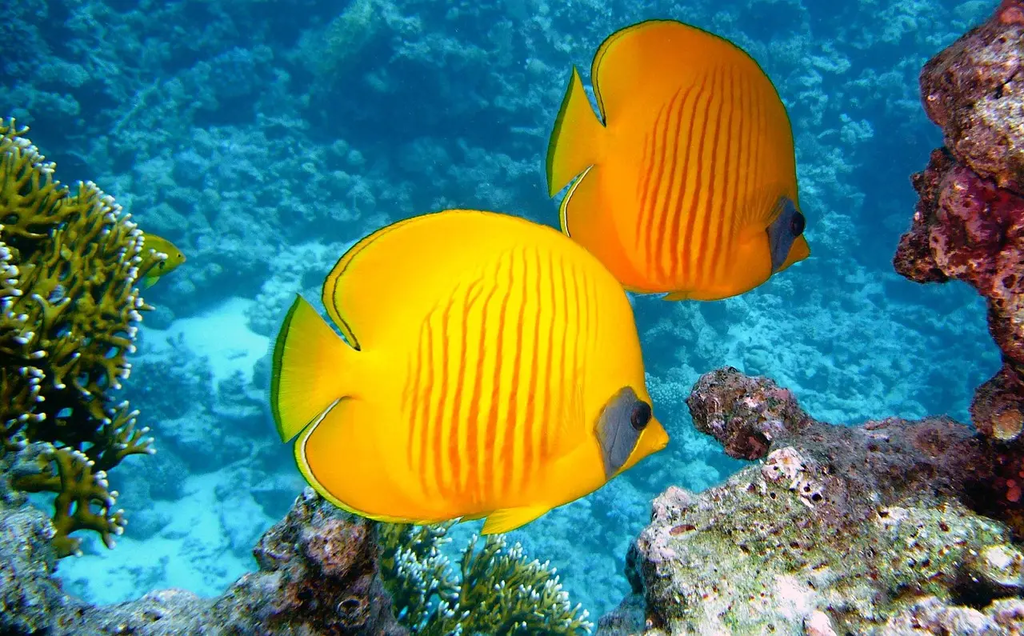
Coral reefs are vibrant underwater ecosystems found in oceans and seas, formed by colonies of tiny animals called coral polyps. These structures provide shelter, food, and breeding grounds for countless marine species, making them some of the most diverse habitats on Earth. Despite covering less than 1% of the ocean floor, coral reefs support about a quarter of all marine life, playing a crucial role in maintaining the health and balance of our planet’s oceans.
Coral Reefs Introduction+50
Coral reefs are vibrant underwater ecosystems found in oceans and seas, formed by colonies of tiny animals called coral polyps. These structures provide shelter, food, and breeding grounds for countless marine species, making them some of the most diverse habitats on Earth. Despite covering less than 1% of the ocean floor, coral reefs support about a quarter of all marine life, playing a crucial role in maintaining the health and balance of our planet’s oceans.
💡 Key Takeaways
- Define coral reefs and explain their role in marine ecosystems
- Describe how coral polyps and their symbiotic algae build reefs
- Identify common threats to reefs (bleaching, warming, acidification, pollution)
- Explain why reefs are important for biodiversity, coastlines, and human livelihoods
❓ Frequently Asked Questions
What is a coral reef?
A diverse underwater ecosystem built by coral polyps that secrete calcium carbonate skeletons, forming large, hard structures in shallow, warm, clear seas.
How do coral reefs form and grow?
Coral colonies build skeletons over time; many corals host photosynthetic algae (zooxanthellae) that provide energy, enabling reef growth in sunlit, warm waters.
Why are coral reefs important?
They support vast biodiversity, protect coastlines from waves, sustain fisheries and tourism, and offer compounds for medicines.
What threatens coral reefs and how can we help protect them?
Threats include warming oceans, acidification, pollution, and overfishing; protecting reefs involves reducing carbon emissions, controlling pollution, and supporting reef conservation and sustainable tourism.