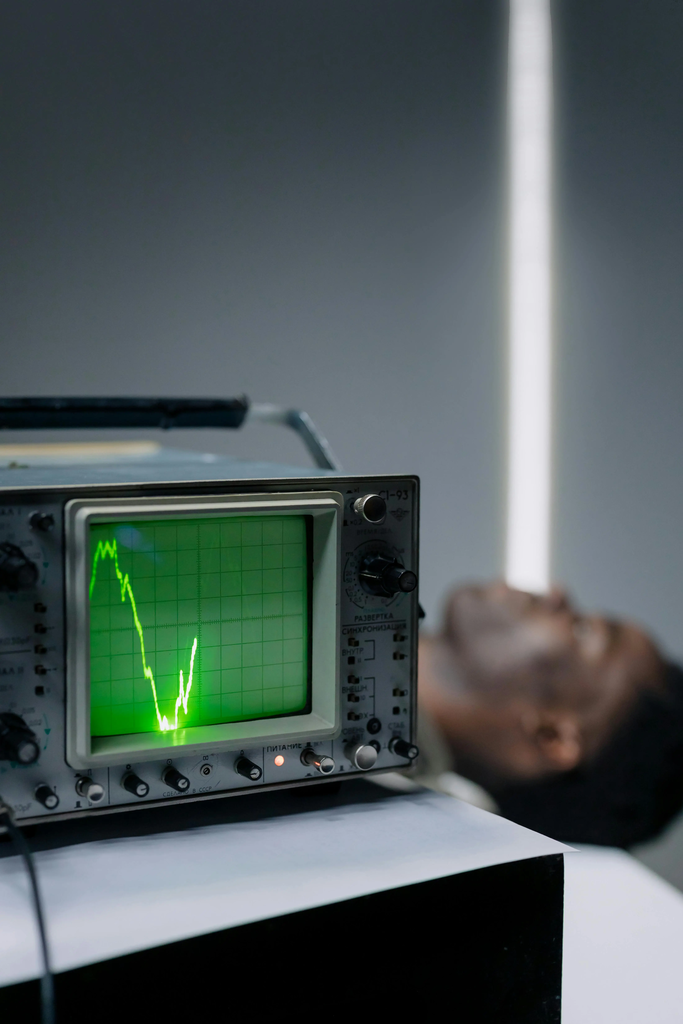
Creating a Personal Health Operating System involves developing a structured, individualized approach to managing one’s well-being. It means integrating habits, tools, and routines—such as tracking nutrition, exercise, sleep, and mental health—into a cohesive system. This proactive method empowers individuals to monitor progress, make informed decisions, and adapt strategies for optimal health, much like an operating system coordinates various functions for efficiency and effectiveness.
Creating a Personal Health Operating System
Creating a Personal Health Operating System involves developing a structured, individualized approach to managing one’s well-being. It means integrating habits, tools, and routines—such as tracking nutrition, exercise, sleep, and mental health—into a cohesive system. This proactive method empowers individuals to monitor progress, make informed decisions, and adapt strategies for optimal health, much like an operating system coordinates various functions for efficiency and effectiveness.
💡 Key Takeaways
- Define a Personal Health Operating System and why a structured, individualized approach improves wellbeing.
- Learn how to integrate habits, tools, and routines to track nutrition, exercise, sleep, and mental health in one system.
- Create a cohesive, adaptable health routine that evolves with your needs and priorities.
- Use your tracked data to make proactive health decisions and set meaningful, achievable goals.
❓ Frequently Asked Questions
What is a Personal Health Operating System (Health OS)?
A structured, individualized framework for managing your well-being by integrating habits, tracking tools, and routines across nutrition, activity, sleep, and mental health into a cohesive system.
Why should I create a Health OS?
It helps you stay organized, track progress, identify patterns, set realistic goals, and make proactive health decisions.
What are the core components of a Health OS?
Habits and routines, data tracking (nutrition, exercise, sleep, mood), tools and apps, goal setting, and a regular review process.
How do I start building my Health OS?
Define your priorities, choose a few simple trackers, map your daily routines, set measurable goals, start small, and review progress weekly.
How is a Health OS different from separate diet or workout plans?
It's an integrated, ongoing system tailored to you, combining multiple health areas rather than a single plan that doesn't adapt over time.