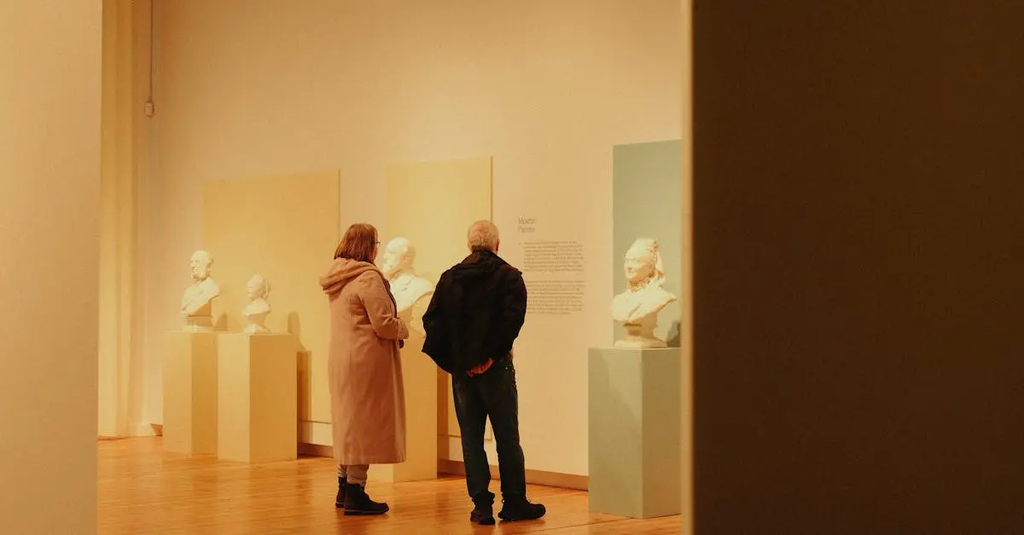
Cross-Cultural Comparative Art History is an academic approach that examines and contrasts artistic traditions, styles, and themes from different cultures and historical periods. By analyzing similarities and differences, this field seeks to understand how cultural exchanges, influences, and unique societal contexts shape artistic expression. It promotes a broader, more inclusive perspective on art history, challenging Eurocentric narratives and highlighting the interconnectedness of global artistic developments.
Cross-Cultural Comparative Art History
Cross-Cultural Comparative Art History is an academic approach that examines and contrasts artistic traditions, styles, and themes from different cultures and historical periods. By analyzing similarities and differences, this field seeks to understand how cultural exchanges, influences, and unique societal contexts shape artistic expression. It promotes a broader, more inclusive perspective on art history, challenging Eurocentric narratives and highlighting the interconnectedness of global artistic developments.

💡 Key Takeaways
- Understand how cross-cultural exchanges influence styles, motifs, and themes in different art traditions.
- Compare and contrast artworks from diverse cultures and historical periods to identify similarities and differences.
- Learn methodological approaches for cross-cultural art history, including contextual analysis and visual literacy.
- Explore how power, trade, religion, and technology shaped artistic production across regions.
❓ Frequently Asked Questions
What is cross-cultural comparative art history?
An academic approach that compares artistic traditions, styles, and themes across cultures and historical periods to reveal exchanges, influences, and unique developments.
What methods do scholars use in this field?
Comparative visual analysis, contextual research on history, religion, and patronage, material studies, and examination of sources such as texts and inscriptions to trace connections and differences.
Why is cross-cultural comparison important?
It reveals intercultural influences, broadens perspectives beyond single-culture histories, and helps explain how global networks shaped artistic change.
Can you give a simple example of a cross-cultural comparison?
Example: comparing Japanese ukiyo-e prints with European lithographs of the 19th century to explore how mass imagery circulated and influenced each tradition.