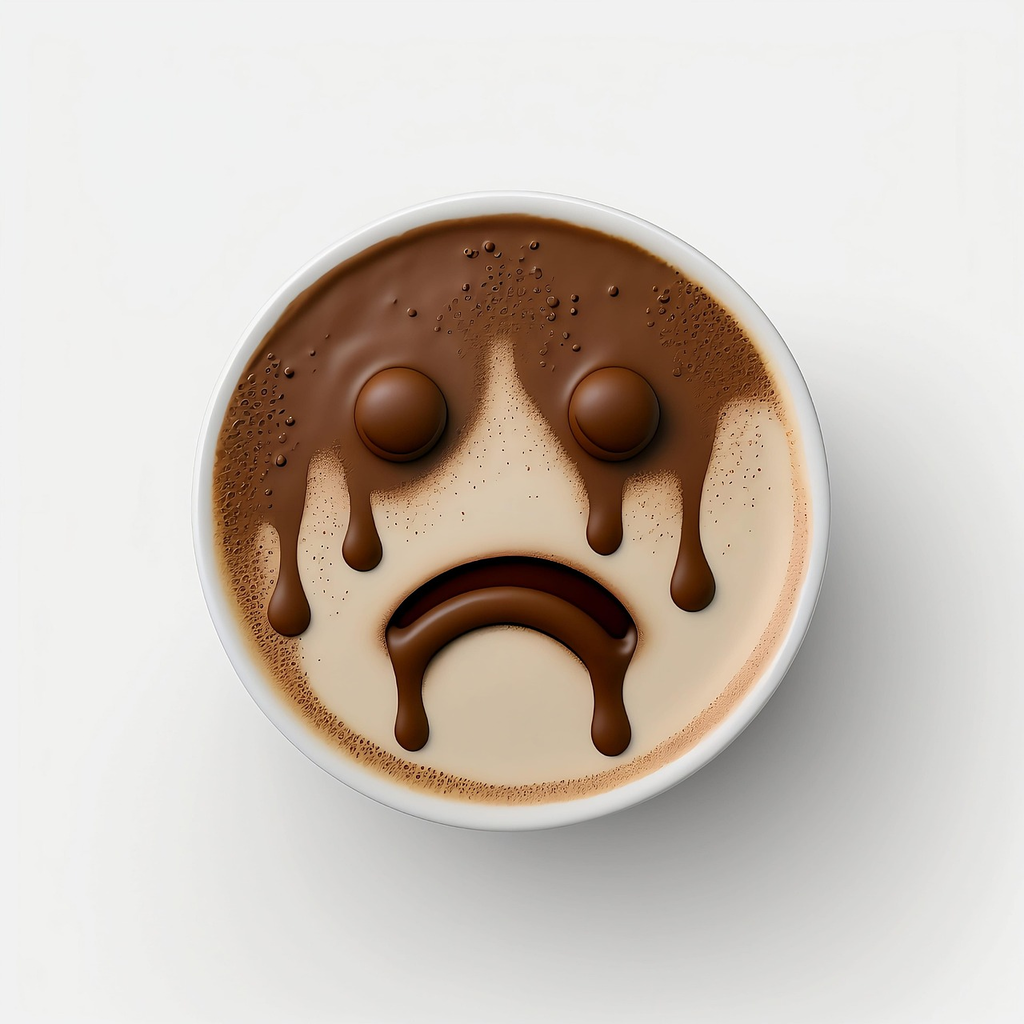
Crying emojis, representing emotions like sadness, joy, or empathy, are interpreted differently across cultures. In some cultures, a crying emoji may signify deep sorrow, while in others, it can express overwhelming happiness or laughter. The context and cultural background influence whether tears are seen as a sign of weakness, sincerity, or emotional release. Thus, the meaning of crying emojis varies globally, reflecting diverse attitudes toward emotional expression.
Crying Emojis in Different Cultures
Crying emojis, representing emotions like sadness, joy, or empathy, are interpreted differently across cultures. In some cultures, a crying emoji may signify deep sorrow, while in others, it can express overwhelming happiness or laughter. The context and cultural background influence whether tears are seen as a sign of weakness, sincerity, or emotional release. Thus, the meaning of crying emojis varies globally, reflecting diverse attitudes toward emotional expression.
💡 Key Takeaways
- Understand that crying emojis can signal joy, relief, or empathy as well as sadness, and that meanings vary by culture.
- Learn how cultural norms influence when and how people use crying emojis in messages.
- Recognize differences in emoji design across platforms and regions that can change interpretation.
- Apply best practices to avoid miscommunication in cross-cultural chats by adding clarifying text or choosing clearer emojis.
❓ Frequently Asked Questions
What do crying emojis convey?
They generally express sadness or strong emotion; tears of joy (😂) can signal humor, while sadness-themed faces (😢, 😭) convey grief or disappointment. Context matters.
How do cultural norms affect interpretation?
Cultural expectations about showing emotion influence how a crying emoji is read. In some cultures tears signal sincerity, while in others they may seem exaggerated; always consider the surrounding text.
Are there regional or platform differences in usage?
Yes. Different regions and apps can shape emoji use—some communities favor tears of joy for jokes, others use crying faces for sadness. Platform design can also affect how the emoji is perceived.
How should you interpret a crying emoji in a quiz?
Check the prompt and nearby text, note any emotional cue described, and avoid assumptions about culture. If unclear, rely on additional clues or ask for clarification.