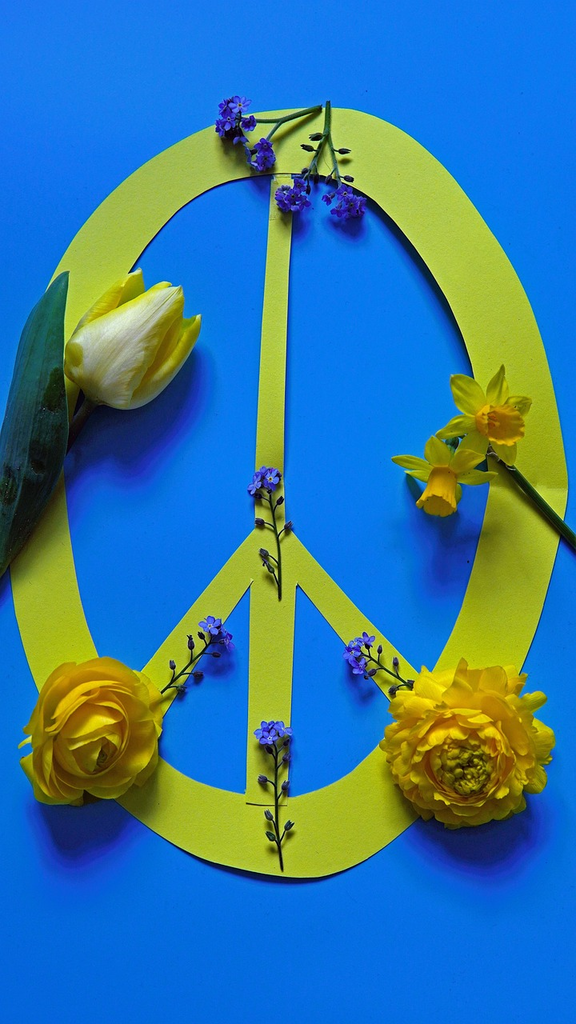
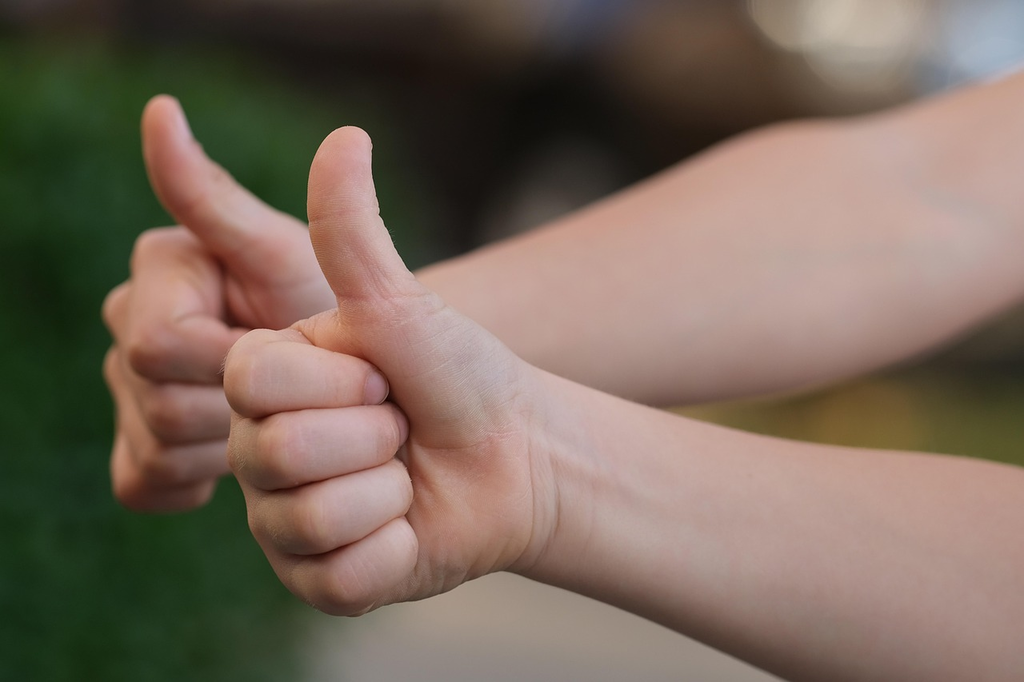
Cultural neutral gestures, such as gesture waves, thumbs up, and the peace sign, are universally recognized nonverbal signals used to communicate positive intentions, greetings, or approval across various cultures. These gestures typically transcend language barriers, making them effective tools for fostering understanding and connection in diverse social settings. Their simplicity and widespread acceptance help minimize misunderstandings and facilitate smooth, respectful interactions among people from different backgrounds.
Cultural Neutral Gestures+50
Cultural neutral gestures, such as gesture waves, thumbs up, and the peace sign, are universally recognized nonverbal signals used to communicate positive intentions, greetings, or approval across various cultures. These gestures typically transcend language barriers, making them effective tools for fostering understanding and connection in diverse social settings. Their simplicity and widespread acceptance help minimize misunderstandings and facilitate smooth, respectful interactions among people from different backgrounds.
💡 Key Takeaways
- Understand the concept of culturally neutral gestures and why they reduce cross-cultural risk.
- Identify examples of gestures commonly considered neutral and when they are appropriate.
- Learn how context, culture, and setting can still affect interpretation of otherwise neutral gestures.
- Practice using neutral gestures effectively in meetings, negotiations, and customer interactions to enhance clarity and respect.
❓ Frequently Asked Questions
What are cultural neutral gestures?
Gestures that are generally understood or non-offensive across many cultures. Remember, no gesture is truly universal; always consider context and local norms.
Why is it important to use neutral gestures in cross-cultural settings?
To avoid misinterpretation or offense and to communicate more clearly with people from different cultures.
Can you give examples of neutral gestures?
Examples include an open palm presented to the audience, a gentle nod, and a calm, friendly smile. Avoid pointed or overly animated movements that could be misread.
What should you do if you're unsure about a gesture in a new culture?
Observe how locals communicate, seek feedback, and rely on clear verbal explanations or visuals rather than risky gestures.