Cultural policy and arts advocacy in performing arts and music involve the development and implementation of strategies, regulations, and initiatives that support and promote artistic expression, creativity, and cultural heritage. These efforts aim to secure funding, create opportunities, and influence public opinion and government decisions to ensure the sustainability and growth of performing arts and music sectors, fostering diversity, accessibility, and community engagement within society.
Cultural Policy & Arts Advocacy
Cultural policy and arts advocacy in performing arts and music involve the development and implementation of strategies, regulations, and initiatives that support and promote artistic expression, creativity, and cultural heritage. These efforts aim to secure funding, create opportunities, and influence public opinion and government decisions to ensure the sustainability and growth of performing arts and music sectors, fostering diversity, accessibility, and community engagement within society.
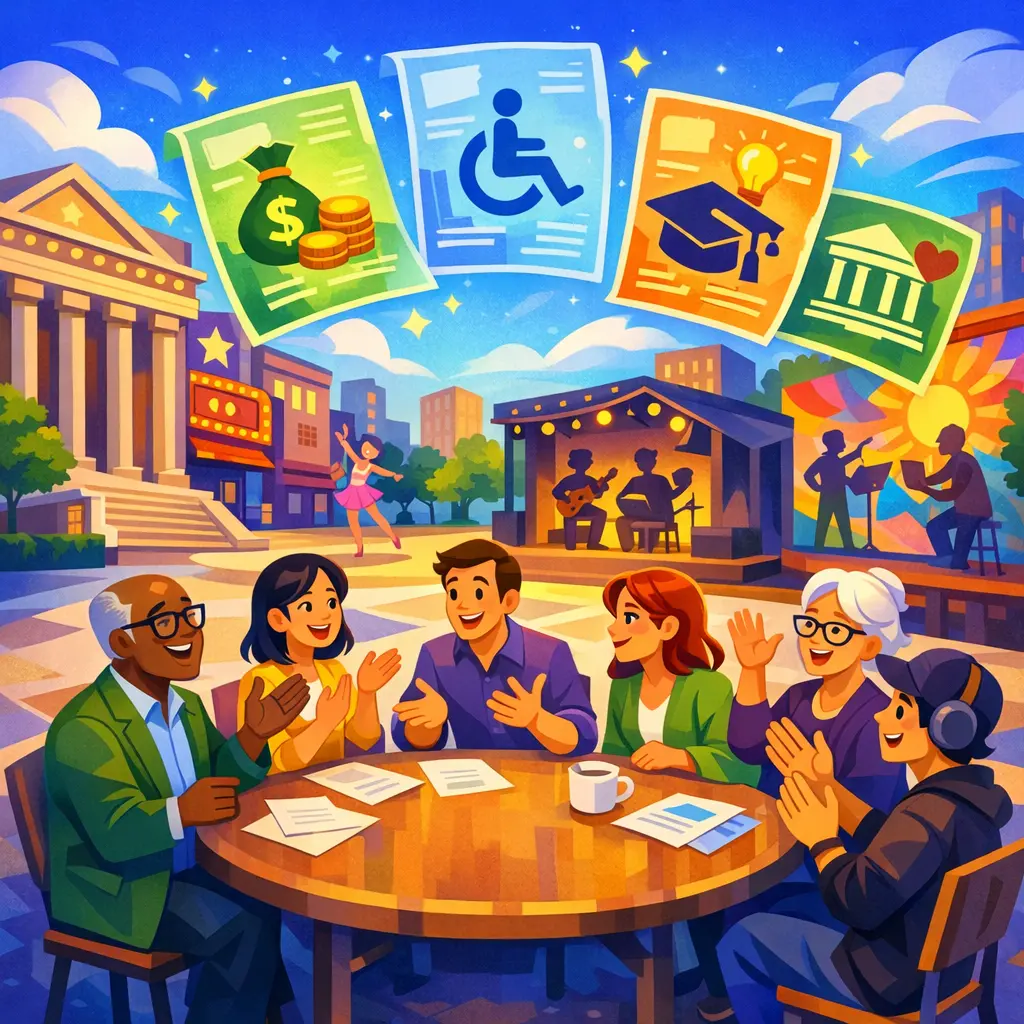
💡 Key Takeaways
- Understand how cultural policies shape funding, access, and governance for arts communities.
- Identify key actors in arts advocacy and how to engage policymakers, funders, and audiences.
- Compare funding models (public, private, and philanthropic) and their impact on artistic freedom and sustainability.
- Learn practical advocacy strategies to advance cultural initiatives and promote cultural equity.
❓ Frequently Asked Questions
What is cultural policy?
A framework of laws, programs, and funding decisions by governments and public institutions to support culture, arts, heritage, language, and creative expression.
What does arts advocacy mean and who is involved?
Efforts to influence public policy and opinion to benefit the arts; it involves artists, arts organizations, educators, funders, policymakers, and audiences.
How do cultural policy and arts advocacy interact?
Policy sets the rules and funding, while advocacy helps shape how those resources are allocated and implemented through campaigns, lobbying, and community engagement.
What are common sources of arts funding?
Government grants and arts councils, private foundations, corporate sponsorships, and individual donations.
Why is arts advocacy important for communities?
It expands access to diverse arts, supports artists and jobs, enriches education and civic life, and strengthens local culture and economic vitality.