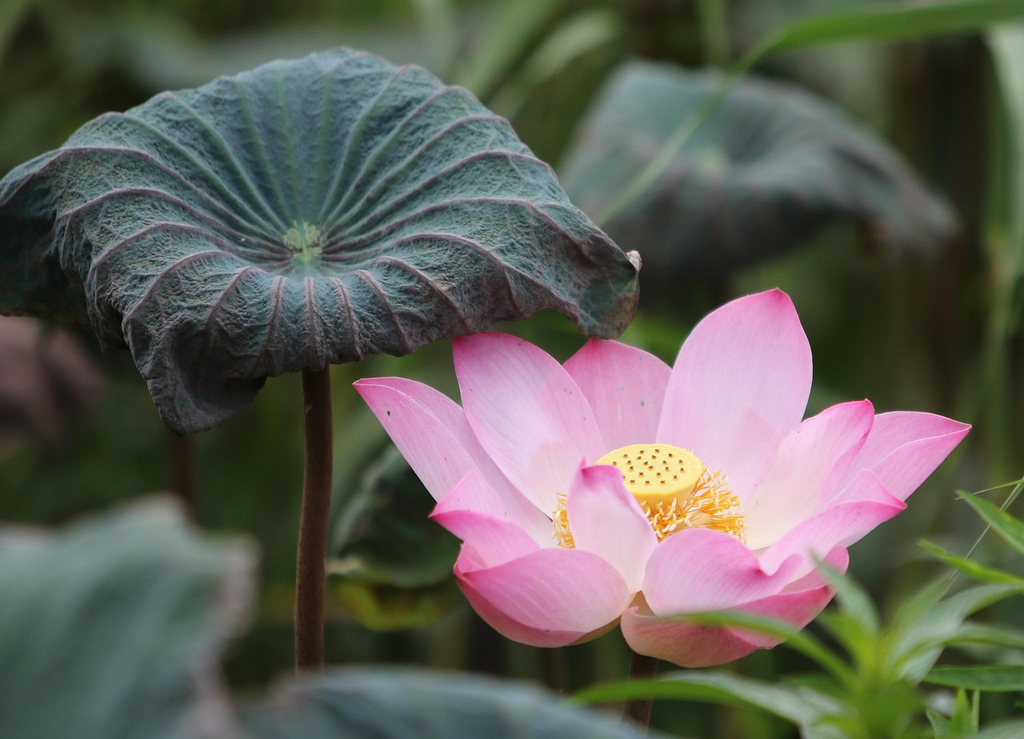
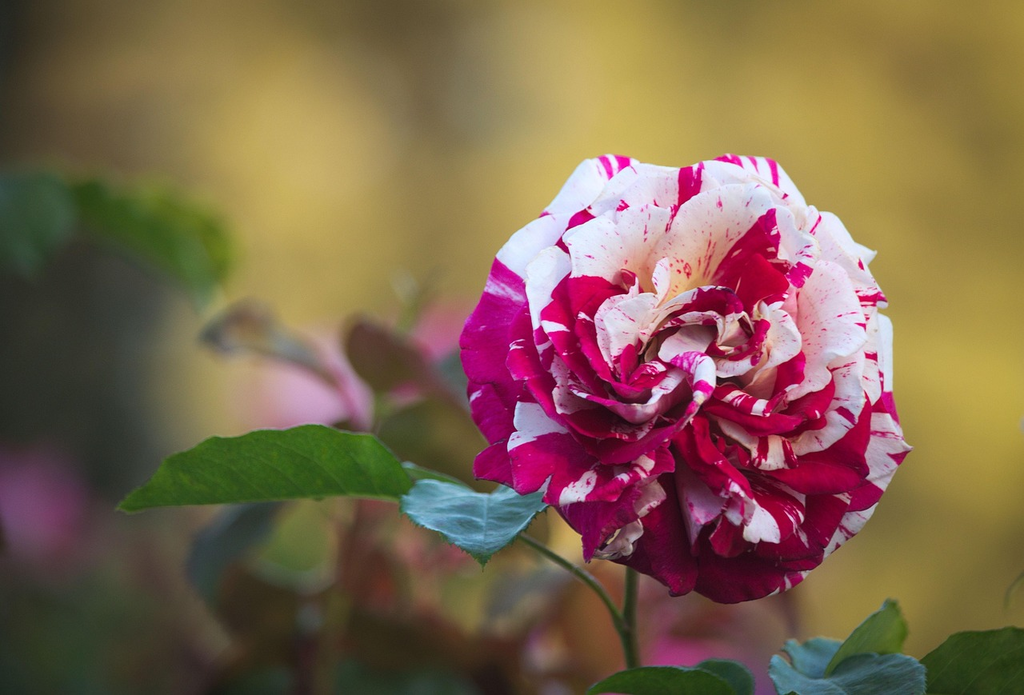
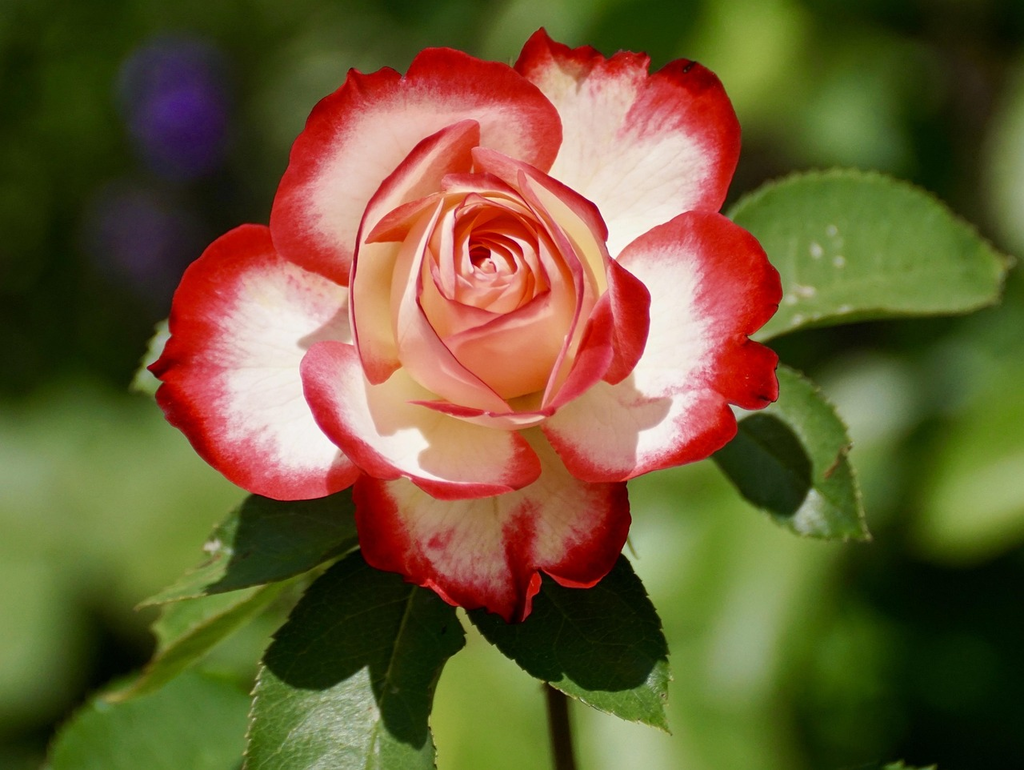
The lotus holds profound cultural significance in art, symbolizing purity, enlightenment, and spiritual awakening across various traditions, especially in Asian cultures. Unlike roses, which often represent love and passion, lotuses are celebrated for their ability to bloom beautifully from muddy waters, embodying resilience and transcendence. Artists frequently depict lotuses to convey themes of rebirth, spiritual growth, and the harmonious connection between humanity and nature, making them enduring motifs in both religious and secular artworks.
Cultural Significance of Lotuses in Art
The lotus holds profound cultural significance in art, symbolizing purity, enlightenment, and spiritual awakening across various traditions, especially in Asian cultures. Unlike roses, which often represent love and passion, lotuses are celebrated for their ability to bloom beautifully from muddy waters, embodying resilience and transcendence. Artists frequently depict lotuses to convey themes of rebirth, spiritual growth, and the harmonious connection between humanity and nature, making them enduring motifs in both religious and secular artworks.
💡 Key Takeaways
- Explore how the lotus symbolizes purity, spiritual awakening, and rebirth across cultures in art.
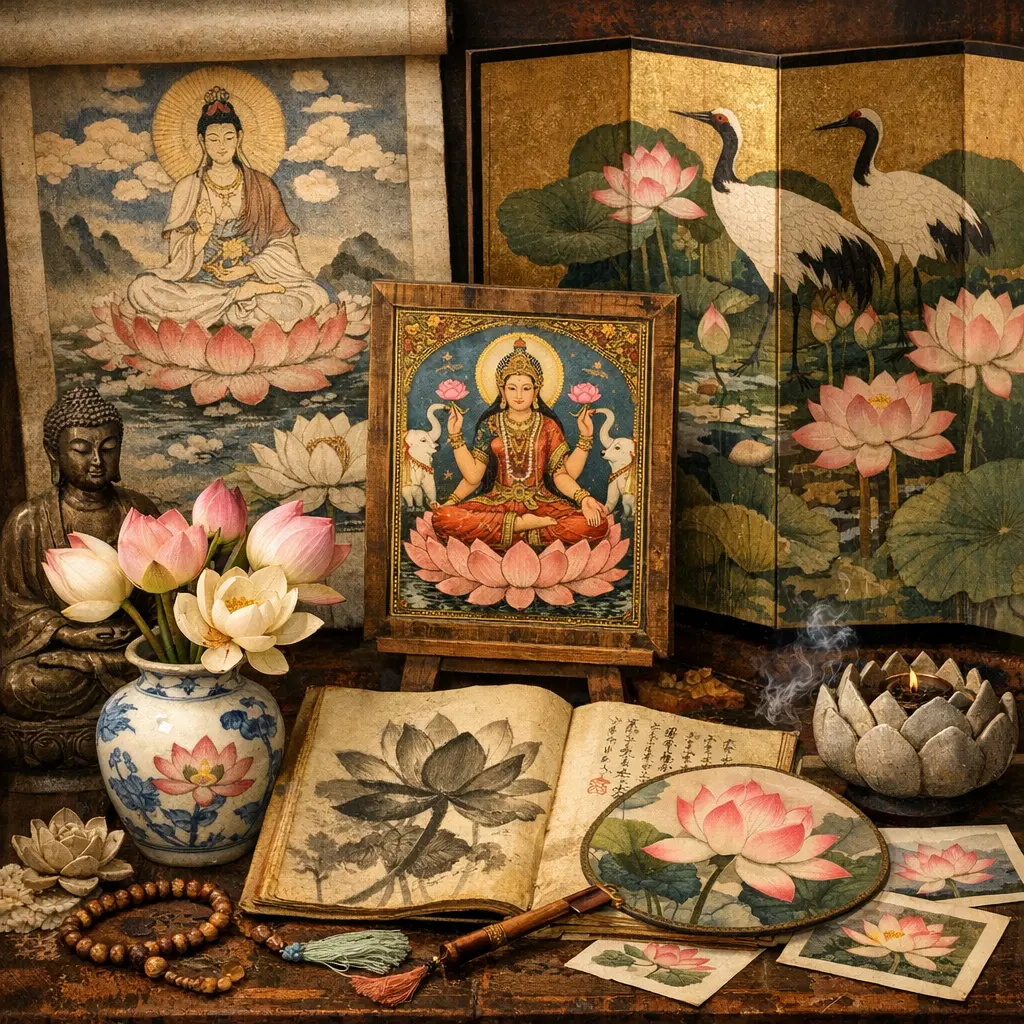
- See how lotus imagery appears in religious sculpture and paintings, such as lotus thrones and petal halos for deities.
- Compare lotus symbolism in Hindu, Buddhist, Egyptian, and East Asian art traditions.
- Identify how color and composition of lotus motifs convey different meanings (pink/white/blue petals, symmetry, and water symbolism).
❓ Frequently Asked Questions
What does the lotus symbolize in art?
The lotus often represents purity, spiritual growth, and rebirth. Its ability to bloom from muddy waters signifies rising above adversity to reach enlightenment.
How is the lotus used in Hindu and Buddhist art?
In Hindu art, gods and goddesses are frequently shown with a lotus or seated on a lotus throne. In Buddhist art, the lotus serves as a divine throne for buddhas and bodhisattvas, symbolizing awakening.
What is the difference between pink and blue lotus in symbolism?
Pink lotus commonly denotes spiritual significance and the historical Buddha; blue lotus is linked to wisdom, insight, and inner strength. Meanings can vary by culture.
In which art traditions is lotus imagery common?
Lotus motifs appear in Indian temple sculpture and metalwork, Buddhist statues and paintings across Asia, and Chinese/Japanese ceramics and painting, as well as Southeast Asian temple art.