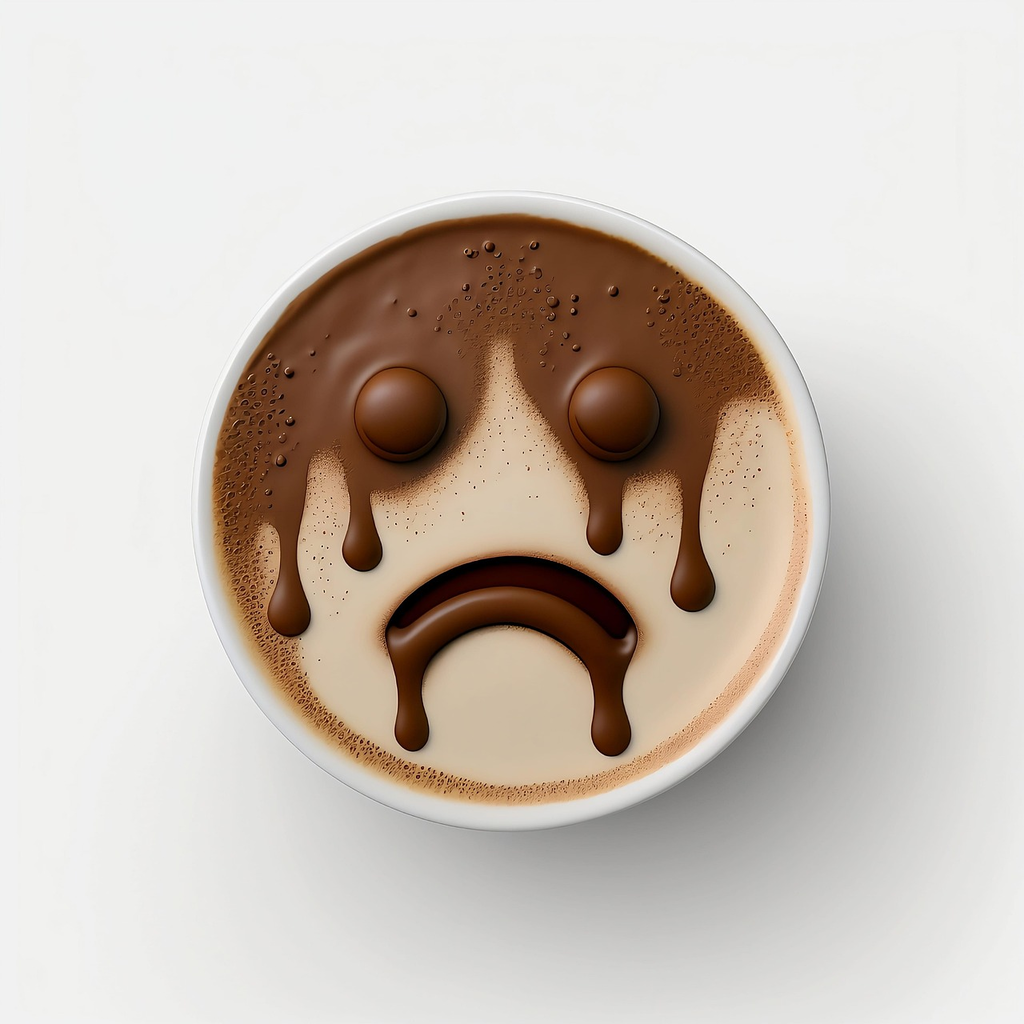
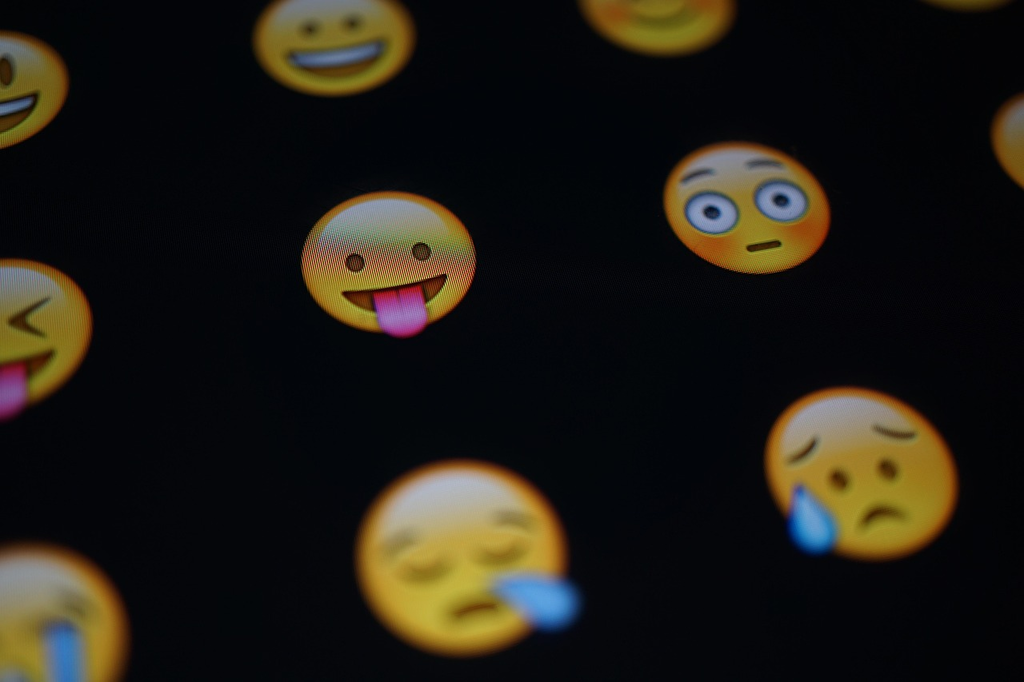
Cultural variations in smiley emojis refer to the different ways people from diverse backgrounds interpret and use smile and tear-related emojis to express emotions. While a smiling emoji may convey happiness in one culture, it might be seen as sarcasm or awkwardness in another. Similarly, tear emojis can signify joy, sadness, or empathy depending on cultural context. These differences highlight the importance of understanding local meanings when communicating with emojis globally.
Cultural Variations in Smiley Emojis
Cultural variations in smiley emojis refer to the different ways people from diverse backgrounds interpret and use smile and tear-related emojis to express emotions. While a smiling emoji may convey happiness in one culture, it might be seen as sarcasm or awkwardness in another. Similarly, tear emojis can signify joy, sadness, or empathy depending on cultural context. These differences highlight the importance of understanding local meanings when communicating with emojis globally.
💡 Key Takeaways
- Understand how smiley emojis can convey different emotions across cultures.
- Recognize regional differences in emoji design and usage patterns.
- Identify common cross-cultural misunderstandings when interpreting emojis in communication.
- Apply best practices for culturally sensitive emoji use in multicultural conversations.
❓ Frequently Asked Questions
What is kaomoji and how does it differ from standard emoji?
Kaomoji are text-based emoticons (like ^_^ or (^_^) ) popular in Japan; emoji are pictographic symbols that appear as images across devices.
Why do people in different cultures sometimes prefer different smiley expressions?
Cultural norms shape how much emotion is shown; some cultures favor polite, restrained smiles, others encourage warmer, wider expressions.
How might a grinning face be interpreted differently across cultures?
Typically positive, but tone can vary by context; what feels enthusiastic in one culture may seem loud or playful in another.
What should you consider when interpreting smiley emojis in a cross-cultural quiz?
Consider the audience, context, and cultural differences—don’t assume a single universal meaning.
Are there emoji variants that can lead to miscommunication between cultures?
Yes; meanings can vary by region and platform, so rely on contextual cues and, if in doubt, textual hints.