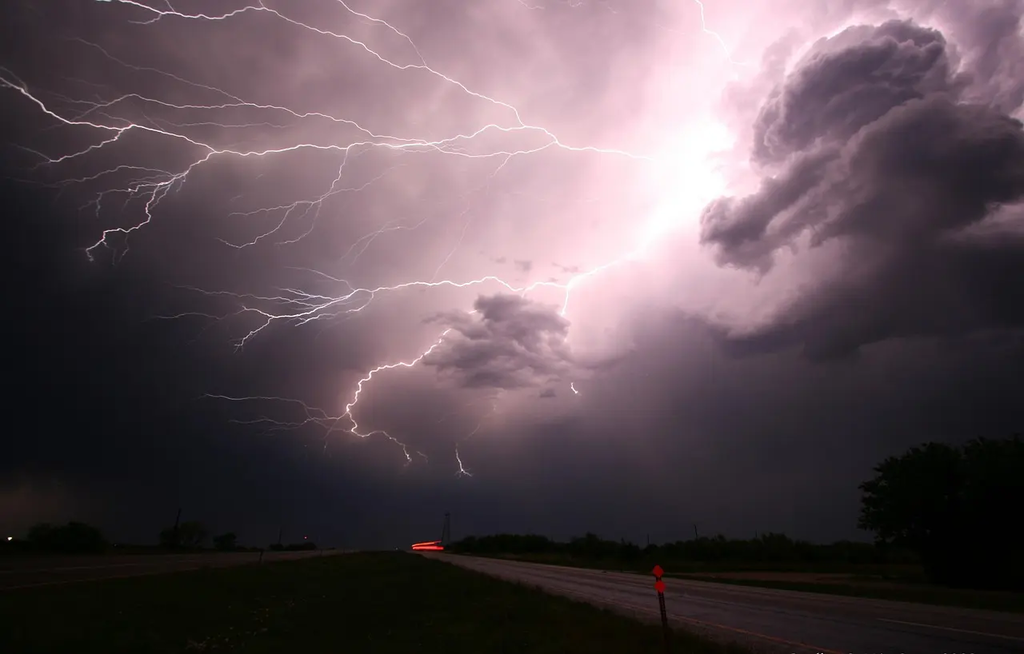
Cyclogenesis refers to the development or strengthening of cyclonic weather systems, such as low-pressure areas, storms, or hurricanes. This natural process involves the rapid intensification of wind and cloud patterns, often leading to severe weather conditions like heavy rain, strong winds, and thunderstorms. Cyclogenesis showcases nature’s scary side by creating powerful and sometimes destructive storms that can impact large regions, posing risks to life, property, and the environment.
Cyclogenesis
Cyclogenesis refers to the development or strengthening of cyclonic weather systems, such as low-pressure areas, storms, or hurricanes. This natural process involves the rapid intensification of wind and cloud patterns, often leading to severe weather conditions like heavy rain, strong winds, and thunderstorms. Cyclogenesis showcases nature’s scary side by creating powerful and sometimes destructive storms that can impact large regions, posing risks to life, property, and the environment.

💡 Key Takeaways
- Define cyclogenesis and its importance in weather systems.
- Identify key atmospheric conditions that promote cyclogenesis, such as low-pressure development and temperature contrasts.
- Describe the typical life cycle of a mid-latitude cyclone from disturbance to occlusion.
- Differentiate between tropical and extratropical cyclogenesis and where each type forms.
❓ Frequently Asked Questions
What is cyclogenesis?
Cyclogenesis is the development or strengthening of a cyclone (a low‑pressure system), commonly occurring in mid‑latitude regions.
What atmospheric conditions promote cyclogenesis?
Contrasting air masses (warm air advection ahead of a low and cold air behind), surface low formation, and dynamic support from upper‑level features like troughs or jet streaks.
How does the jet stream affect cyclogenesis?
The jet stream can create upper‑level divergence that enhances rising motion, helping a surface low deepen and organize into a cyclone.
What role do warm and cold fronts play in cyclogenesis?
Fronts focus lifting and moisture, with warm air rising ahead of the warm front and cold air wrapping behind the low, strengthening the cyclone and shaping its structure.
What are the typical stages in the lifecycle of a mid‑latitude cyclone?
Formation (cyclogenesis), a mature phase with well‑defined fronts, and eventual occlusion and decay as the system loses energy.