Data and AI are transforming the UK food retail and delivery sector by enabling personalized recommendations, optimizing supply chains, and improving inventory management. Retailers use advanced analytics to predict consumer demand, reduce waste, and enhance customer experiences. AI-driven automation streamlines operations, from order processing to last-mile delivery. These technologies also support dynamic pricing and targeted marketing, helping businesses stay competitive and responsive to rapidly changing market trends.
Data and AI in UK food retail and delivery
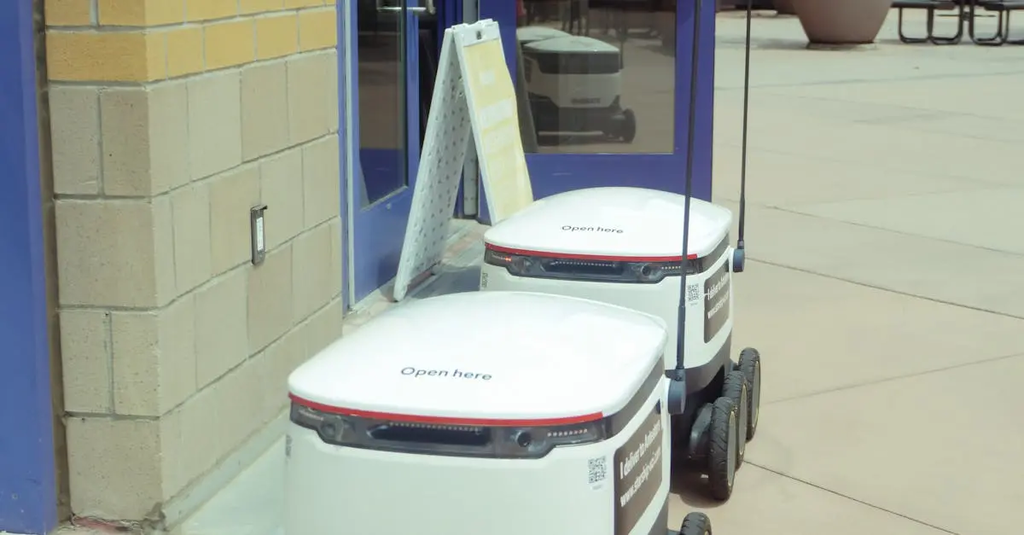
Data and AI are transforming the UK food retail and delivery sector by enabling personalized recommendations, optimizing supply chains, and improving inventory management. Retailers use advanced analytics to predict consumer demand, reduce waste, and enhance customer experiences. AI-driven automation streamlines operations, from order processing to last-mile delivery. These technologies also support dynamic pricing and targeted marketing, helping businesses stay competitive and responsive to rapidly changing market trends.
💡 Key Takeaways
- How predictive analytics support demand forecasting and inventory planning in UK food retail and delivery.
- How AI enables personalized recommendations and promotions from customer data.
- How data-driven supply chain optimization reduces waste and improves delivery in the UK.
- How AI-powered automation in stores and warehouses boosts efficiency and customer experience.
- Ethical and privacy considerations when using data and AI in UK food retail.
❓ Frequently Asked Questions
What is data analytics in UK food retail and delivery?
Data analytics uses information from sales, loyalty programs, online activity, and supply chains to forecast demand, optimize inventory, and tailor offers for customers.
How do personalized recommendations work for UK grocery shoppers?
Algorithms analyze your past purchases, browsing, and regional trends to suggest relevant products and deals, making shopping quicker and more relevant.
How does AI help optimize supply chains and reduce waste?
AI models predict demand by area and season, optimize orders and delivery routes, and adjust stock levels and pricing to minimize waste and stockouts.
What privacy and ethics considerations apply when using customer data in UK food retail AI?
Retailers must follow UK GDPR, obtain consent, minimize data collection, secure data, and be transparent about usage while monitoring for bias to ensure fair treatment.