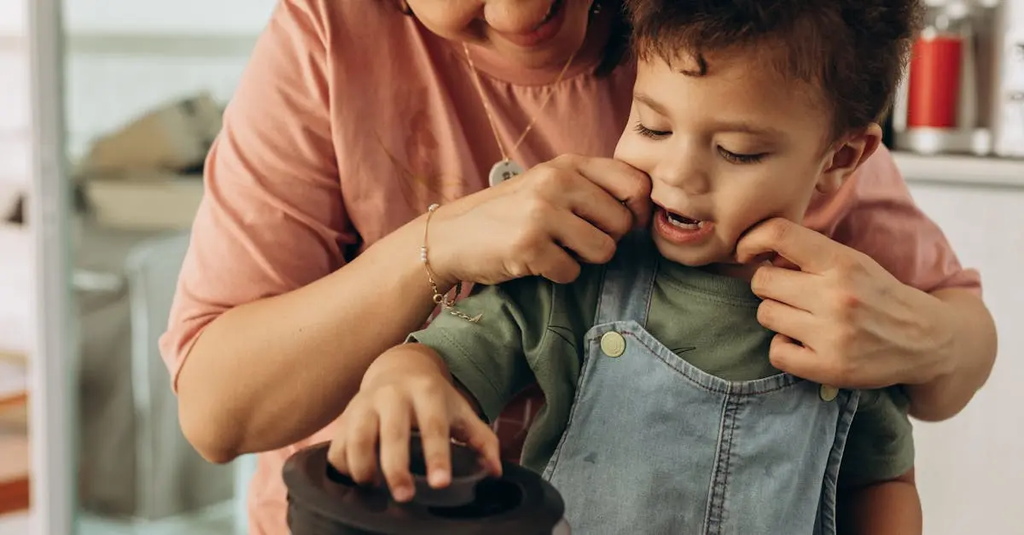
Designing family culture involves intentionally shaping the values, traditions, behaviors, and communication styles within a family. It means making conscious choices about routines, rituals, and shared beliefs to foster a supportive and nurturing environment. By collaboratively establishing expectations and celebrating unique family traits, members create a sense of belonging and identity. This proactive approach helps families navigate challenges, strengthen relationships, and pass down meaningful practices to future generations.
Designing Family Culture
Designing family culture involves intentionally shaping the values, traditions, behaviors, and communication styles within a family. It means making conscious choices about routines, rituals, and shared beliefs to foster a supportive and nurturing environment. By collaboratively establishing expectations and celebrating unique family traits, members create a sense of belonging and identity. This proactive approach helps families navigate challenges, strengthen relationships, and pass down meaningful practices to future generations.
💡 Key Takeaways
- Define core family values that guide how members relate to each other and discuss dating.
- Create routines and rituals that foster connection, trust, and emotional safety.
- Establish open, respectful communication norms and healthy conflict-resolution habits.
- Collaboratively set expectations, boundaries, and decision-making around dating and family roles as situations evolve.
❓ Frequently Asked Questions
What does 'designing family culture' mean?
Intentionally shaping your family's values, traditions, routines, and communication to create a supportive, nurturing environment.
Why are routines and rituals important in family culture?
They provide consistency, belonging, and shared meaning, helping members feel connected and supported.
How can a family collaboratively establish expectations and norms?
Have a family conversation, identify core values, agree on rules and boundaries, write a family charter, and revisit it over time.
How does family culture influence dating and relationships?
It shapes norms for respect, communication, boundaries, and conflict resolution, helping partners understand each other’s expectations and fit with the family.
What are practical first steps to design your family culture?
Choose a few core values, establish a simple weekly ritual, set clear communication goals, involve everyone, and review progress regularly.