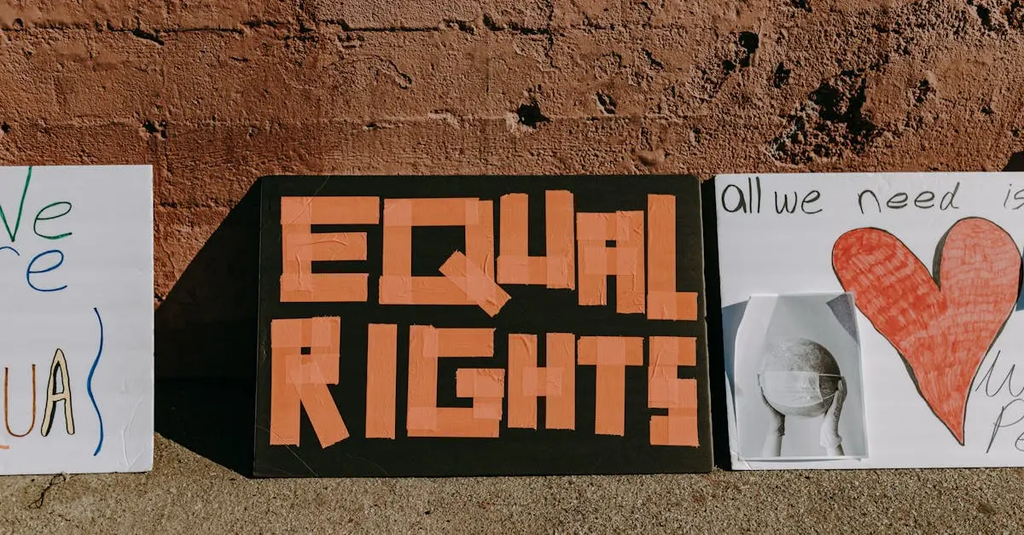
Diaspora and transnational art refers to creative works produced by artists who live outside their ancestral homelands, often navigating multiple cultures and identities. This art form explores themes of migration, belonging, identity, and cultural hybridity. It challenges traditional boundaries, blending influences from various cultures and experiences. By doing so, diaspora and transnational art fosters dialogue about displacement, adaptation, and the global movement of people, enriching contemporary artistic expression and understanding.
Diaspora and Transnational Art
Diaspora and transnational art refers to creative works produced by artists who live outside their ancestral homelands, often navigating multiple cultures and identities. This art form explores themes of migration, belonging, identity, and cultural hybridity. It challenges traditional boundaries, blending influences from various cultures and experiences. By doing so, diaspora and transnational art fosters dialogue about displacement, adaptation, and the global movement of people, enriching contemporary artistic expression and understanding.
💡 Key Takeaways
- Define diaspora and transnational art and explain how living across borders shapes an artist's practice.
- Identify core themes such as migration, belonging, identity, and cultural hybridity in artworks.
- Explain how artists blend multiple cultures, languages, and visual vocabularies across borders in both creation and reception.
- Analyze how diaspora art challenges traditional boundaries of nation, canon, and art history, and how curators reflect transnational perspectives.
❓ Frequently Asked Questions
What is diaspora art?
Art created by artists living outside their ancestral homeland, often reflecting displacement and cross-cultural experiences.
What is transnational art?
Art that crosses national borders, blending styles, ideas, and histories from several cultures to blur traditional boundaries.
What themes are commonly explored in diaspora and transnational art?
Migration, belonging, identity, hybridity, memory, and cultural exchange.
How do artists navigate multiple cultures in their work?
They blend symbols and aesthetics from home and host cultures, use intercultural references, and reinterpret traditions to express mixed identities.
Why is diaspora art significant in art history?
It challenges single-nation narratives and reveals dynamic networks of exchange and identity in a globalized world.