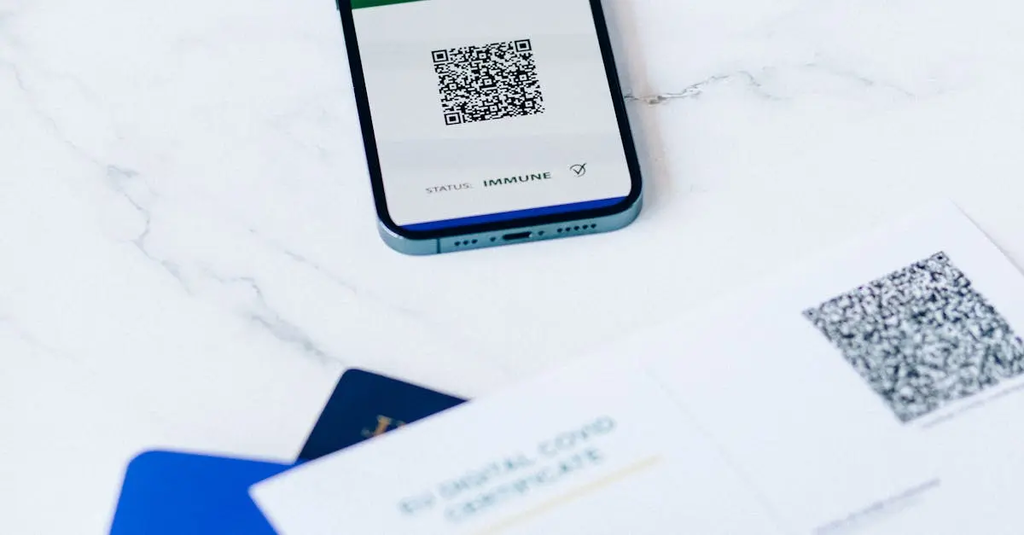
Digital identity refers to the online representation of an individual or entity, encompassing personal information, credentials, and attributes used for authentication and access. Verifiable credentials are digital statements issued by trusted parties that can be cryptographically proven and shared securely. Together, they enable individuals to control and share their identity information safely, enhancing privacy, reducing fraud, and streamlining verification processes across digital platforms and services.
Digital Identity & Verifiable Credentials
Digital identity refers to the online representation of an individual or entity, encompassing personal information, credentials, and attributes used for authentication and access. Verifiable credentials are digital statements issued by trusted parties that can be cryptographically proven and shared securely. Together, they enable individuals to control and share their identity information safely, enhancing privacy, reducing fraud, and streamlining verification processes across digital platforms and services.
💡 Key Takeaways
- Define digital identity and what it includes (data, credentials, and attributes) used for authentication and access.
- Explain verifiable credentials and how trusted issuers cryptographically attest statements.
- Describe how cryptographic proofs enable secure, verifiable sharing of credentials with services.
- Identify privacy, consent, and security considerations when managing online identities and credentials.
- Recognize common risks and best practices to protect digital identities (e.g., MFA, secure storage, device security).
❓ Frequently Asked Questions
What is digital identity?
Digital identity is the online representation of a person or organization, including personal data, accounts, and attributes used to verify who you are and what you can access.
What are verifiable credentials?
Verifiable credentials are digital statements issued by trusted parties about you (for example, age, qualifications) that can be cryptographically proven and shared with others.
Who are the main roles in verifiable credentials?
Issuer creates credentials; holder stores them (often in a digital wallet); verifier checks them to confirm the claim before granting access.
How do verifiable credentials protect your privacy?
They use cryptographic proofs to verify claims without revealing unnecessary data, and you can share only the attributes that are needed.
What is a digital wallet in this context?
A secure app or service that stores your verifiable credentials and lets you control what information you share with verifiers.