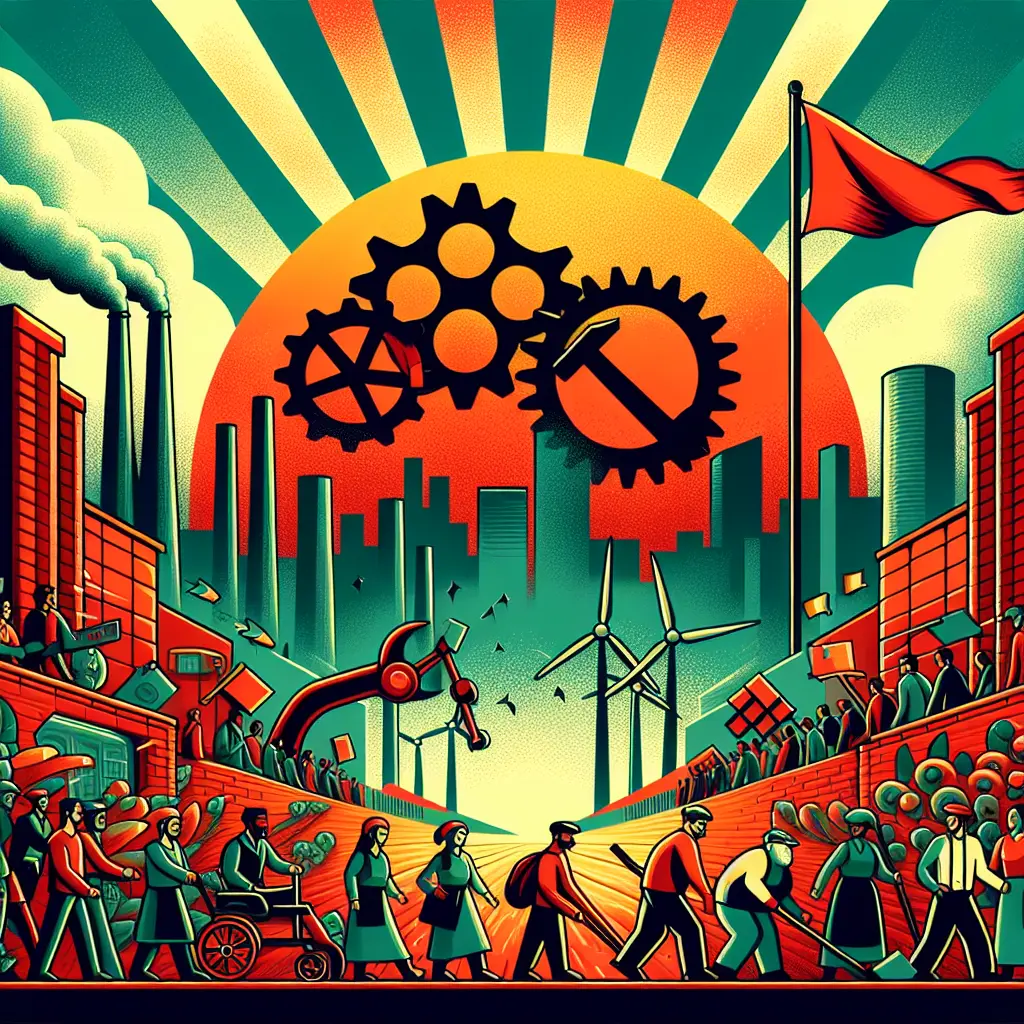
Distributive justice refers to the fair and equitable allocation of resources, opportunities, and responsibilities within a society. It emphasizes ensuring that individuals receive their due share based on principles such as need, merit, or equality. The concept addresses issues like income distribution, access to education, and social welfare, aiming to reduce inequalities and promote social harmony by ensuring that benefits and burdens are distributed justly among all members of a community.
Distributive Justice
Distributive justice refers to the fair and equitable allocation of resources, opportunities, and responsibilities within a society. It emphasizes ensuring that individuals receive their due share based on principles such as need, merit, or equality. The concept addresses issues like income distribution, access to education, and social welfare, aiming to reduce inequalities and promote social harmony by ensuring that benefits and burdens are distributed justly among all members of a community.

💡 Key Takeaways
- Define distributive justice as the fair allocation of resources, opportunities, and responsibilities.
- Examine allocation principles: need, merit, and equality, and their policy implications.
- Compare major theories on distribution: Rawlsian justice, utilitarianism, and libertarianism.
- Apply distributive justice to real-world issues like taxation, welfare, education access, and healthcare.
❓ Frequently Asked Questions
What is distributive justice?
Distributive justice is the fair and equitable allocation of resources, opportunities, and responsibilities within a society, aiming for individuals to receive their due share.
What principles guide distributive justice?
Distributive justice often relies on principles such as need (prioritizing those with greater need), merit (rewarding effort or contribution), and equality (seeking equal shares or equal treatment).
How does distributive justice apply to income distribution?
It concerns how income and other resources are divided among people, aiming for fairness by applying criteria like need, merit, or equality.
Why is understanding distributive justice important in ethics?
Because it helps evaluate whether a society's allocation of resources and opportunities is fair, addressing issues of fairness, opportunity, and responsibilities for all members.