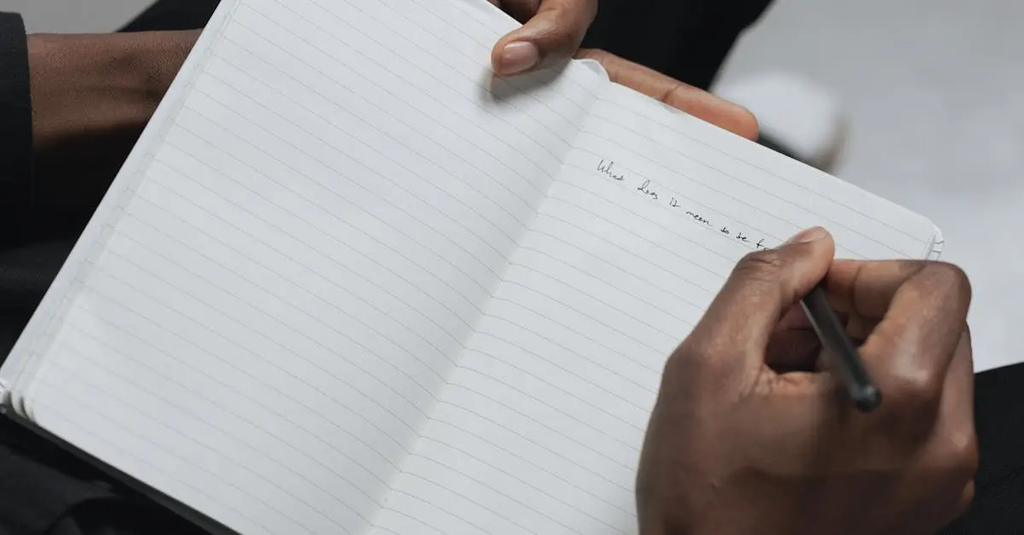
Drafting efficiently involves transforming initial ideas into a structured first draft, then systematically refining it through revisions. This process includes organizing thoughts, addressing clarity and coherence, and correcting errors. By focusing on clear objectives and prioritizing major improvements before minor edits, writers streamline their workflow. The goal is to progress from a rough outline to a polished, well-crafted final piece, saving time while maintaining quality and effectiveness in communication.
Drafting Efficiently (First Draft to Polished)
Drafting efficiently involves transforming initial ideas into a structured first draft, then systematically refining it through revisions. This process includes organizing thoughts, addressing clarity and coherence, and correcting errors. By focusing on clear objectives and prioritizing major improvements before minor edits, writers streamline their workflow. The goal is to progress from a rough outline to a polished, well-crafted final piece, saving time while maintaining quality and effectiveness in communication.

💡 Key Takeaways
- Start with a clear objective and outline to guide your first draft.
- Organize ideas into a logical structure (introduction, body, conclusion) to improve coherence.
- Revise in stages: focus on major improvements to argument, flow, and evidence before line editing.
- Polish the draft by correcting grammar, punctuation, and style after content is solid.
❓ Frequently Asked Questions
What is the purpose of a first draft in academic writing?
A first draft captures ideas and a workable structure without aiming for perfection. It prioritizes content, organization, and flow over polished wording.
How can you organize thoughts quickly for a first draft?
Create a simple outline or use a reverse outline: list main points, group related ideas, and arrange them in a logical order to cover your thesis.
In revision, what should you prioritize first?
Focus on big-picture elements first: thesis clarity, argument coherence, and whether each section serves the main objective, then move to sentence-level clarity and correctness.
How can you improve coherence across paragraphs?
Use clear topic sentences, transitional phrases, consistent voice, and ensure each paragraph links to the thesis and advances the argument.
What are practical strategies to draft efficiently?
Set clear objectives, time-box drafting, write freely to get ideas down, then revise in stages—first structure, then language, then references and accuracy.