Drywall repair and finishing involves fixing damaged or imperfect drywall surfaces and preparing them for painting or other finishes. This process includes patching holes, cracks, or dents, applying joint compound, sanding for smoothness, and ensuring seamless blending with existing walls. Proper drywall finishing creates a flawless surface, enhances the appearance of interiors, and is essential for both new construction and renovation projects to achieve professional, long-lasting results.
Drywall Repair & Finishing
Drywall repair and finishing involves fixing damaged or imperfect drywall surfaces and preparing them for painting or other finishes. This process includes patching holes, cracks, or dents, applying joint compound, sanding for smoothness, and ensuring seamless blending with existing walls. Proper drywall finishing creates a flawless surface, enhances the appearance of interiors, and is essential for both new construction and renovation projects to achieve professional, long-lasting results.
💡 Key Takeaways
- Recognize common drywall damage types (holes, cracks, dents) and choose suitable patching methods.
- Apply joint compound in thin coats, build up layers, and feather edges for a seamless blend.
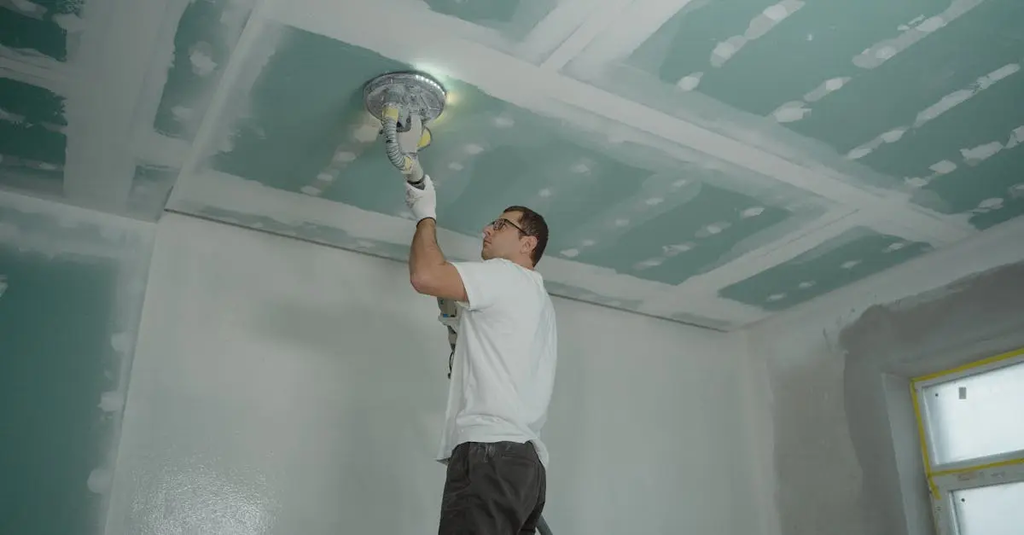
- Sand between coats and finish with a smooth surface ready for primer and paint.
- Select and use the right tools, materials, and safety practices for efficient drywall repair and finishing.
❓ Frequently Asked Questions
What is drywall repair and finishing?
Repairing damaged drywall surfaces and prepping them for paint by patching holes/cracks/dents, applying joint compound, sanding smooth, and blending with the surrounding walls.
What steps are involved in repairing a hole or crack?
Assess the damage, patch with a patch or backing, apply joint compound in thin coats with feathered edges, let each coat dry, sand between coats, and blend into the wall.
What types of joint compound should I use?
Use lightweight or all-purpose joint compound for most repairs; setting-type (powder) compound works well for faster set or larger patches, depending on the project.
How do you achieve a seamless finish with existing walls?
Feather the edges with thin coats of joint compound, sand smooth, prime the repaired area, and then paint to match the surrounding wall.
Is priming necessary after drywall finishing?
Yes. Priming seals fresh compound, improves adhesion, and helps achieve an even paint finish.