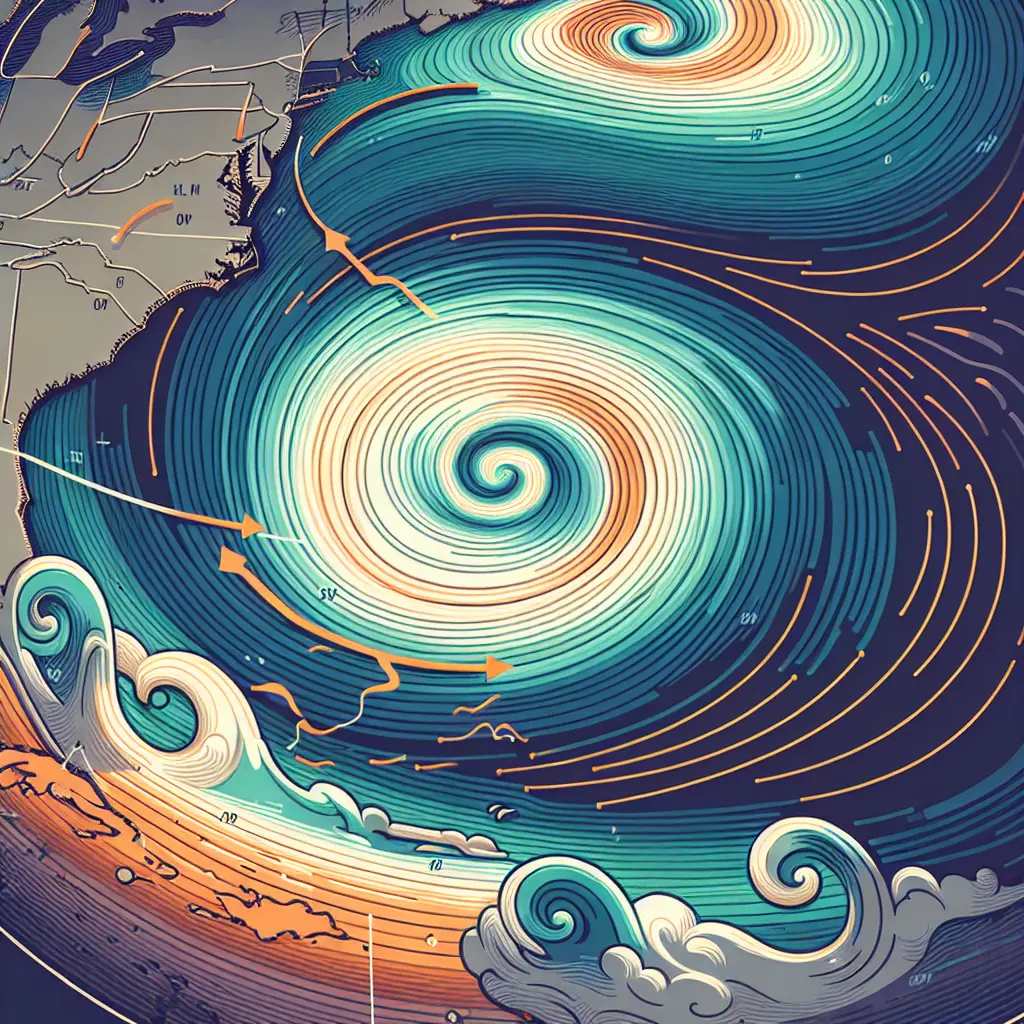
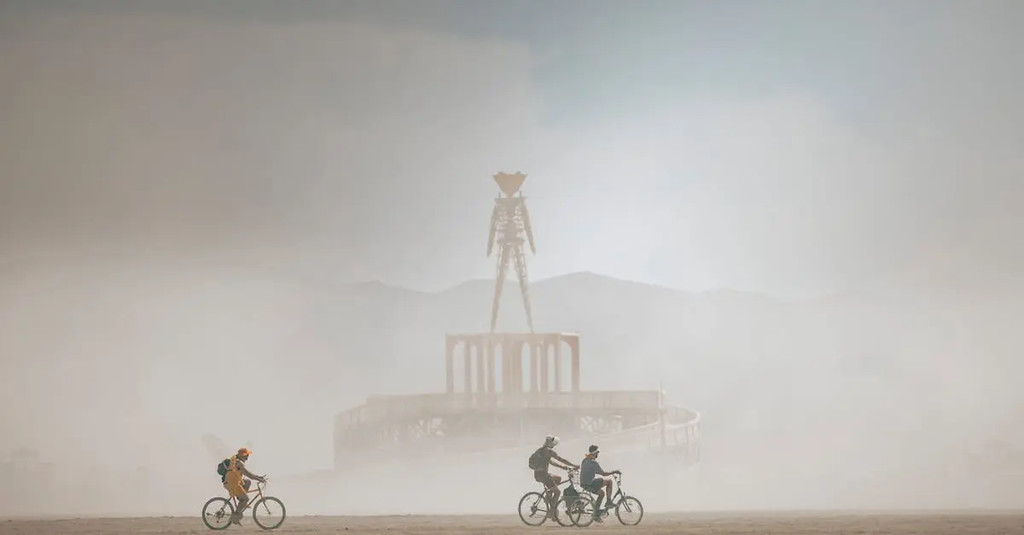
Dust storms and haboobs are intense weather phenomena characterized by strong winds lifting large amounts of dust and sand into the air, drastically reducing visibility and air quality. Haboobs, a type of dust storm, are particularly dramatic, forming along the leading edge of thunderstorms. Both can disrupt transportation, damage property, and pose health risks due to inhalation of fine particles, especially in arid and semi-arid regions where dry soil is easily picked up by gusty winds.
Dust Storms and Haboobs
Dust storms and haboobs are intense weather phenomena characterized by strong winds lifting large amounts of dust and sand into the air, drastically reducing visibility and air quality. Haboobs, a type of dust storm, are particularly dramatic, forming along the leading edge of thunderstorms. Both can disrupt transportation, damage property, and pose health risks due to inhalation of fine particles, especially in arid and semi-arid regions where dry soil is easily picked up by gusty winds.
💡 Key Takeaways
- Understand what dust storms and haboobs are and how they differ from typical storms.
- Learn how strong winds lift dust and sand, leading to reduced visibility and poorer air quality.
- Explain how haboobs form along the leading edge of thunderstorms and why they can be particularly dramatic.
- Identify the impacts of dust storms on health, safety, and infrastructure, including air quality concerns.
- Explore regions prone to dust storms and haboobs and how land use and climate influence their frequency.
❓ Frequently Asked Questions
What is a dust storm?
A weather event where strong winds lift large amounts of dust and sand into the air, greatly reducing visibility and air quality over a wide area.
What is a haboob?
A type of dust storm formed along the leading edge of a thunderstorm, creating a dramatic wall of dust that can move ahead of the storm.
How do dust storms and haboobs form?
They develop when powerful winds pick up loose soil and sand; haboobs specifically arise from thunderstorm gust fronts that push dust outward.
What are the health and safety impacts?
Reduced visibility and air quality can irritate eyes, nose, and lungs, worsen asthma or bronchitis, and increase driving hazards.
How can you stay safe during a dust storm or haboob?
Seek shelter indoors, close windows and doors, use a filtered indoor air source, and avoid driving if possible; if outside, cover your nose and mouth and protect your eyes.