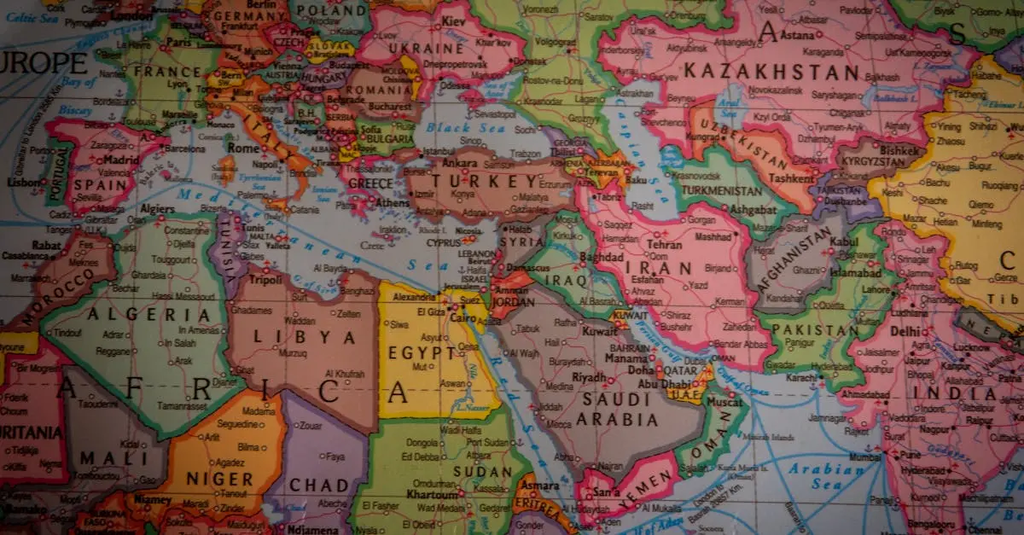
Earth science is the study of the planet’s physical characteristics, including its structure, processes, and history. It encompasses fields like geology, meteorology, oceanography, and environmental science. Weather, a key aspect of earth science, refers to the daily atmospheric conditions such as temperature, precipitation, and wind. Understanding earth science and weather helps us predict natural events, manage resources, and address environmental challenges impacting life on Earth.
Earth Science and Weather
Earth science is the study of the planet’s physical characteristics, including its structure, processes, and history. It encompasses fields like geology, meteorology, oceanography, and environmental science. Weather, a key aspect of earth science, refers to the daily atmospheric conditions such as temperature, precipitation, and wind. Understanding earth science and weather helps us predict natural events, manage resources, and address environmental challenges impacting life on Earth.
💡 Key Takeaways
- Identify the main branches of earth science (geology, meteorology, oceanography, environmental science) and what each studies.
- Explain what weather is and how scientists measure daily atmospheric conditions such as temperature, humidity, wind, and precipitation.
- Differentiate between weather and climate and understand how forecasts are made using data and models.
- Describe basic atmospheric processes that drive weather, including the water cycle, cloud formation, fronts, and pressure systems.
- Recognize common natural hazards (earthquakes, volcanoes, storms) and how scientists monitor them with tools like seismographs and satellites.
❓ Frequently Asked Questions
What is Earth science?
Earth science is the study of Earth's physical characteristics, processes, and history, covering fields like geology, meteorology, oceanography, and environmental science.
What is the difference between weather and climate?
Weather describes short-term atmospheric conditions (temperature, humidity, precipitation, wind) at a location and time; climate is the long-term average and variability of those conditions over decades.
What are the major branches of Earth science?
Major branches include geology (Earth's materials and structure), meteorology (weather and atmospheric processes), oceanography (oceans and their processes), and environmental science (human impacts on Earth's systems).
What is the water cycle?
The water cycle describes how water moves through the environment: evaporation, condensation, precipitation, and collection, driven by energy from the sun and gravity.