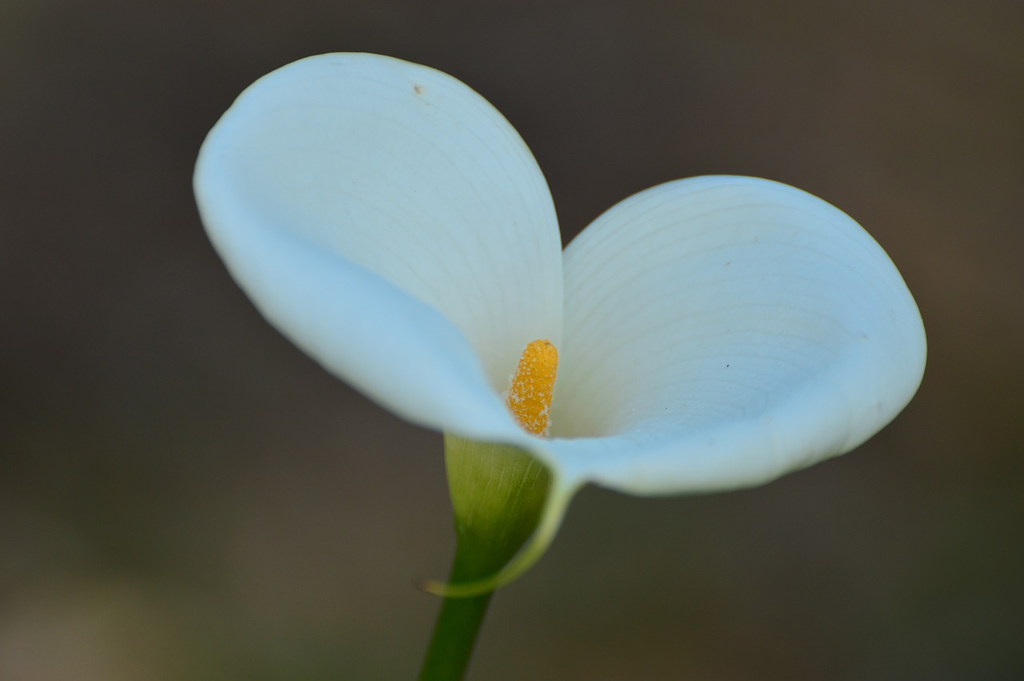
The Easter Lily is a white, trumpet-shaped flower traditionally associated with the Easter holiday. Symbolizing purity, hope, and resurrection, it is often used in Christian celebrations to represent the resurrection of Jesus Christ. The flower’s elegant appearance and pleasant fragrance make it a popular decoration in churches and homes during the Easter season, embodying themes of renewal and new beginnings central to the holiday’s message.
Easter Lily+50
The Easter Lily is a white, trumpet-shaped flower traditionally associated with the Easter holiday. Symbolizing purity, hope, and resurrection, it is often used in Christian celebrations to represent the resurrection of Jesus Christ. The flower’s elegant appearance and pleasant fragrance make it a popular decoration in churches and homes during the Easter season, embodying themes of renewal and new beginnings central to the holiday’s message.
💡 Key Takeaways
- Identify Easter lilies by their white, trumpet-shaped flowers and sweet fragrance.
- Learn basic care: bright, indirect light, well-draining soil, regular watering, and suitable temperatures.
- Recognize common pests and diseases (e.g., lily beetles, Botrytis) and simple prevention/management steps.
- Understand the flowering cycle and post-bloom care to extend the plant’s health and potential rebloom.
❓ Frequently Asked Questions
What is an Easter Lily?
An Easter Lily is a flowering plant, usually Lilium longiflorum, known for large white trumpet-shaped blooms and its association with spring and Easter.
How should I care for an Easter Lily indoors?
Place it in bright, indirect light with well-draining soil. Water when the top inch of soil dries, keeping it evenly moist but not soggy; avoid standing water.
Are Easter Lilies toxic to pets?
Yes, they are highly toxic to cats and can cause kidney problems if ingested; keep lilies out of reach of pets and seek veterinary help if exposure occurs.
When do Easter Lilies bloom and how can I encourage blooms?
They typically bloom in spring. Provide cool temperatures, bright light, and consistent moisture; remove spent blooms to direct energy to remaining flowers.