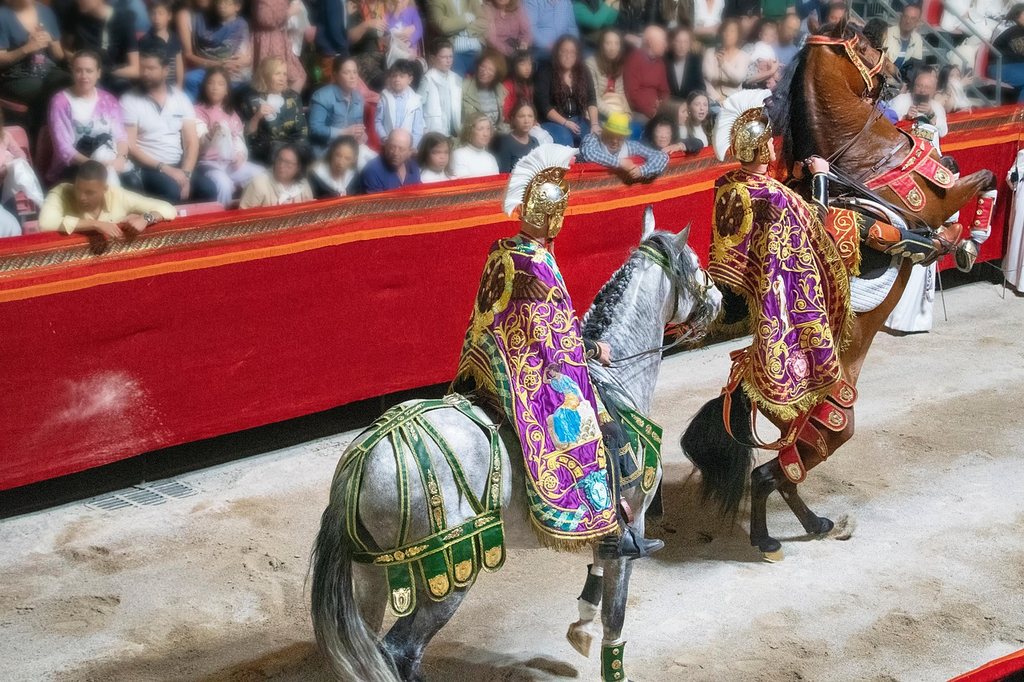
Easter traditions are customs and activities celebrated by Christians and many cultures worldwide to commemorate the resurrection of Jesus Christ. Common practices include attending church services, decorating and hunting for Easter eggs, exchanging chocolate bunnies, and sharing festive meals with family. In some regions, people also participate in parades, light bonfires, or perform traditional dances. These traditions blend religious significance with joyful, communal celebrations, often symbolizing renewal and hope.
Easter Traditions
Easter traditions are customs and activities celebrated by Christians and many cultures worldwide to commemorate the resurrection of Jesus Christ. Common practices include attending church services, decorating and hunting for Easter eggs, exchanging chocolate bunnies, and sharing festive meals with family. In some regions, people also participate in parades, light bonfires, or perform traditional dances. These traditions blend religious significance with joyful, communal celebrations, often symbolizing renewal and hope.
💡 Key Takeaways
- Identify key Easter symbols (eggs, rabbits, lilies) and their meanings.
- Explain how the date of Easter is calculated and why it moves each year.
- Describe common Easter traditions around the world (egg hunts, church services, feasts).
- Understand the historical origins of Easter celebrations and how secular customs have evolved.
❓ Frequently Asked Questions
What is Easter and why is it celebrated?
Easter is a Christian holiday celebrating Jesus’s resurrection. Many customs also come from springtime symbols of rebirth.
Why are eggs and the Easter bunny common symbols?
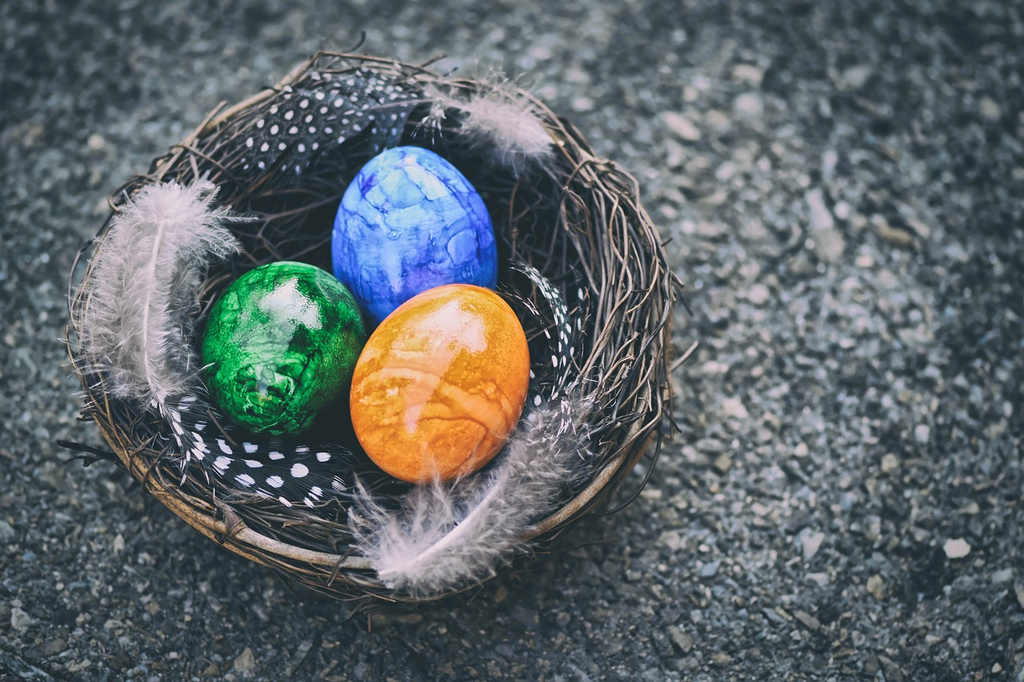
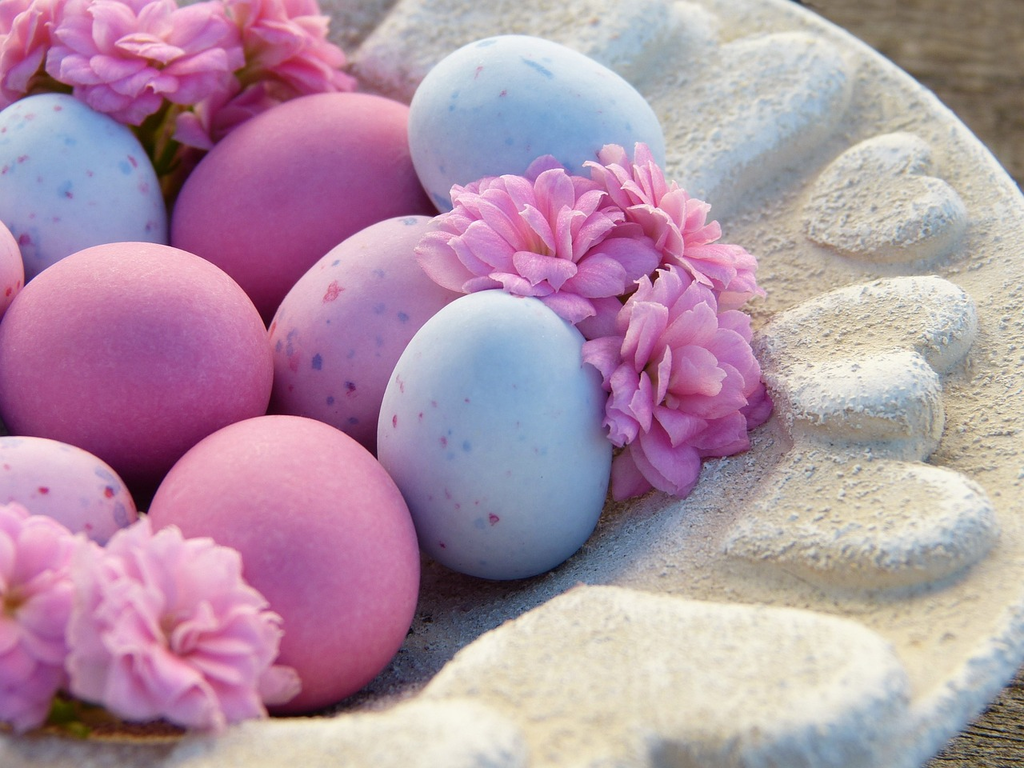
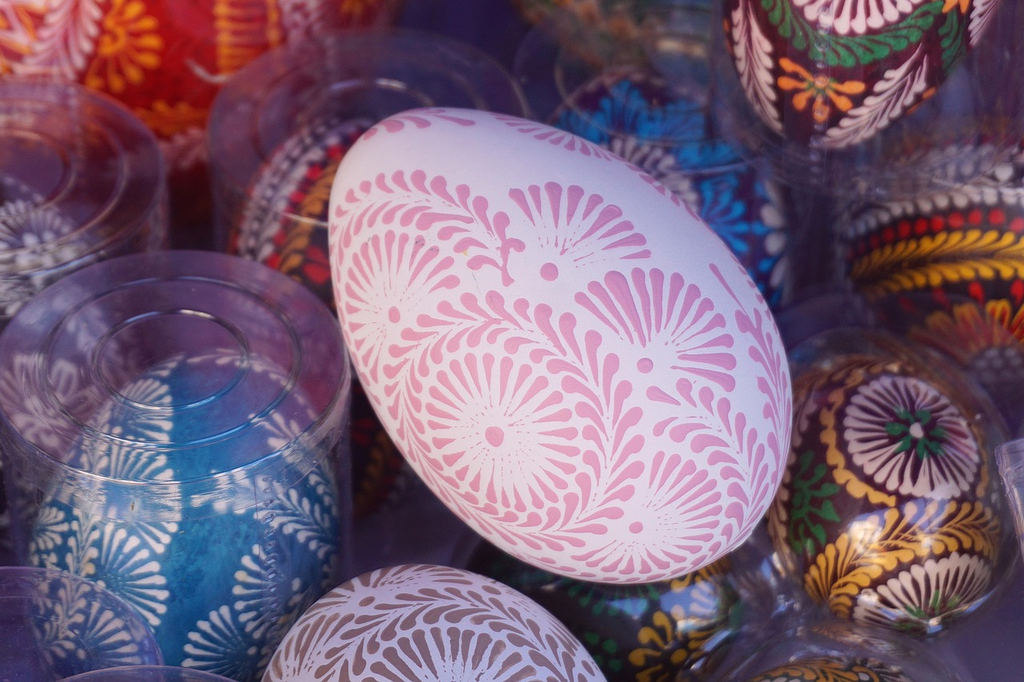
Eggs symbolize new life and rebirth; decorating eggs marks the Easter celebration. The Easter Bunny, from German folklore, is a playful bringer of eggs.
What are some traditional Easter foods?
Common foods include decorated eggs, hot cross buns, and regional dishes like roasted lamb or festive breads.
What are common Easter activities and observances?
Activities often include egg hunts and decorating, family meals, and church services or processions on Easter Sunday.
Do Easter dates vary across cultures?
Yes. Western and Eastern churches often celebrate on different dates due to using different calendars.