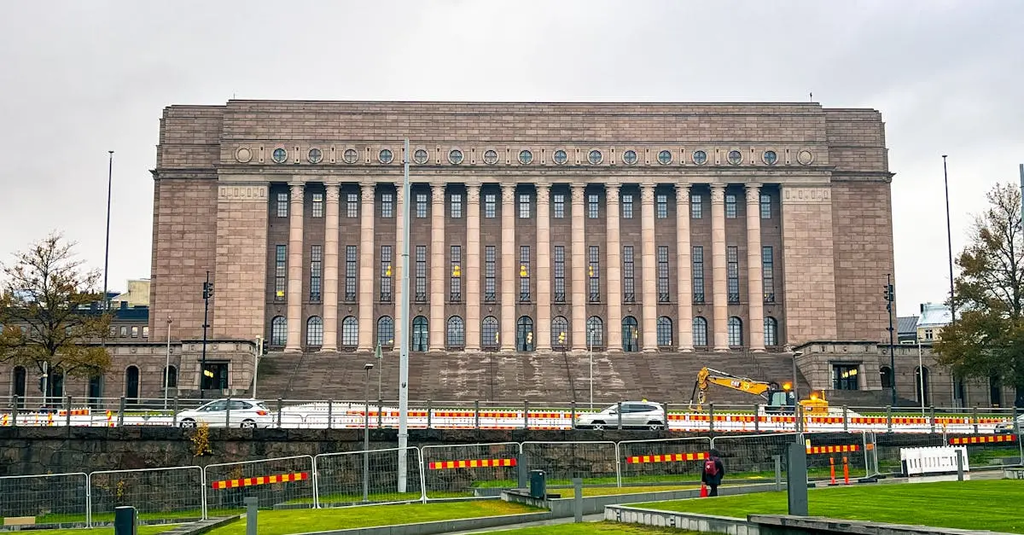
Education policy reform refers to the process of making changes or improvements to existing educational laws, regulations, and practices. Its goal is to enhance the quality, accessibility, and effectiveness of education systems. Reforms may address issues such as curriculum updates, teacher training, assessment methods, funding distribution, or equity in education. By implementing policy reforms, governments and institutions aim to better prepare students for future challenges and promote social and economic development.
Education Policy Reform
Education policy reform refers to the process of making changes or improvements to existing educational laws, regulations, and practices. Its goal is to enhance the quality, accessibility, and effectiveness of education systems. Reforms may address issues such as curriculum updates, teacher training, assessment methods, funding distribution, or equity in education. By implementing policy reforms, governments and institutions aim to better prepare students for future challenges and promote social and economic development.
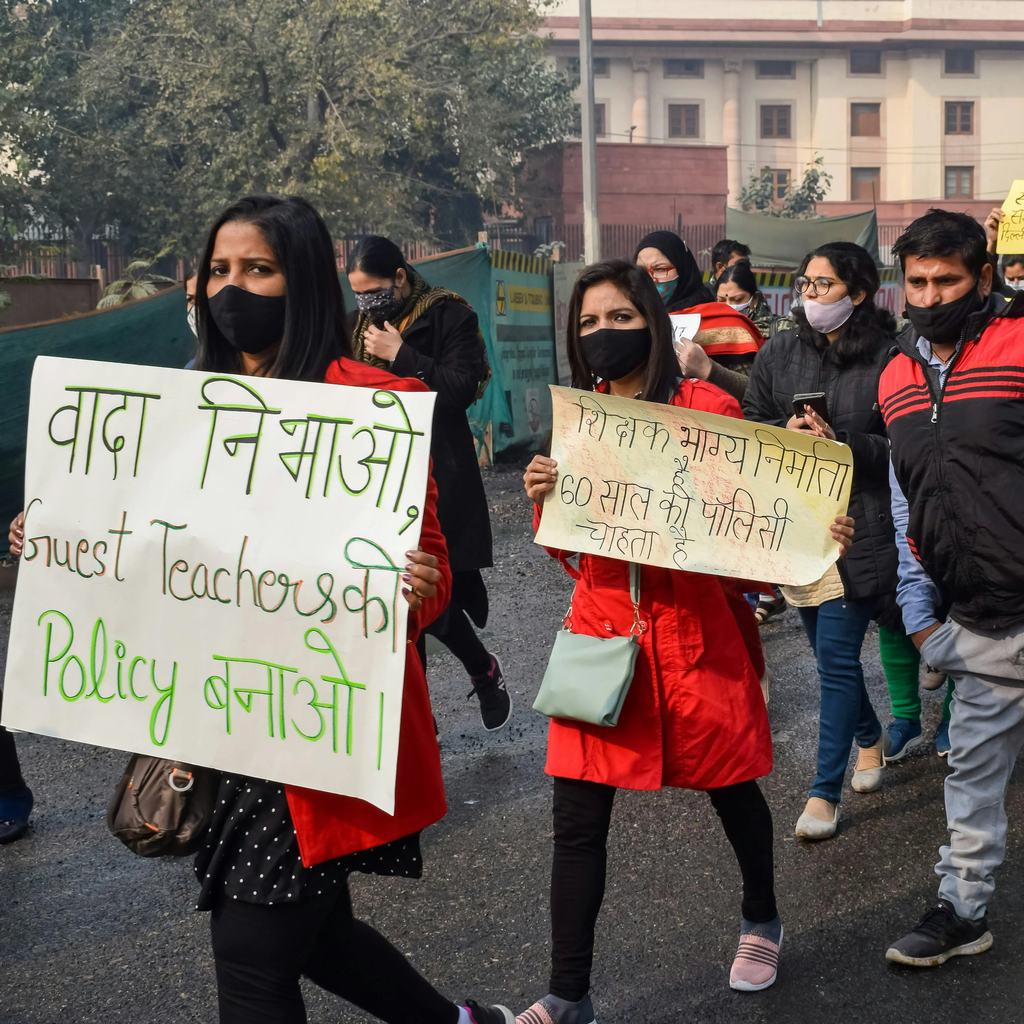
💡 Key Takeaways
- Grasp the goals of education policy reform (quality, accessibility, equity, and effectiveness).
- Identify core reform levers such as curriculum updates, teacher training, funding, and assessment.
- Understand how reforms are designed, implemented, and evaluated within political and governance contexts.
- Consider the challenges, trade-offs, and stakeholder roles involved in education policy reform.
❓ Frequently Asked Questions
What is education policy reform?
The process of changing laws, regulations, and practices to improve the quality, accessibility, and effectiveness of education.
What are common focus areas of education policy reform?
Curriculum updates, teacher training and professional development, funding and resource allocation, assessment and accountability, and equity measures.
Who are the main actors in education policy reform?
Government officials and lawmakers, school leaders, teachers, parents and communities, researchers, and education organizations who design, implement, and evaluate reforms.
How is the impact of education policy reform measured?
By examining student outcomes and access, teacher quality, resource adequacy, and evaluations from pilots and overall reform programs.