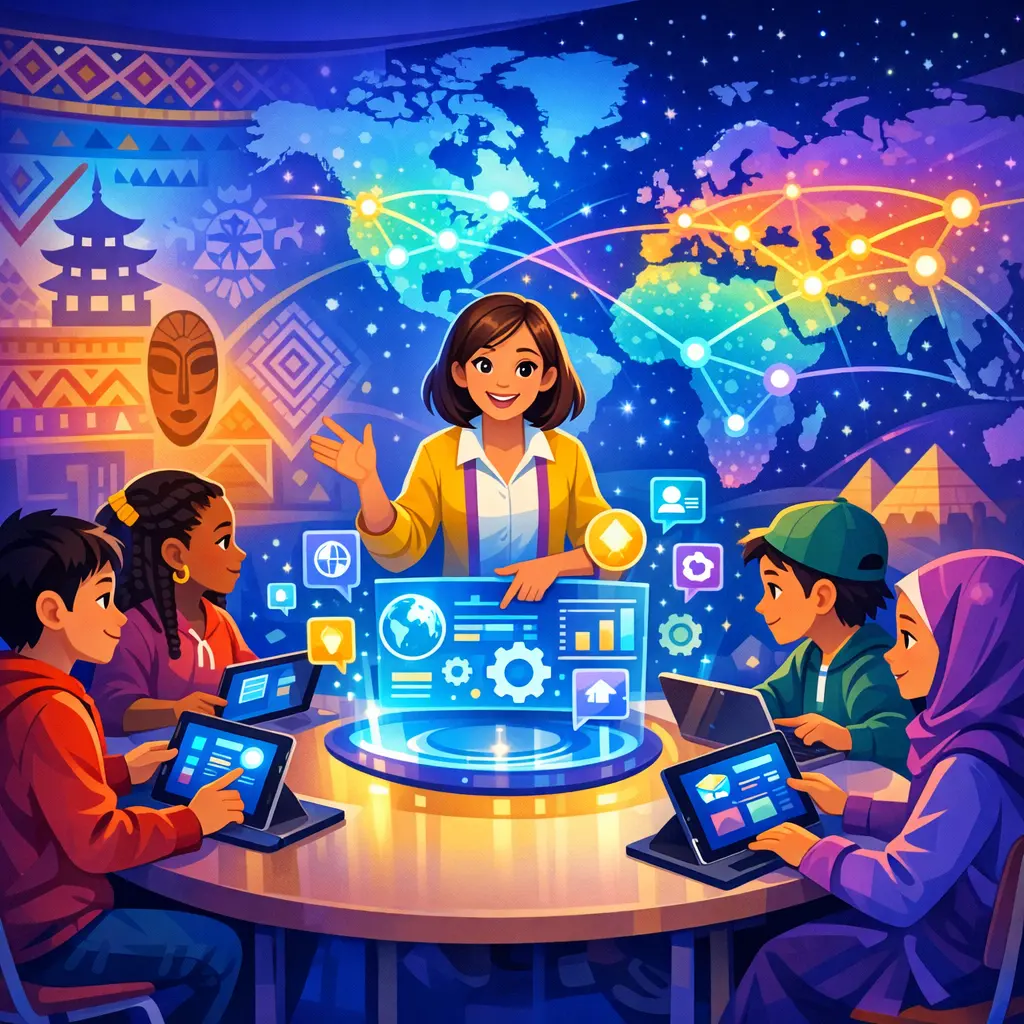
Education technology refers to the use of digital tools and platforms to enhance learning and teaching processes. Its integration often drives cultural change by reshaping how knowledge is accessed and shared. This transformation can impact societal values, religious practices, and traditional norms, sometimes challenging established beliefs or fostering inclusivity. As technology alters educational experiences, it influences the broader relationship between culture, religion, and society, prompting adaptation and dialogue within communities.
Education Technology & Cultural Change
Education technology refers to the use of digital tools and platforms to enhance learning and teaching processes. Its integration often drives cultural change by reshaping how knowledge is accessed and shared. This transformation can impact societal values, religious practices, and traditional norms, sometimes challenging established beliefs or fostering inclusivity. As technology alters educational experiences, it influences the broader relationship between culture, religion, and society, prompting adaptation and dialogue within communities.
💡 Key Takeaways
- How edtech reshapes classroom culture, collaboration, and teacher roles
- How digital tools affect student agency, feedback, and cross-cultural communication
- Challenges and opportunities around equity, privacy, and digital literacy in tech-enabled learning
- Strategies for integrating technology that supports pedagogy and respects diverse cultures
❓ Frequently Asked Questions
What is educational technology (edtech)?
The use of digital tools, software, platforms, and media to enhance teaching, learning, and assessment.
How does edtech influence classroom culture and collaboration?
It enables new ways to communicate, share resources, and co-create content, often promoting more personalized, collaborative learning.
What is the digital divide and why does it matter in edtech?
The gap between those with reliable tech access and those without; it affects equity, opportunities, and learning outcomes.
What is blended learning?
An instructional approach that combines in-person instruction with online learning and digital activities for flexible pacing.
What is learning analytics and how is it used in education technology?
The collection and analysis of learner data to inform instruction, personalize learning, and improve outcomes while safeguarding privacy.