An effective study environment setup involves creating a dedicated, organized, and distraction-free space for learning. Good lighting, comfortable seating, and access to necessary materials enhance focus and productivity. Minimizing noise and digital interruptions helps maintain concentration. Personalizing the area with motivational items or plants can boost morale. Establishing a consistent routine in this environment supports better time management and retention, ultimately leading to more efficient and successful study sessions.
Effective Study Environment Setup+50
An effective study environment setup involves creating a dedicated, organized, and distraction-free space for learning. Good lighting, comfortable seating, and access to necessary materials enhance focus and productivity. Minimizing noise and digital interruptions helps maintain concentration. Personalizing the area with motivational items or plants can boost morale. Establishing a consistent routine in this environment supports better time management and retention, ultimately leading to more efficient and successful study sessions.
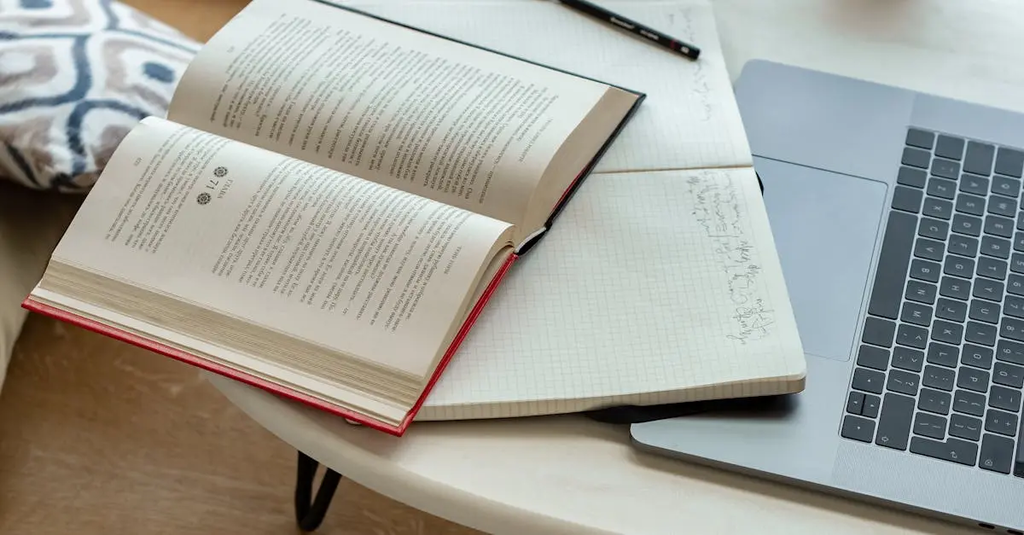
💡 Key Takeaways
- Understand how to create a dedicated study space that minimizes distractions and supports regular study.
- Identify the essential elements of an effective setup, including lighting, seating, and easy access to materials.
- Learn strategies to reduce noise and digital interruptions to maintain focus.
- Apply ergonomic and organizational tips to keep the area tidy, comfortable, and productive.
❓ Frequently Asked Questions
What defines an effective study environment?
A dedicated, organized, distraction-free space with good lighting, comfortable seating, ready access to study materials, and minimal digital interruptions to support concentration.
Why is lighting important for studying?
Adequate lighting reduces eye strain and boosts alertness, helping you maintain focus. Use natural light when possible and supplement with well-placed artificial lighting.
How can you minimize digital interruptions?
Turn off nonessential notifications, use focus modes or app blockers, and keep devices out of immediate reach to protect concentration.
How should you arrange seating and materials for productivity?
Use an ergonomic chair and desk at proper heights, keep essential materials within easy reach, and maintain a tidy workspace to reduce fatigue and distractions.