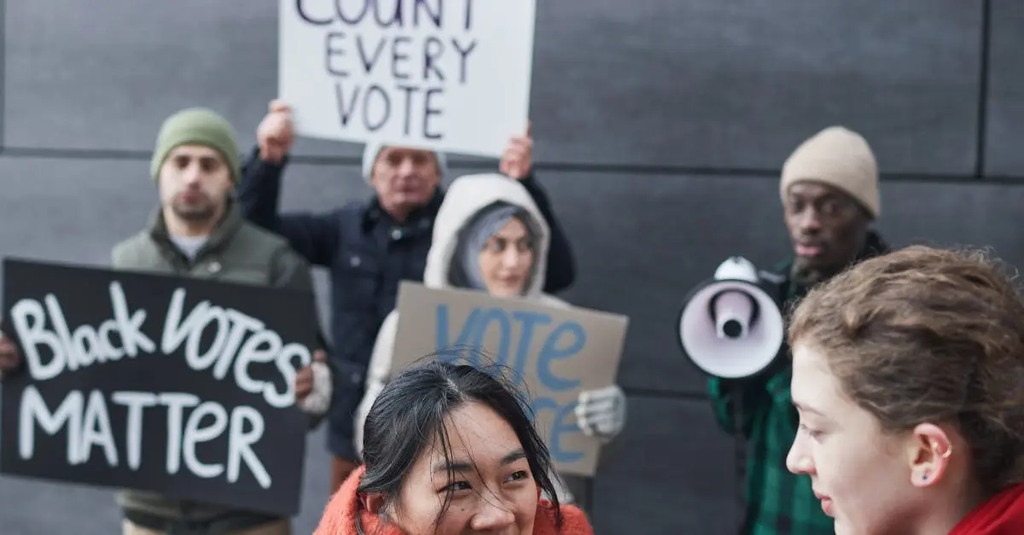
An electoral system is the method by which votes are translated into political power, typically through the election of representatives. There are various types, such as first-past-the-post, proportional representation, and mixed systems. Each system influences how votes are counted, how winners are determined, and the overall political landscape. The choice of electoral system affects party diversity, government stability, and the degree of voter representation within a democracy.
Electoral Systems Overview
An electoral system is the method by which votes are translated into political power, typically through the election of representatives. There are various types, such as first-past-the-post, proportional representation, and mixed systems. Each system influences how votes are counted, how winners are determined, and the overall political landscape. The choice of electoral system affects party diversity, government stability, and the degree of voter representation within a democracy.
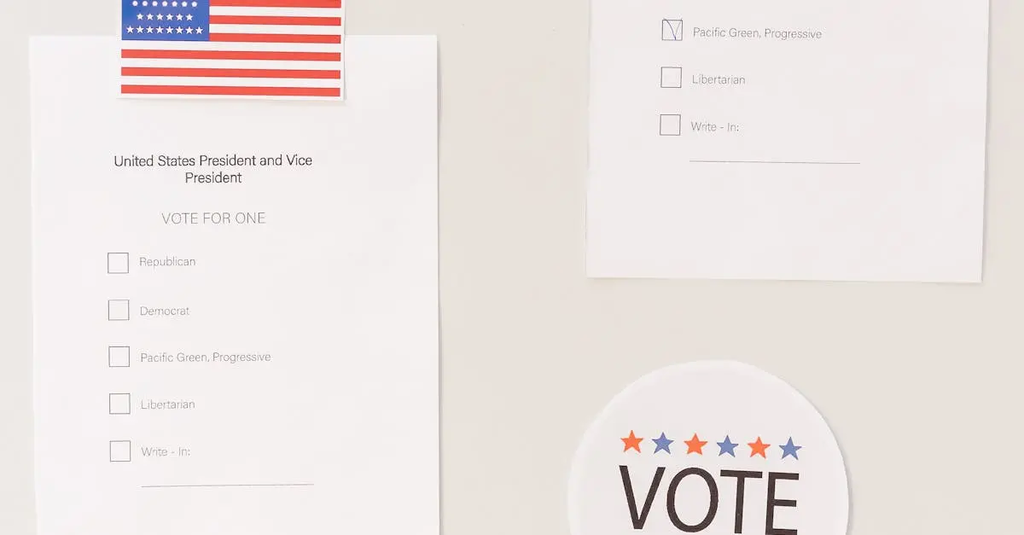
💡 Key Takeaways
- Understand that electoral systems translate votes into political power and shape representation.
- Identify common systems (first-past-the-post, proportional representation, and mixed systems) and how they differ.
- Learn how different systems affect vote counting, seat allocation, and how winners are determined.
- Consider how the choice of electoral system influences representation, party dynamics, and voter behavior.
❓ Frequently Asked Questions
What is an electoral system?
An electoral system is the method by which votes are translated into political power, typically by electing representatives.
What is first-past-the-post (FPTP)?
A plurality system where the candidate with the most votes in a district wins, usually in single-member districts; it can favor larger parties and create disproportional results.
What is proportional representation (PR)?
A system aiming to match seats with each party’s share of the overall vote, often using party lists or regional quotas; it generally improves representation for smaller parties.
What is a mixed electoral system?
A blend of district-based (FPTP) and proportional representation, often with two votes or two components; it seeks local accountability and overall proportionality.
What is a threshold in PR systems?
A minimum vote share a party must achieve to win seats, reducing fragmentation but potentially excluding small parties.