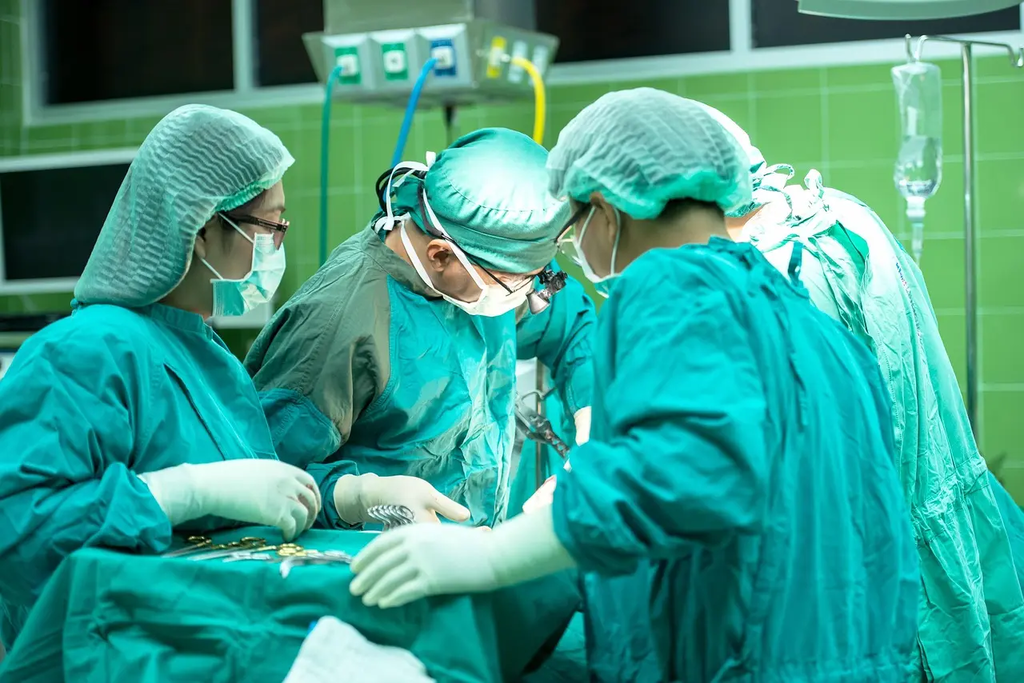
Emergency Medicine Scenarios involve real-life or simulated situations where healthcare professionals must quickly assess, diagnose, and treat patients with urgent medical conditions. These scenarios are essential in training for careers in healthcare and medicine, as they develop critical thinking, teamwork, and rapid decision-making skills. Professionals encounter cases such as trauma, cardiac arrest, or severe allergic reactions, requiring fast, effective responses to save lives and stabilize patients in high-pressure environments.
Emergency Medicine Scenarios+45
Emergency Medicine Scenarios involve real-life or simulated situations where healthcare professionals must quickly assess, diagnose, and treat patients with urgent medical conditions. These scenarios are essential in training for careers in healthcare and medicine, as they develop critical thinking, teamwork, and rapid decision-making skills. Professionals encounter cases such as trauma, cardiac arrest, or severe allergic reactions, requiring fast, effective responses to save lives and stabilize patients in high-pressure environments.
💡 Key Takeaways
- Use the ABCDE framework to perform a rapid primary survey and identify life-threatening emergencies.
- Recognize common emergency presentations (chest pain, shortness of breath, stroke signs, trauma, anaphylaxis) and initiate initial stabilization.
- Implement key stabilization steps: secure airway, support breathing, manage circulation, control bleeding, and monitor the patient.
- Decide on escalation and disposition: order essential tests, involve specialists, and coordinate urgent transfer or admission.
❓ Frequently Asked Questions
What is the purpose of emergency medicine scenario questions in this quiz?
To test recognition of acute conditions, prioritization, and initial decision‑making in time‑critical situations, reflecting real‑world clinical thinking.
What is the ABCDE approach commonly used in emergency assessment?
A rapid primary survey focusing on Airway, Breathing, Circulation, Disability (neurologic status), and Exposure, to identify immediate threats and guide urgent actions.
When should you seek urgent medical help rather than handling a situation at home?
If there is severe chest pain, trouble breathing, fainting, major bleeding, unconsciousness, or signs of stroke or head injury; call emergency services right away.
What are common red flags to watch for in emergency scenarios?
Unresponsiveness, severe chest pain, sudden weakness or confusion, difficulty speaking, severe trauma, blue lips or skin, and any rapidly worsening condition.