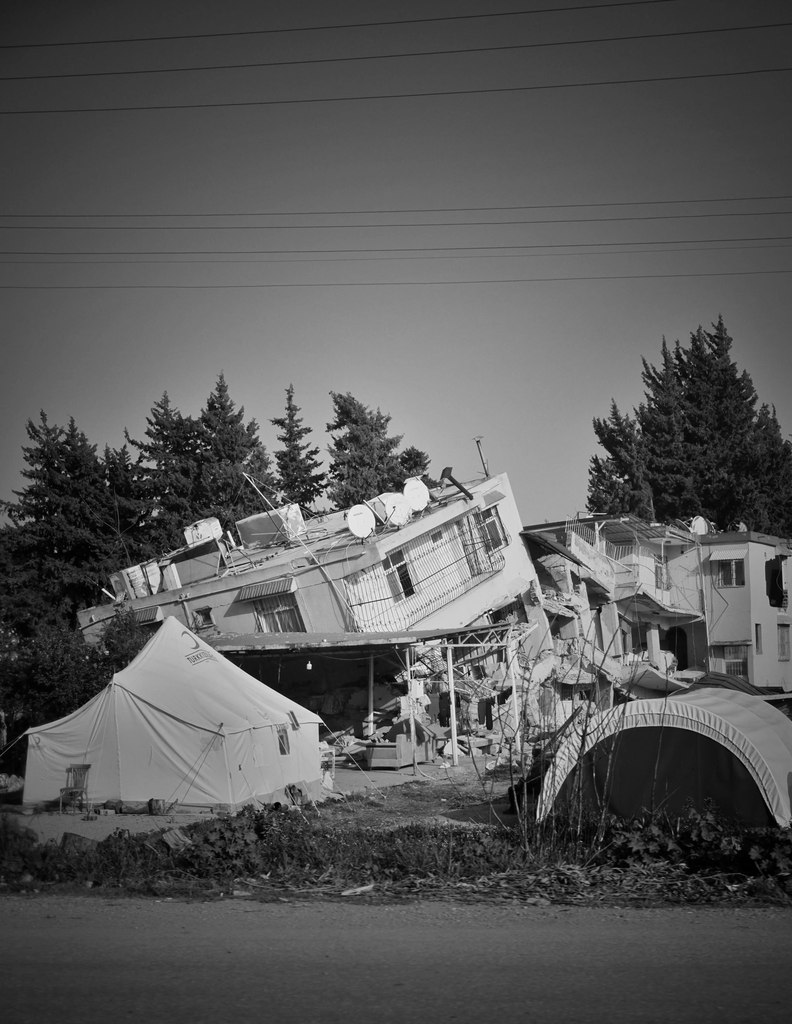
Emergency shelter building refers to the rapid construction or assembly of temporary structures designed to provide immediate protection and refuge for individuals or communities affected by disasters, such as natural calamities or conflicts. These shelters are typically simple, durable, and easy to set up, offering basic necessities like safety, privacy, and protection from the elements until more permanent housing solutions can be arranged.
Emergency Shelter Building
Emergency shelter building refers to the rapid construction or assembly of temporary structures designed to provide immediate protection and refuge for individuals or communities affected by disasters, such as natural calamities or conflicts. These shelters are typically simple, durable, and easy to set up, offering basic necessities like safety, privacy, and protection from the elements until more permanent housing solutions can be arranged.
💡 Key Takeaways
- Identify different emergency shelter types (tents, tarps, debris shelters) and when to use them.
- Learn rapid-assembly techniques and essential tools for quick deployment in challenging environments.
- Understand design principles for durability, weather resistance, and occupant safety in temporary structures.
- Plan site selection, ventilation, and basic maintenance to maximize shelter stability and comfort.
❓ Frequently Asked Questions
What is emergency shelter building?
The rapid construction of temporary structures to provide immediate protection and refuge for people affected by disasters.
What design features help emergency shelters be deployed quickly?
Simple, modular frames; lightweight, durable materials; minimal site preparation; and pre-fabricated components that can be assembled quickly.
Which factors influence the choice of materials for rapid shelters?
Availability, portability, durability, weather resistance, and the number of occupants.
How do emergency shelters address safety and comfort?
They use stable structures, secure fastenings, ventilation, and clear access routes to protect occupants and improve shelter usability.