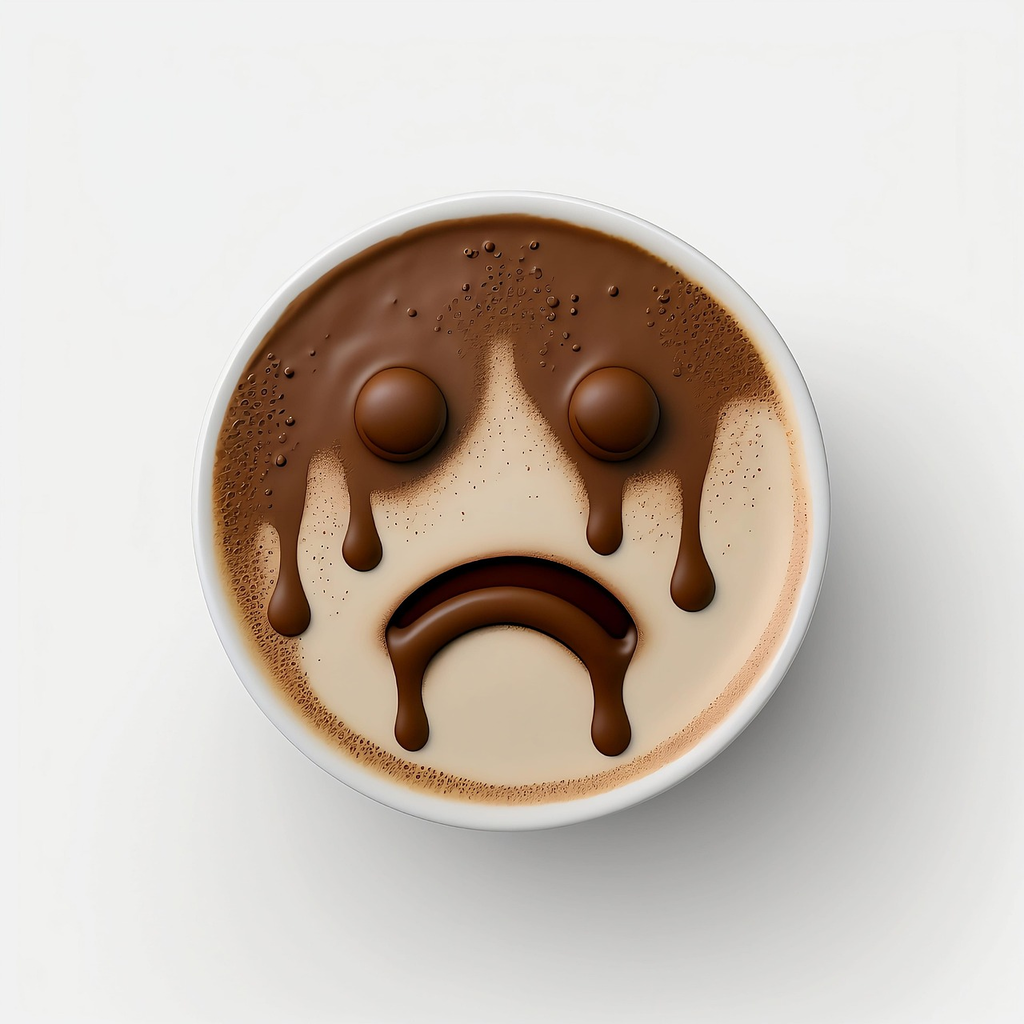
Emojis for disapproval often utilize facial expressions to convey negative emotions such as disappointment, sadness, or dissatisfaction. Common examples include frowning faces, pouting faces, or crying faces, which use downturned mouths, furrowed brows, or tears to visually express disapproval or unhappiness. These emotion emojis allow users to non-verbally communicate their feelings of disapproval, disagreement, or emotional discomfort in digital conversations, enhancing the emotional clarity of their messages.
Emojis for Disapproval
Emojis for disapproval often utilize facial expressions to convey negative emotions such as disappointment, sadness, or dissatisfaction. Common examples include frowning faces, pouting faces, or crying faces, which use downturned mouths, furrowed brows, or tears to visually express disapproval or unhappiness. These emotion emojis allow users to non-verbally communicate their feelings of disapproval, disagreement, or emotional discomfort in digital conversations, enhancing the emotional clarity of their messages.
💡 Key Takeaways
- Identify common emojis used to express disapproval and what they typically convey.
- Understand how context, tone, and platform affect how disapproval emojis are interpreted.
- Learn best practices for using disapproval emojis in professional vs. casual conversations to avoid miscommunication.
- Recognize cultural and regional variations in disapproval emoji meanings and etiquette.
❓ Frequently Asked Questions
What emoji most clearly signals disapproval in chats?
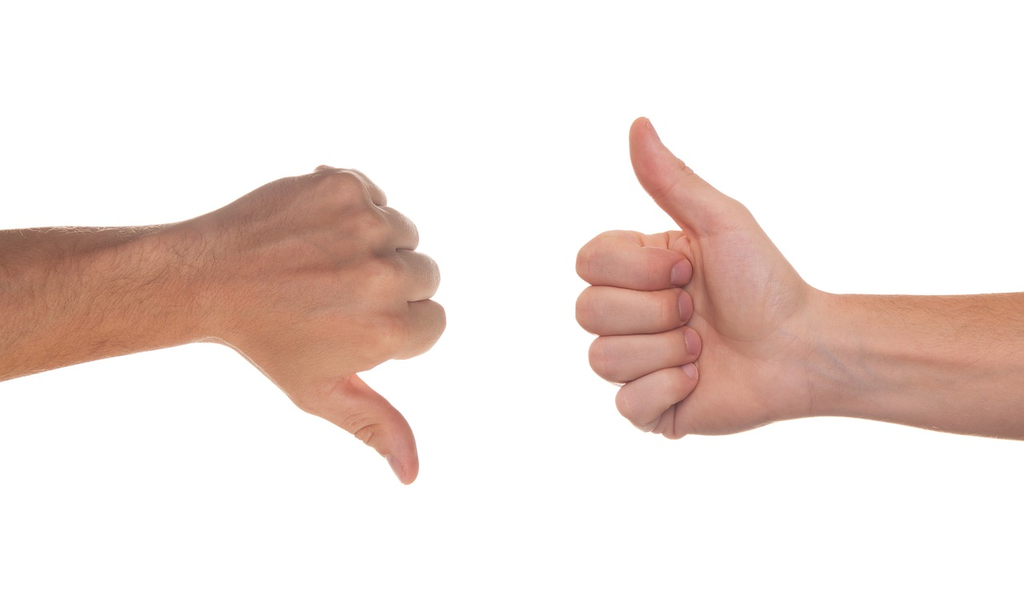
The thumbs down emoji is the clearest sign of disapproval or disagreement; the exact tone can vary with context.
Which emoji can convey skepticism or sarcasm about a statement?
The face with rolling eyes often signals disbelief or annoyance and is commonly used to express sarcasm.
How can the same emoji convey different nuances depending on context?
Meaning depends on who you’re texting, your relationship, and surrounding text—the same emoji can feel friendly or harsh.
Are emoji appearances consistent across devices?
No—designs vary by platform (iOS, Android, web), which can affect how disapproval is perceived, though the core meaning is usually similar.
When should you avoid using disapproval emojis?
In formal or professional contexts or with uncertain recipients; consider adding clarifying text to prevent misinterpretation.