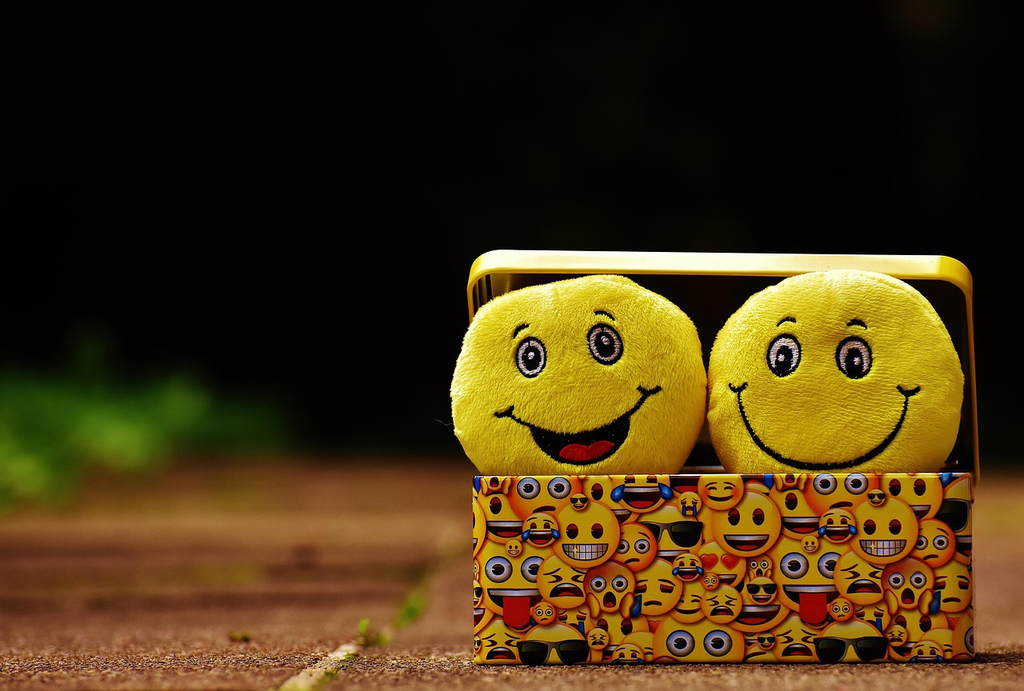
Emojis for Happiness, particularly those depicting smiles and tears, visually express a wide range of joyful emotions in digital communication. Smile emojis convey warmth, friendliness, and genuine happiness, making conversations feel more personal and positive. Emojis with tears, such as the "tears of joy" emoji, highlight moments of extreme delight or laughter. Together, these emotion emojis help users share and amplify their happiness, bridging emotional gaps in online interactions.
Emojis for Happiness
Emojis for Happiness, particularly those depicting smiles and tears, visually express a wide range of joyful emotions in digital communication. Smile emojis convey warmth, friendliness, and genuine happiness, making conversations feel more personal and positive. Emojis with tears, such as the "tears of joy" emoji, highlight moments of extreme delight or laughter. Together, these emotion emojis help users share and amplify their happiness, bridging emotional gaps in online interactions.
💡 Key Takeaways
- Identify key emojis that express happiness and positive vibes.
- Distinguish between similar happy emojis (grinning, beaming, tears of joy) and when to use them.
- Understand how platform differences and cultural context affect happiness emoji interpretation.
- Apply happiness emojis effectively in messages, social media, and emails to convey the right tone.
❓ Frequently Asked Questions
What emoji is most commonly used to express happiness?
The grinning face (😀) is widely used to show happiness; other popular options include the smiling face with smiling eyes (😊) and the grinning face with smiling eyes (😄).
How can you tell apart happiness from excitement in emoji usage?
Happiness often shows with a warm, gentle smile (😊) or a big grin (😄/😀) with calm eyes. Excitement tends to use more open mouths and wider eyes (e.g., 😆 or 😁) and feels more energetic.
Do emoji meanings change across different platforms or devices?
Yes. The same emoji can look different on iOS, Android, or Windows, which can affect how your message is interpreted.
Is it okay to mix text with emojis to convey happiness?
Yes. Pairing a happy emoji with a short message (e.g., 'So glad to hear that! 😄') often makes the tone clearer and friendlier.