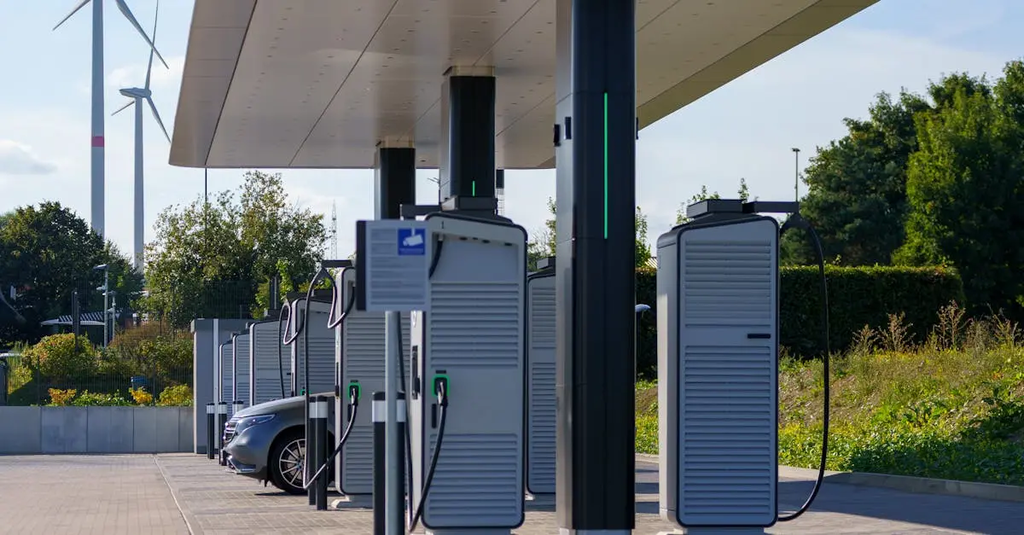
Energy policy and transition refer to the strategies, regulations, and actions governments and organizations implement to shift from traditional energy sources, like fossil fuels, to more sustainable alternatives, such as renewable energy. This process aims to reduce environmental impact, enhance energy security, and support economic growth. It involves technological innovation, infrastructure changes, and policy reforms to achieve cleaner, more efficient, and resilient energy systems for the future.
Energy Policy and Transition
Energy policy and transition refer to the strategies, regulations, and actions governments and organizations implement to shift from traditional energy sources, like fossil fuels, to more sustainable alternatives, such as renewable energy. This process aims to reduce environmental impact, enhance energy security, and support economic growth. It involves technological innovation, infrastructure changes, and policy reforms to achieve cleaner, more efficient, and resilient energy systems for the future.
💡 Key Takeaways
- Identify the main policy tools used to shift from fossil fuels to renewable energy (e.g., carbon pricing, subsidies, mandates) and how they influence investment.
- Explain how energy-transition policies balance environmental goals with energy security, reliability, and economic factors.
- Describe grid integration and reliability challenges that come with higher shares of renewables, and common strategies to address them (storage, demand response, backup capacity).
- Discuss the roles of governments, utilities, and the private sector in designing and implementing energy-transition policies.
❓ Frequently Asked Questions
What is energy policy?
Energy policy is a government's or organization's set of laws, regulations, and programs that shape how energy is produced, distributed, and used, aiming to balance cost, reliability, and environmental goals.
What does the term 'energy transition' mean?
It means shifting from mostly fossil fuels to cleaner energy sources like renewables, improving energy efficiency, and modernizing the grid.
Which policy tools are commonly used to promote renewable energy?
Examples include subsidies or tax incentives, renewable portfolio standards, carbon pricing or emissions trading, and investments in grid and storage technologies.
Why is energy security a key goal of energy policy?
It aims to ensure a reliable, affordable energy supply and reduce exposure to price spikes or supply disruptions by diversifying sources and improving resilience.
What are common challenges in transitioning to renewable energy?
Intermittency, storage and grid integration needs, upfront costs, and political or community opposition.