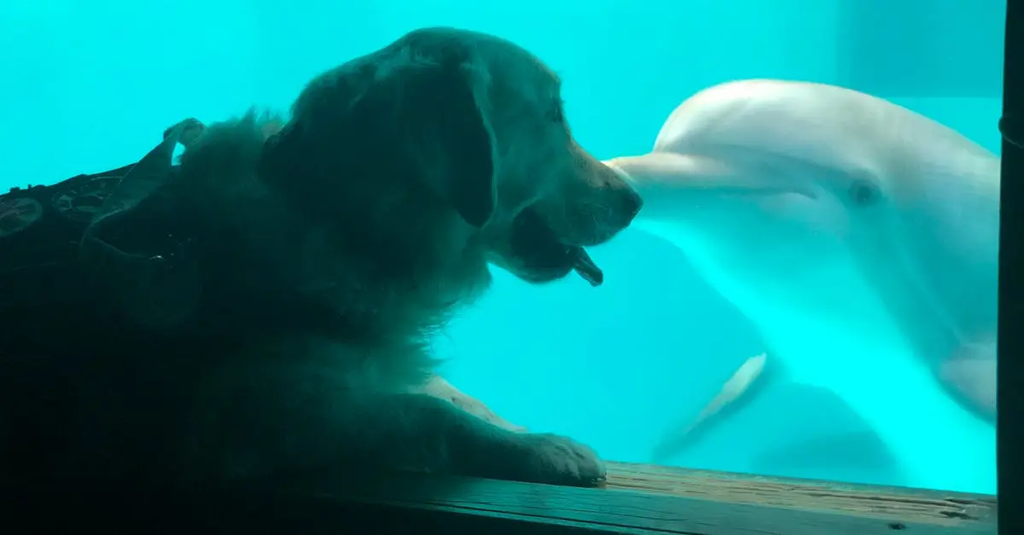
Enrichment design for captive animals involves creating stimulating environments and activities that promote natural behaviors, mental engagement, and physical well-being. This process includes providing objects, puzzles, varied diets, sensory experiences, and social opportunities tailored to each species’ needs. Effective enrichment reduces boredom, stress, and abnormal behaviors, supporting overall health and welfare. The goal is to mimic aspects of animals’ natural habitats, encouraging exploration, problem-solving, and social interaction within captive settings.
Enrichment Design for Captive Animals
Enrichment design for captive animals involves creating stimulating environments and activities that promote natural behaviors, mental engagement, and physical well-being. This process includes providing objects, puzzles, varied diets, sensory experiences, and social opportunities tailored to each species’ needs. Effective enrichment reduces boredom, stress, and abnormal behaviors, supporting overall health and welfare. The goal is to mimic aspects of animals’ natural habitats, encouraging exploration, problem-solving, and social interaction within captive settings.
💡 Key Takeaways
- Explain how enrichment design aims to promote natural behaviors, mental stimulation, and physical well-being in captive animals.
- Identify enrichment types - cognitive puzzles and objects, foraging-oriented diets, sensory experiences, and social opportunities - and how each supports welfare.
- Describe a practical, species- and individual-specific design process: assess needs, select appropriate enrichment, implement gradually, observe responses, and adjust.
- Recognize key welfare indicators to judge enrichment success, such as increased engagement, reduced stereotypic behaviors, and broader behavioral repertoires.
❓ Frequently Asked Questions
What is enrichment design for captive animals?
Enrichment design means creating environments and activities that encourage natural behaviors, mental engagement, and physical health. It includes objects, puzzles, varied diets, sensory experiences, and social opportunities tailored to each animal.
Why is enrichment important for captive animals?
Enrichment reduces stress and boredom, promotes exploration and problem solving, and supports overall welfare by encouraging natural behaviors.
What are common types of enrichment?
Common types include foraging puzzles, manipulable objects, sensory stimuli (smell, texture, sound), social enrichment through compatible groupings, and environmental changes like varied habitats.
How can enrichment be tailored to an individual animal?
Consider the species' natural behaviors, age, health, temperament, and safety. Rotate items and observe responses to adjust the enrichment plan.
How do you evaluate if enrichment is working?
Observe engagement, changes in behavior, and health indicators, and use these observations to refine the enrichment approach.