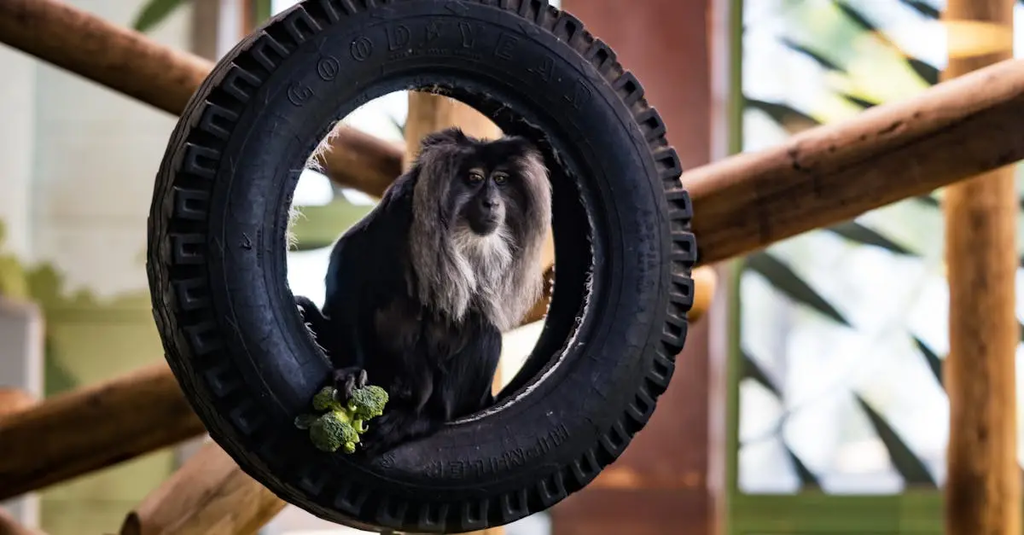
Environmental Enrichment Programs are structured initiatives designed to enhance the physical and psychological well-being of animals, particularly those in captivity such as zoos, laboratories, or shelters. These programs provide stimulating activities, varied environments, and challenges that encourage natural behaviors, reduce stress, and prevent boredom. Enrichment can include objects to manipulate, novel scents, social interactions, or changes in habitat, all aimed at improving overall health and quality of life for animals.
Environmental Enrichment Programs
Environmental Enrichment Programs are structured initiatives designed to enhance the physical and psychological well-being of animals, particularly those in captivity such as zoos, laboratories, or shelters. These programs provide stimulating activities, varied environments, and challenges that encourage natural behaviors, reduce stress, and prevent boredom. Enrichment can include objects to manipulate, novel scents, social interactions, or changes in habitat, all aimed at improving overall health and quality of life for animals.
💡 Key Takeaways
- Explain the purpose of environmental enrichment and its impact on animal welfare
- Identify different enrichment types (sensory, cognitive, physical, social) and suitable examples
- Describe how to design and implement species- and individual-specific enrichment programs
- Discuss methods to assess effectiveness and adjust enrichment based on observations and welfare indicators
- Recognize common challenges and safety considerations when running enrichment programs in zoos, shelters, and labs
❓ Frequently Asked Questions
What is environmental enrichment in pets and animals?
Environmental enrichment includes activities, objects, and changes to an animal's environment that stimulate physical and mental activity, encouraging natural behaviors and improving welfare in captivity.
Why are enrichment programs important?
They reduce boredom and stress, prevent problem behaviors, increase activity, and support both physical health and psychological well-being.
What are common types of enrichment?
Cognitive (puzzles and problem-solving), physical (new structures to explore), social (safe interactions with handlers or conspecifics), and sensory (novel smells, textures).
How are enrichment programs typically implemented?
Staff assess species needs, set goals, rotate activities, monitor animal responses, and adjust the program to ensure safety and measurable welfare improvements.