Environmental stressors are external factors such as noise, temperature extremes, poor lighting, or overcrowding that can negatively impact an individual’s physical or psychological well-being. These stressors can impair concentration, decision-making, and overall productivity, leading to reduced performance in various tasks. Prolonged exposure may also increase fatigue and errors. Managing environmental stressors is crucial for maintaining optimal performance and ensuring a healthy, effective work or learning environment.
Environmental Stressors & Performance
Environmental stressors are external factors such as noise, temperature extremes, poor lighting, or overcrowding that can negatively impact an individual’s physical or psychological well-being. These stressors can impair concentration, decision-making, and overall productivity, leading to reduced performance in various tasks. Prolonged exposure may also increase fatigue and errors. Managing environmental stressors is crucial for maintaining optimal performance and ensuring a healthy, effective work or learning environment.
💡 Key Takeaways
- Identify common environmental stressors in sports settings (noise, extreme temperatures, poor lighting, overcrowding) and their sources.
- Explain how these stressors can impair concentration, decision‑making, reaction time, and overall performance.
- Describe practical strategies to mitigate environmental stressors (lighting and ventilation improvements, temperature acclimation, pacing, hydration, scheduling, crowd management).
- Understand how to assess environmental impact on performance and apply findings to training and competition design to build resilience.
❓ Frequently Asked Questions
What are environmental stressors in fitness and sports?
External factors like noise, temperature extremes, poor lighting, and overcrowding that can negatively affect physical and psychological well-being and lower performance.
How can temperature extremes influence performance?
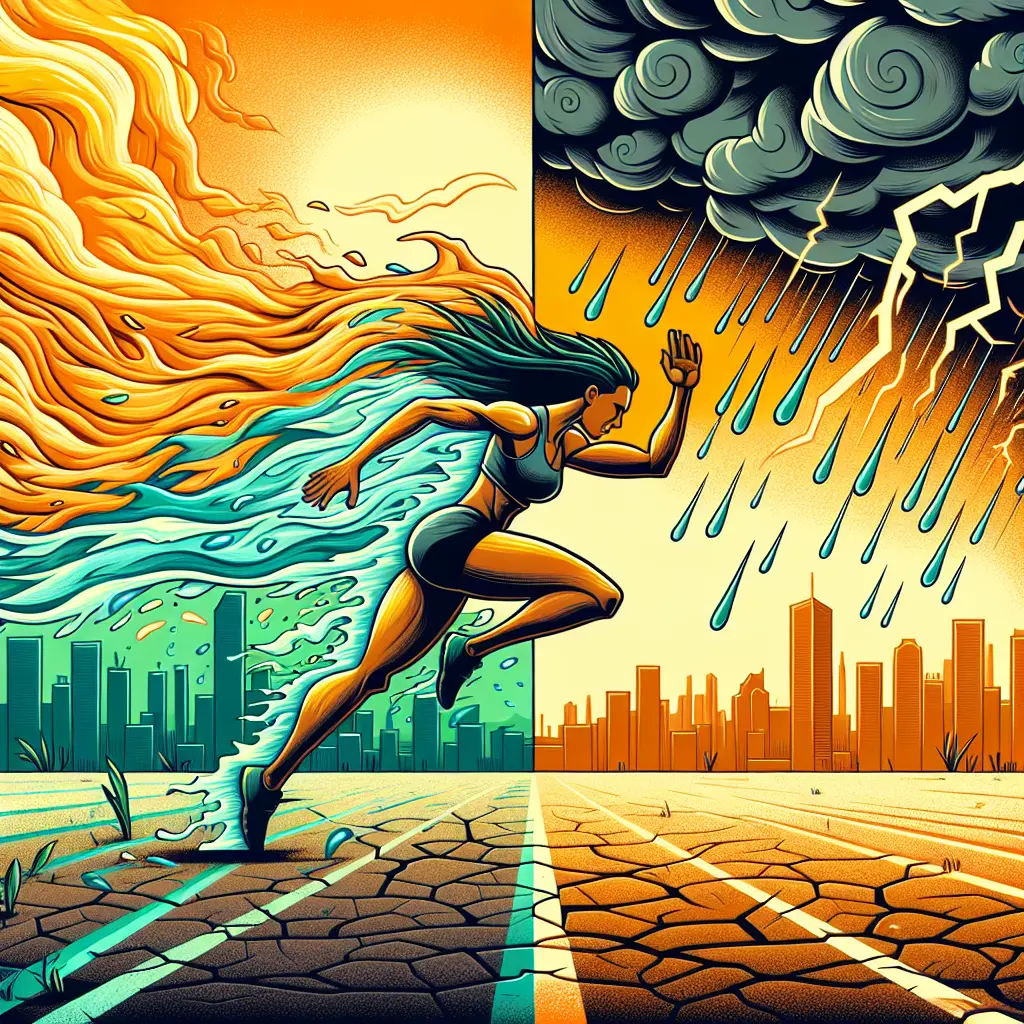
Extreme heat or cold can disrupt body temperature regulation, increase fatigue, slow reaction time, and impair decision making. Mitigation includes acclimation, hydration, and appropriate clothing.
Why is lighting important in training and competition?
Adequate lighting improves visibility, reaction speed, balance, and safety; poor lighting can raise errors and injury risk.
How do environmental stressors affect concentration and decision making?
They consume attentional resources and raise perceived effort, reducing focus and quick, accurate decisions. Routines and pre-performance cues help counter this.
What strategies can athletes use to minimize the impact of environmental stressors?
Plan ahead with acclimation and scheduling, optimize the environment (temperature, lighting, noise), stay hydrated and fueled, and use mental skills and routines to stay focused.