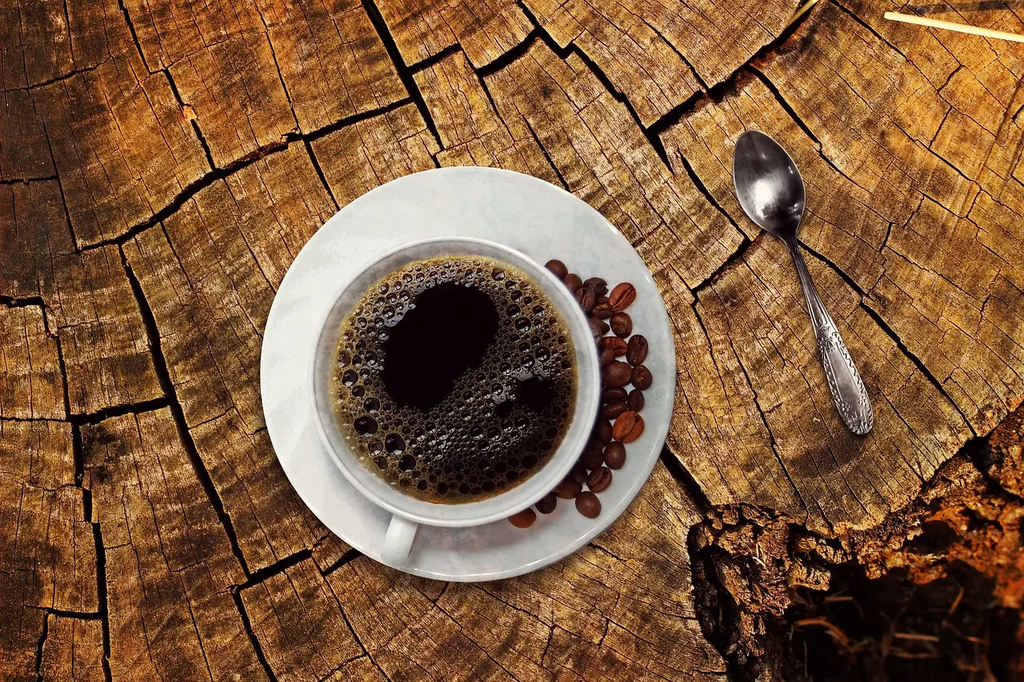
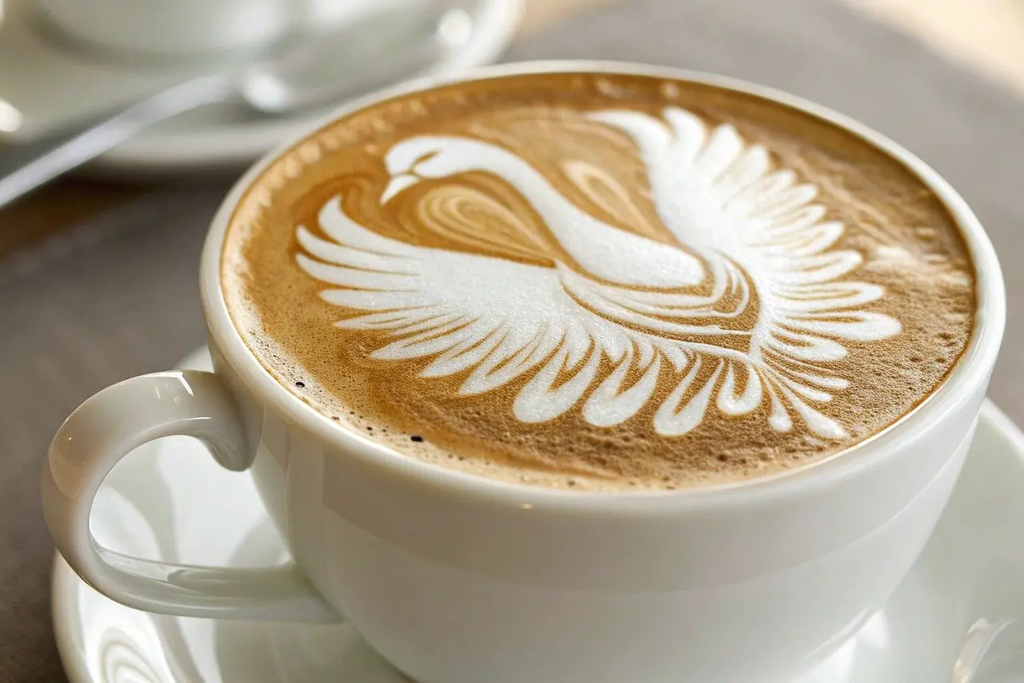
Espresso and drip coffee represent distinct brewing methods central to coffee and caffeine culture. Espresso uses high pressure to force hot water through finely ground coffee, yielding a concentrated, bold shot with rich crema. Drip coffee, meanwhile, slowly pours hot water over coarser grounds, producing a milder, larger cup. Espresso is favored for its intensity and quick preparation, while drip coffee is appreciated for its subtle flavors and leisurely consumption. Both methods reflect diverse preferences and rituals.
Espresso vs. Drip Coffee
Espresso and drip coffee represent distinct brewing methods central to coffee and caffeine culture. Espresso uses high pressure to force hot water through finely ground coffee, yielding a concentrated, bold shot with rich crema. Drip coffee, meanwhile, slowly pours hot water over coarser grounds, producing a milder, larger cup. Espresso is favored for its intensity and quick preparation, while drip coffee is appreciated for its subtle flavors and leisurely consumption. Both methods reflect diverse preferences and rituals.
💡 Key Takeaways
- Distinguish espresso and drip coffee by brewing method, equipment, and the resulting flavor and body.
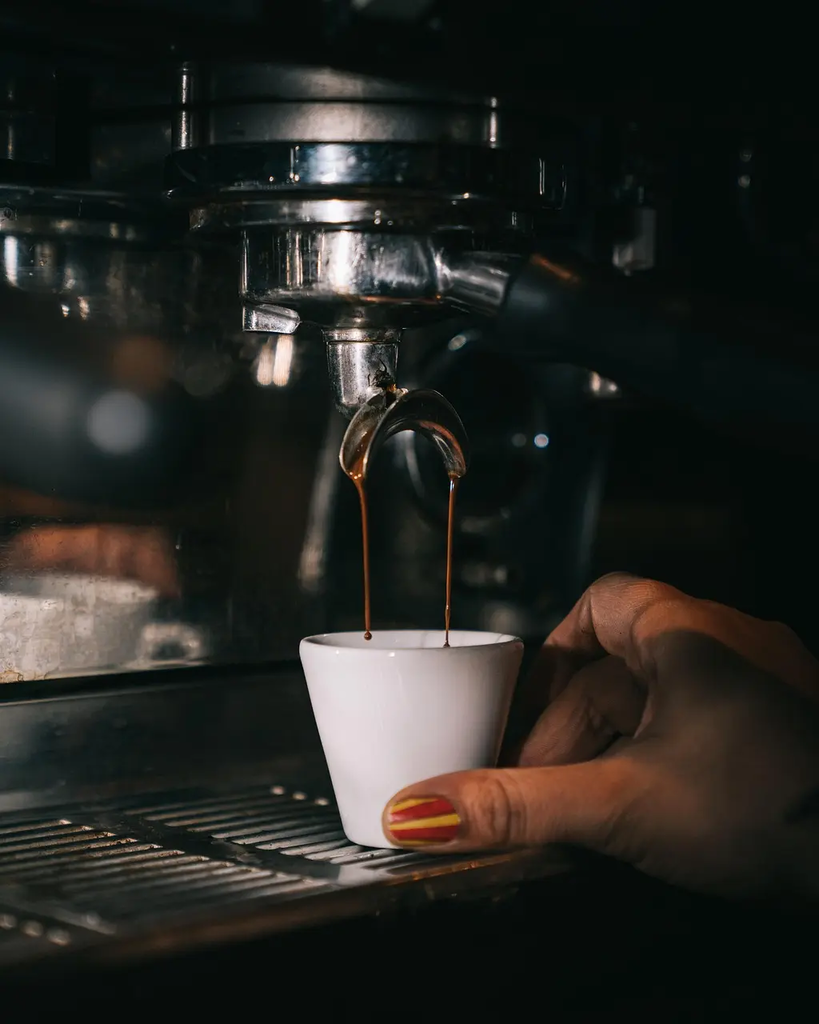
- Compare grind size, water temperature, and brew time: espresso uses a fine grind, high pressure, and short brew; drip uses a coarser grind, moderate temperature, and longer brew.
- Explain how pressure yields crema and concentrated extraction in espresso, versus gravity-driven extraction and a cleaner cup in drip.
- Identify typical serving sizes and scenarios where each method shines (quick, strong shot vs. larger, balanced cup).
- Note caffeine content varies with serving size; espresso is concentrated per ounce, while a drip cup can deliver more caffeine overall.
❓ Frequently Asked Questions
What is the main difference between espresso and drip coffee?
Espresso is brewed under high pressure to yield a small, concentrated shot; drip coffee uses gravity to pull hot water through a medium-coarse grind for a larger cup.
How do grind size and brew time differ for espresso vs drip coffee?
Espresso uses a fine grind and ~25–30 seconds of extraction; drip uses a medium-coarse grind and several minutes for extraction.
How does caffeine content compare between the two?
Espresso is more concentrated per ounce, but a typical cup of drip coffee contains more total caffeine due to the larger serving size; amounts vary by beans and brew.
What is crema and why is it associated with espresso?
Crema is a golden, creamy layer on top of an espresso shot, formed by emulsified oils and CO2 under pressure, signaling a fresh, well-extracted shot.